


How to Treat Cystic Acne? Can It Heal on Its Own? Will It Leave Pitted Scars?
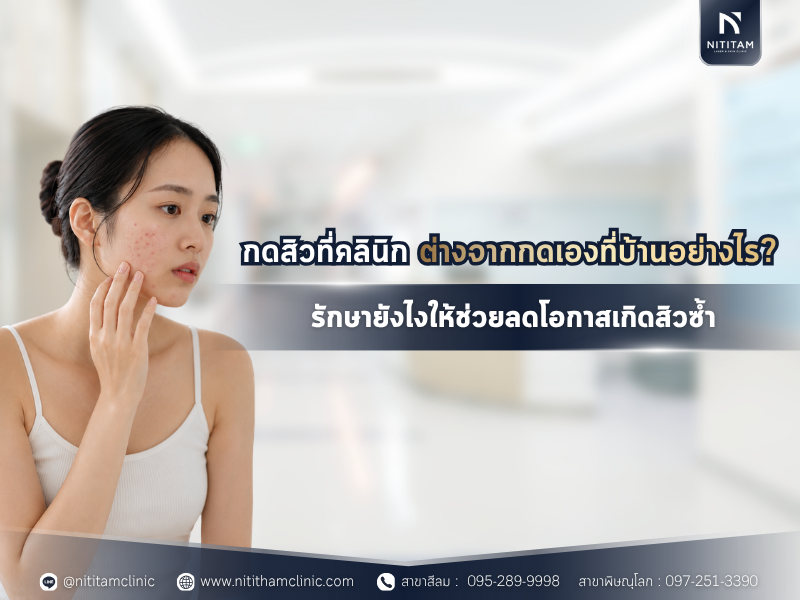
Large, red, raised bumps that are painful to the touch, lack a visible head, and are rooted deep beneath the skin—sometimes throbbing without even being touched. These are the characteristics of cystic acne that many people experience and are unsure how to manage. Should you wait for it to heal naturally, or seek immediate treatment? And once it heals, will it leave any marks? This article covers all the essential answers you need to know.
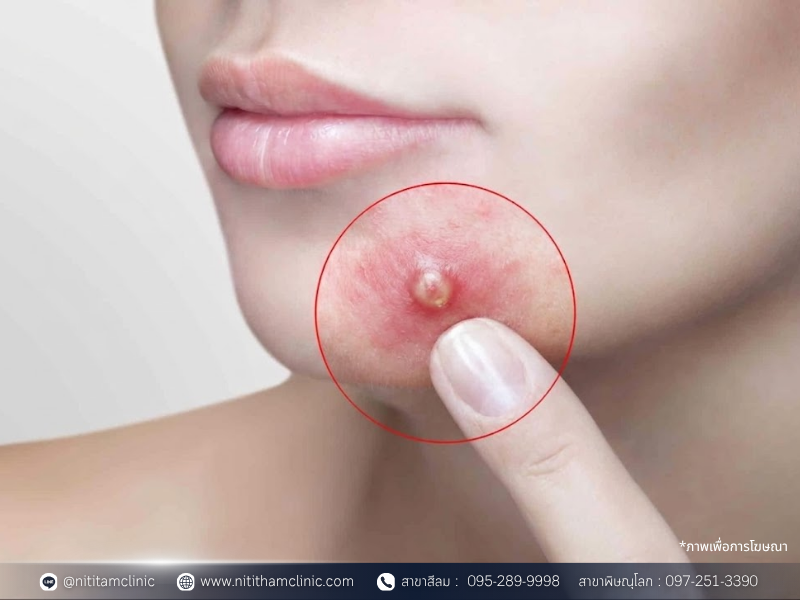
What is cystic acne? How does it differ from common acne?
Cystic acne (Nodulocystic Acne or Severe Nodular Acne) is a large inflammatory acne caused by a C. acnes bacterial infection deep within the dermis layer, which is deeper than common inflammatory acne that occurs only on the outer skin layer.
With such deep inflammation, the body sends white blood cells to fight the infection, causing the area to become swollen and raised, with blood and pus accumulating inside. In some cases, it develops into a pseudocyst, making the acne lump even larger and more painful.
Characteristics of cystic acne
- Larger than 5 mm and visibly raised.
- No visible head, or multiple small heads in a single bump.
- Painful or tender to the touch, and sometimes painful even without contact.
- The skin around the acne is red and feels warmer than the surrounding area.
- Persists for several weeks without resolving on its own.
Common areas
Cheeks, chin, jawline, and neck; in some cases, it may also appear on the back and chest.
Causes of cystic acne
Cystic acne is not caused by a single factor, but rather a combination of several factors, including:
Internal factors
- High androgen levels stimulate sebaceous glands to produce excess oil.
- Genetics: Having a family history of severe acne increases the likelihood of developing it.
- Accumulated stress increases cortisol levels, which stimulate the sebaceous glands.
External factors
- Pore-clogging skincare products
- Picking or squeezing acne, causing bacteria to spread deeper into the skin
- Foods that trigger inflammation, such as sugar, cow’s milk, and refined flour
Can cystic acne go away on its own?
This is one of the most frequently asked questions, and the answer is: Yes, but it takes a long time and often leaves scars.
Untreated cystic acne may take 4-8 weeks or longer to subside. Since the inflammation is deep within the dermis, the body requires time to repair the damaged tissue.
The Risks of Letting It Heal on Its Own
The longer cystic acne remains inflamed, the more it damages tissues in the deeper skin layers, increasing the risk of permanent acne scars. Additionally, untreated acne can spread and connect beneath the skin, causing the inflamed area to expand.
Will It Leave an Acne Scar After Healing?
The straightforward answer is There is a high chance especially if appropriate treatment is not received early on.
When severe cystic acne causes deep inflammation in the dermis, skin cells and collagen fibers in the area are destroyed. As the acne subsides, the damaged tissue cannot fully recover, resulting in depressions known as pitted acne scars, along with red and dark spots. In some cases where the skin produces excessive collagen, it may cause raised scars (keloids).
Factors that increase the risk of acne scars
- Picking or popping acne yourself
- Leaving inflamed acne untreated for a long time
- Recurring breakouts in the same area
- Genetics associated with slow skin recovery
What you should never do when you have cystic acne
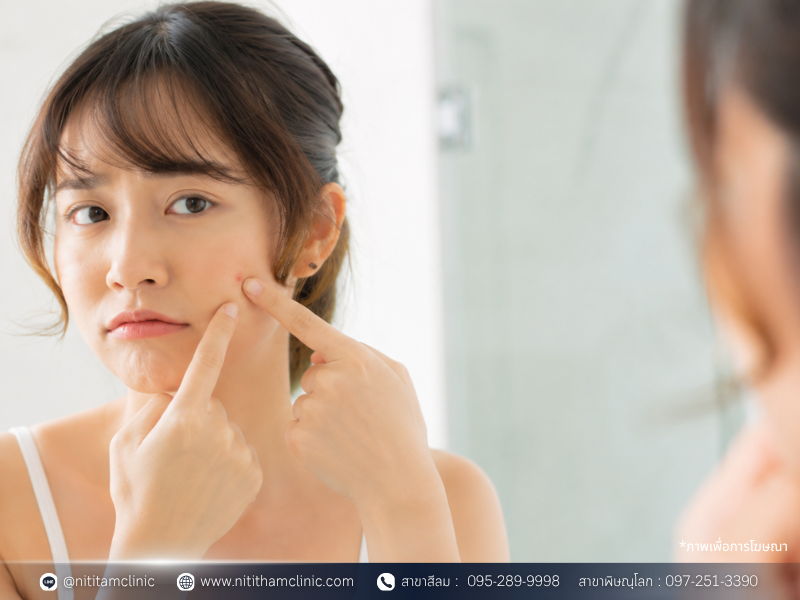
- Squeezing or picking at the acne yourself
Because cystic acne lacks a visible head, squeezing will not help the pimple subside. Instead, it pushes bacteria deeper into the skin layers, increasing the risk of permanent acne pits and scarring. - Applying excessive amounts of acne spot treatment
Certain concentrated acne spot treatments may further irritate already inflamed skin. It is recommended to consult a doctor before use. - Leaving it untreated for too long without consulting a doctor
The longer cystic acne remains inflamed, the more the underlying skin tissue is damaged, reducing the chances of a complete recovery.
When to see a doctor
- Large, painful acne bumps that do not subside within 1-2 weeks
- Multiple acne breakouts appearing simultaneously in the same area
- A history of cystic acne that has left pitted scars
- Frequent recurrent acne in the same spots
- Noticeable accumulation of red or dark spots from past acne
How does Nititham Clinic treat cystic acne?
Nititham Clinic offers services at both the Phitsanulok and Bangkok (Silom) branches. Treatments are overseen by Dr. Nititham Rattakasikorn (Medical License No. 37602), who has over 10 years of experience in dermatology and laser treatments.
Every case begins with an assessment of the skin condition, acne severity, and individual factors before creating a personalized treatment plan. We use lasers and medical products approved by the Thai FDA, focusing on natural-looking results and minimizing the risk of long-term acne scars. *Results may vary from person to person.
Frequently Asked Questions About Nodulocystic Acne
Are nodulocystic acne and cystic acne different?
Nodulocystic acne encompasses both nodules and cysts. While some sources use the terms interchangeably, cystic acne typically refers to blemishes with a distinct pus-filled sac, whereas nodules may lack pus but are hard and highly painful.
How is acne injection different from laser treatment?
Corticosteroid acne injections help reduce localized inflammation quickly, making them suitable for severely inflamed acne. Meanwhile, laser treatments can address both active acne and acne scars after the acne has subsided. The doctor will determine the most appropriate method for your acne condition at each stage.
Will acne scars go away after treating cystic acne?
Once formed, acne scars cannot resolve naturally on their own. However, they can be treated to appear shallower and make the skin smoother with an appropriate acne scar treatment program. Results depend on the depth of the scars and individual skin conditions.
Leaving cystic acne to resolve on its own can lead to long-lasting facial scars. Seeing a doctor for an early treatment plan is an effective approach to help reduce the risk of permanent acne scarring. *Results may vary by individual. Book an appointment or contact us for more information at:
📍 Nititham Clinic, Phitsanulok Branch
- Tel: 097-251-3390
- LINE: https://lin.ee/mxQAzch
📍 Nititham Clinic, Bangkok Branch (Silom)
- Tel: 095-289-9998
- LINE: https://lin.ee/kUu8NAt
Follow us for news and promotions:
- Facebook: Nititham Clinic