กรุงเทพ & พิษณุโลก นิติธรรมคลินิก
A targeted hair restoration program for naturally stronger and thicker hair. Get a hair assessment at any branch of Nititham Clinic, or for more details, call 097-251-3390 (Hotline).
Table of Contents
ToggleHair Loss and Thinning Hair Problems These are common problems found in both men and women. It is not just an aesthetic issue, but it also affects daily confidence and overall quality of life. Many people begin to notice changes when their hair thins to the point where the scalp becomes clearly visible, or when experiencing unusual hair loss while washing or combing.
at Nititham Clinic We emphasize a thorough diagnosis to identify the root cause of hair loss, as each type requires a specific treatment approach. Receiving the right treatment in the early stages can help slow down hair loss and improve the chances of effective hair restoration.
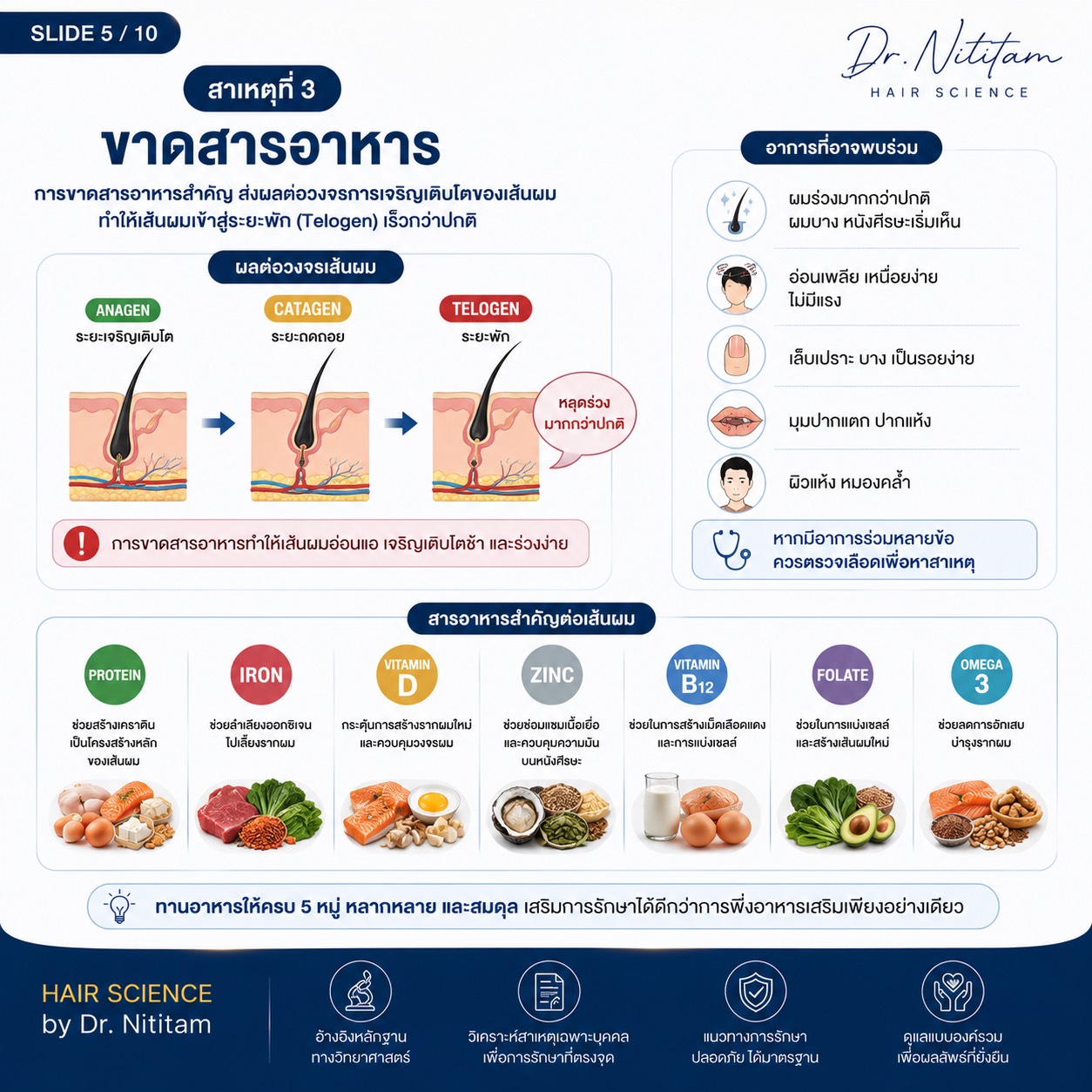
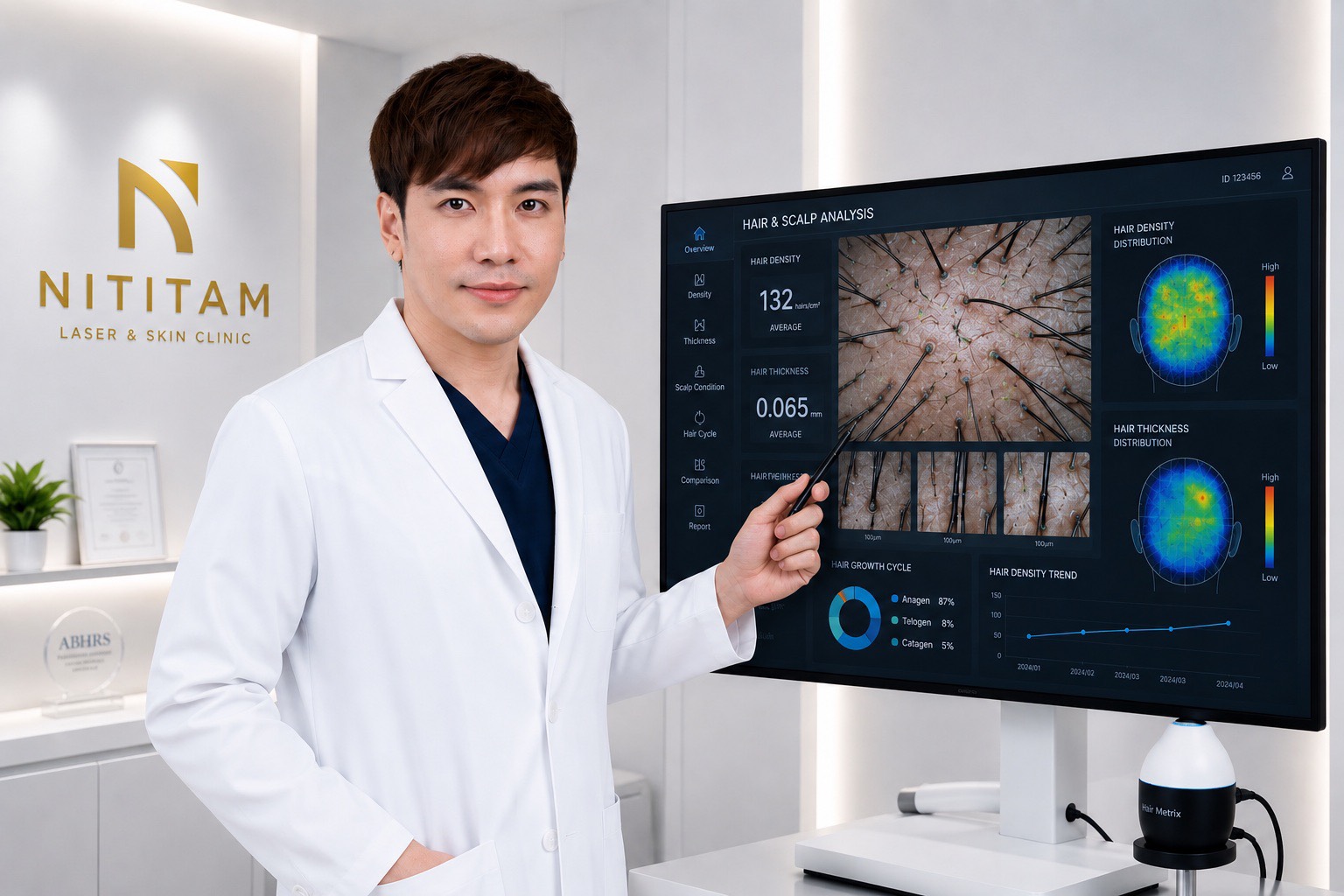
Each hair strand has its own life cycle, which is divided into 3 main phases.
This is the phase of continuous hair growth, lasting approximately 2-7 years. Most of the hair on the scalp is in this phase.
This is a short phase of about 2-3 weeks where the hair root stops producing new cells and begins to shrink.
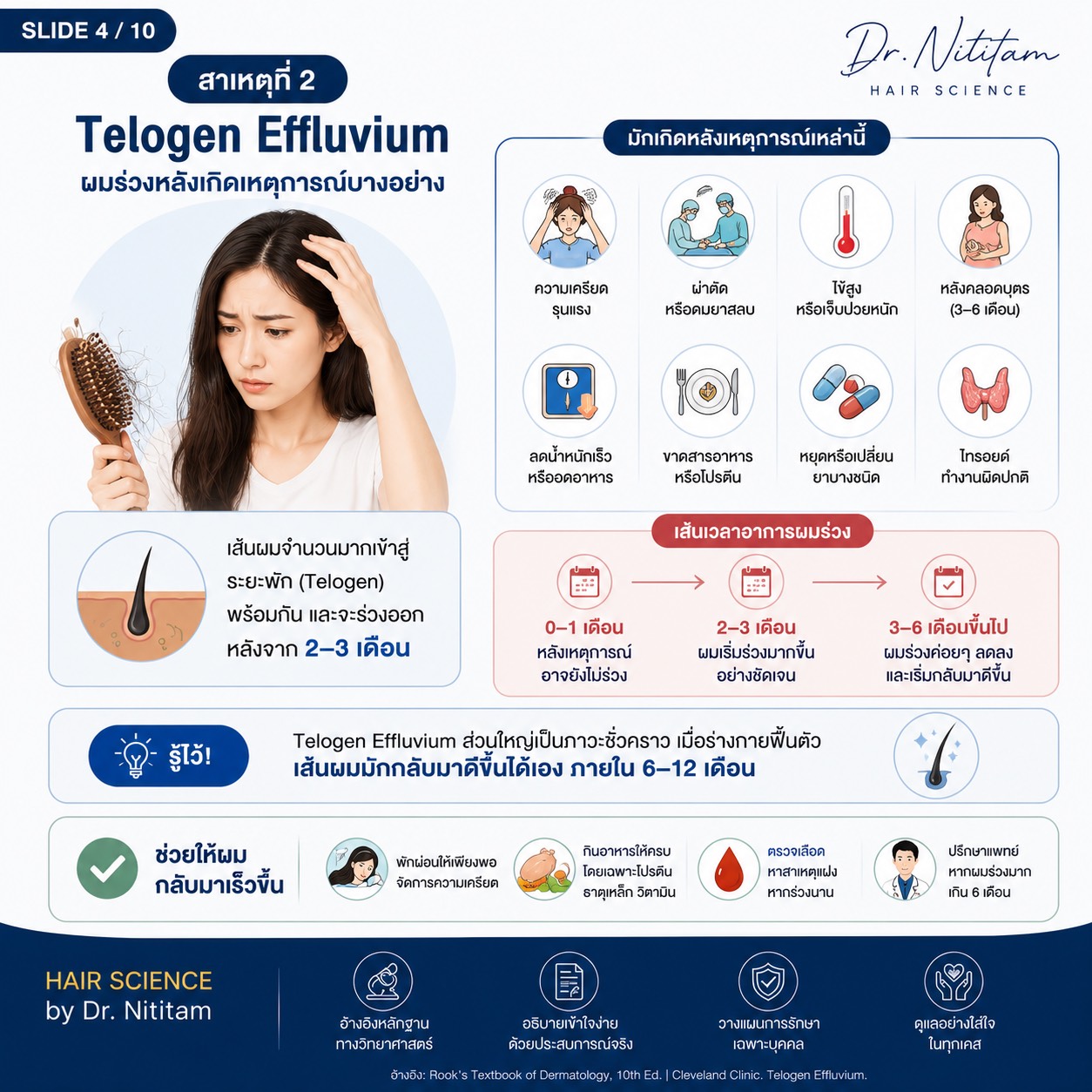
This is the phase where hair stops growing and prepares to shed. It takes about 2-3 months before new hair begins to grow in its place.
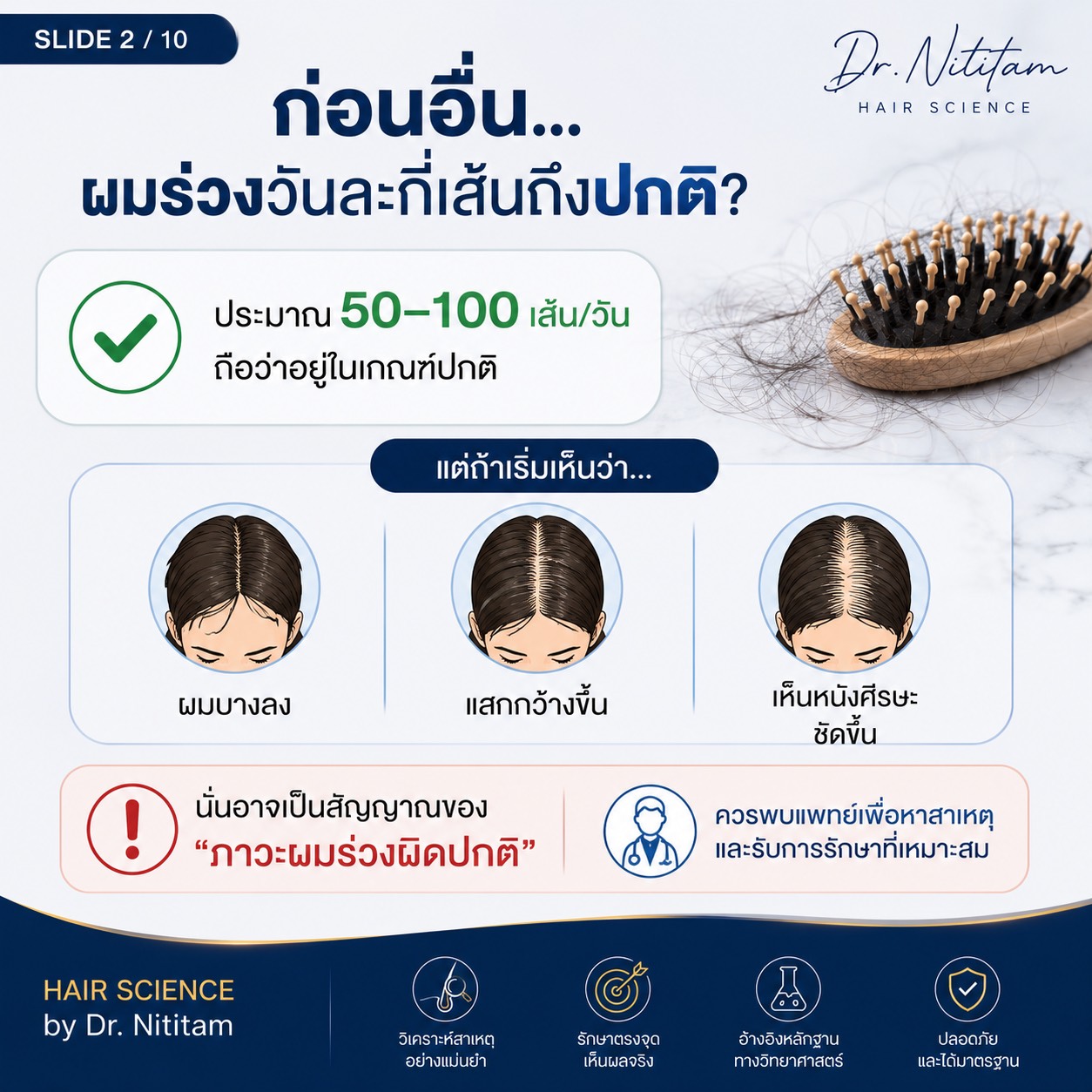
Generally, it is normal to lose about 50-100 hairs a day as part of the natural hair cycle. However, when certain factors disrupt this cycle, causing hair to enter the resting phase prematurely or hair follicles to shrink, noticeable hair loss and thinning occur.
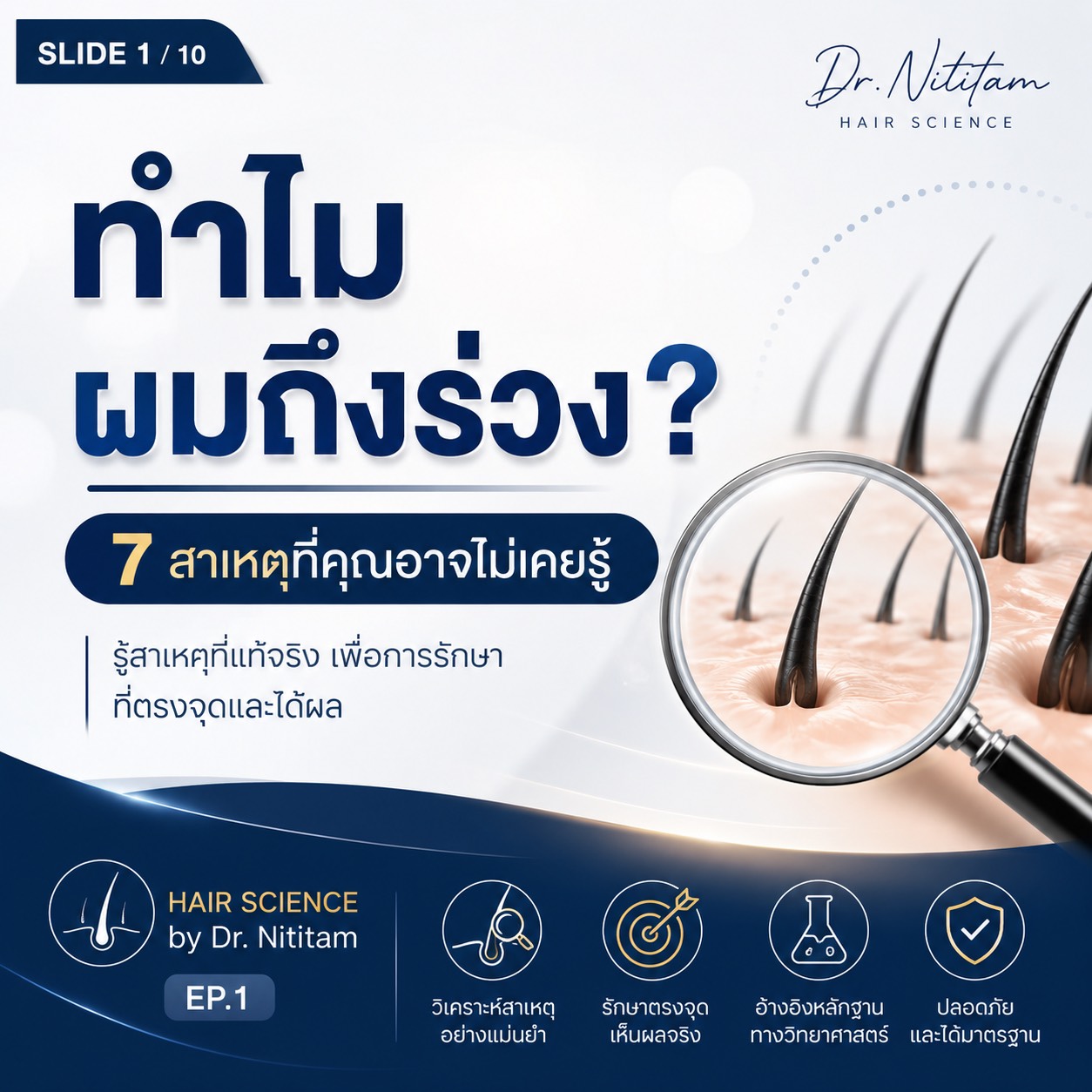
Hair loss can be caused by a combination of factors. Understanding the root cause is the key to targeted treatment.
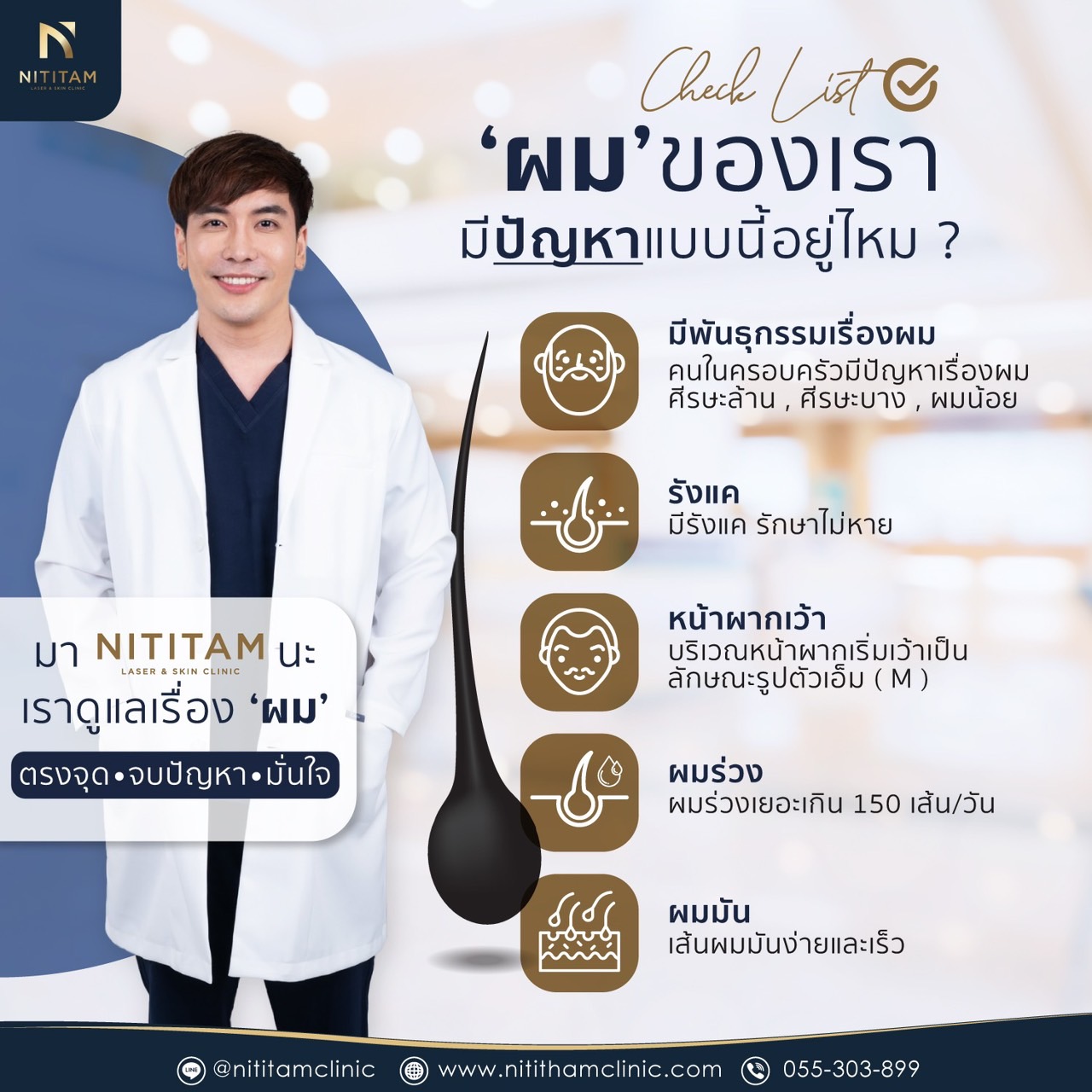
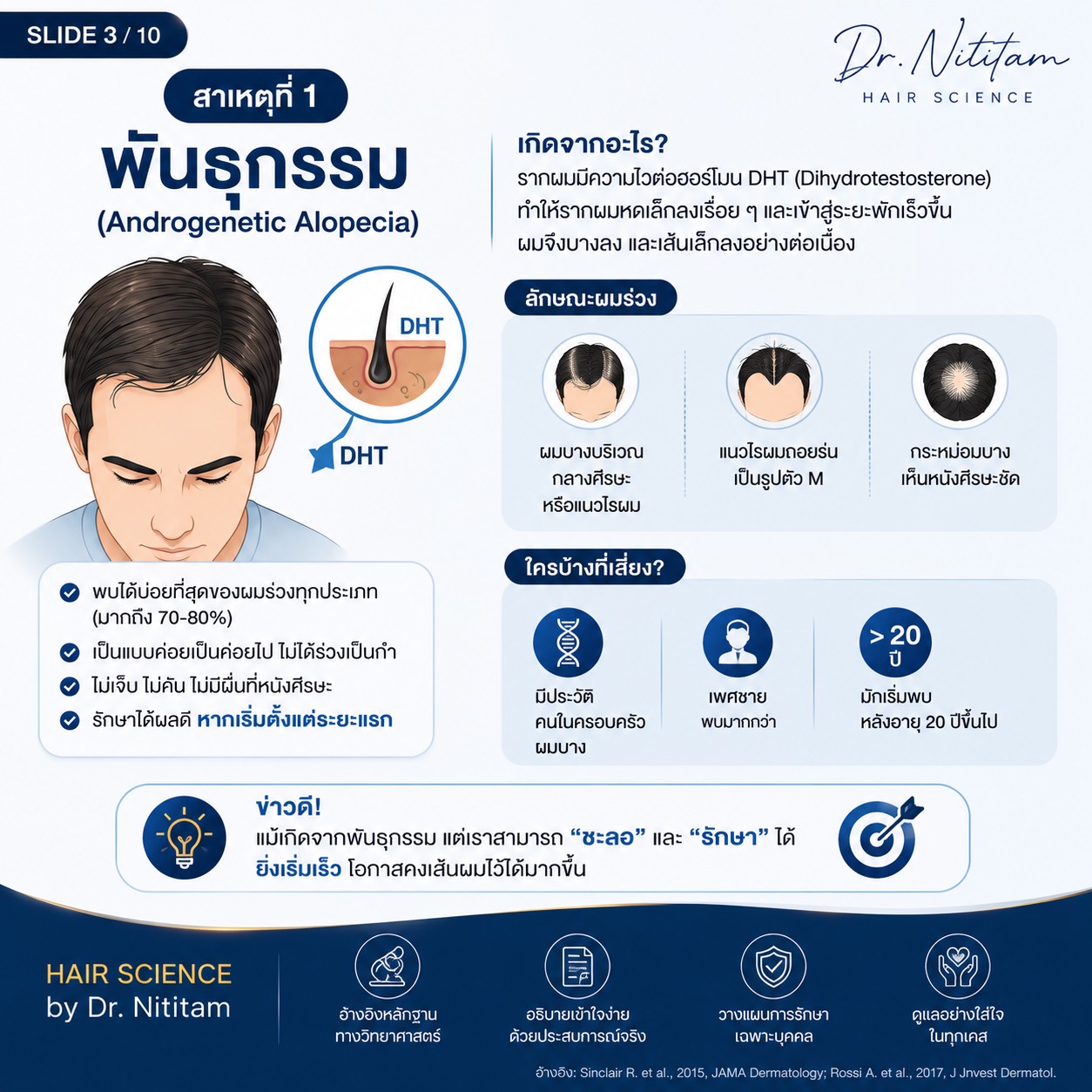
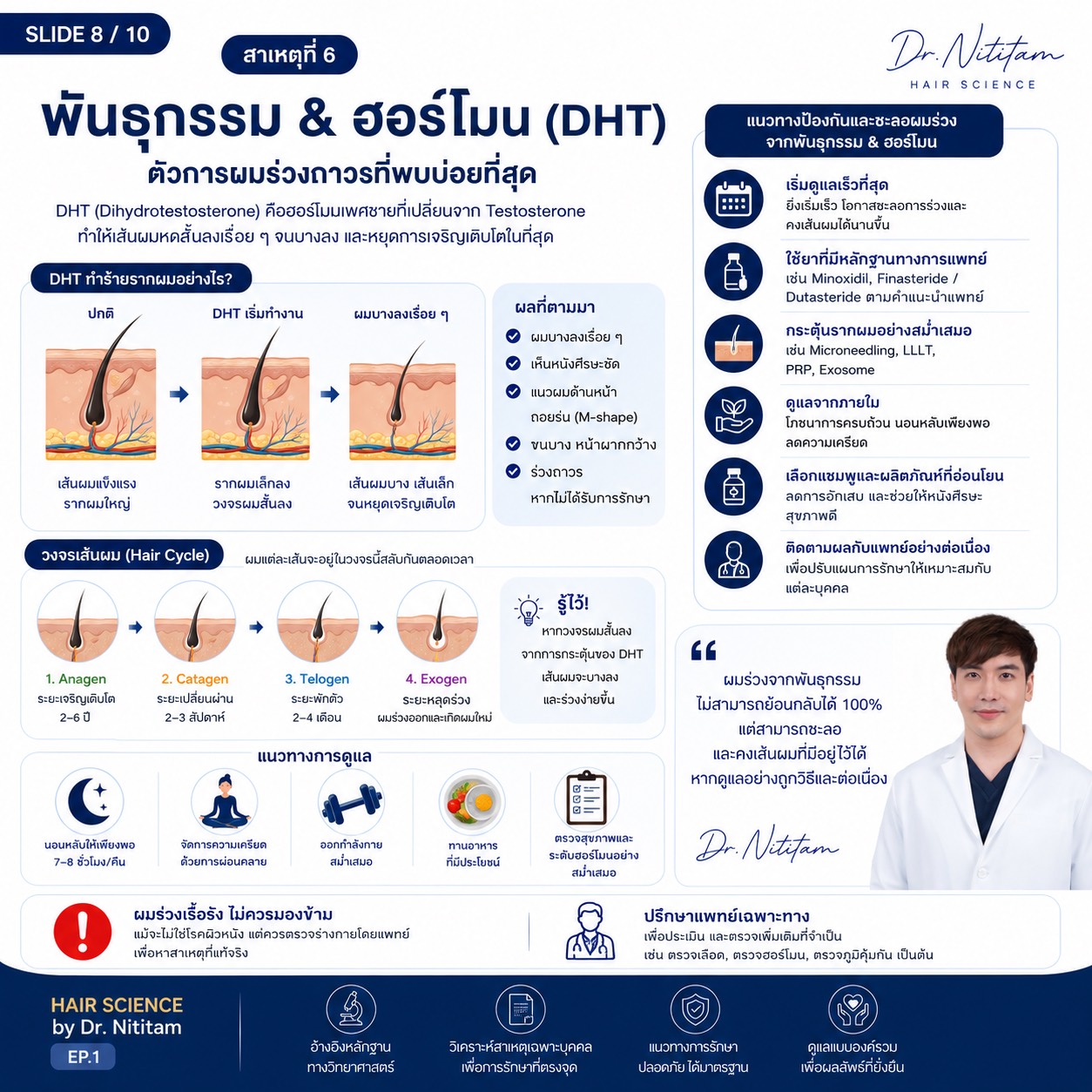
This is the most common cause in both men and women. It is caused by the hair follicles’ sensitivity to DHT (Dihydrotestosterone), a hormone converted from testosterone. When hair follicles are overly sensitive to this hormone, the hair growth cycle shortens, causing hair to gradually become finer and thinner over time. In men, it typically presents as a receding hairline and baldness at the crown, while in women, it usually presents as overall hair thinning without complete bald patches.
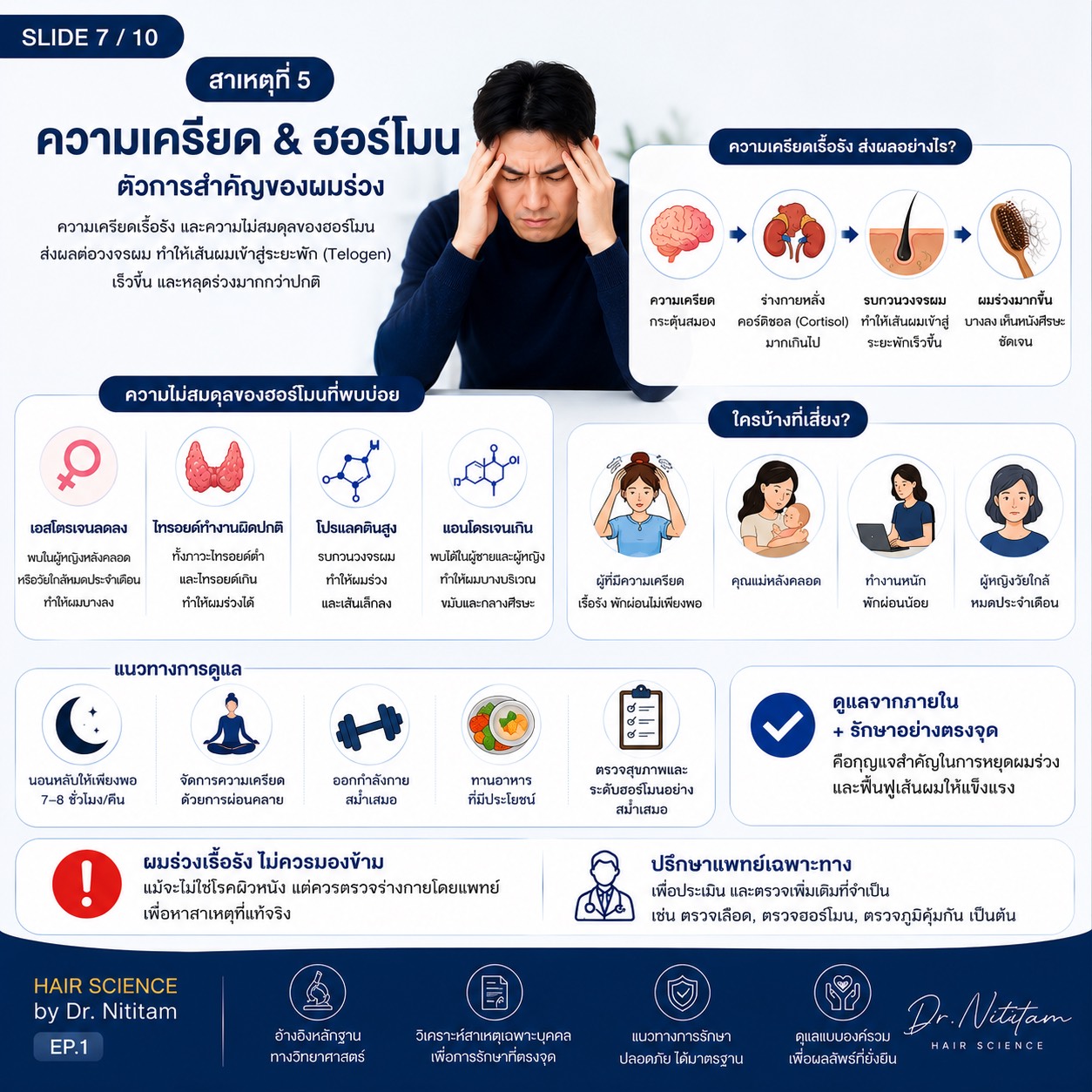
Hormonal fluctuations directly affect the hair growth cycle, especially during
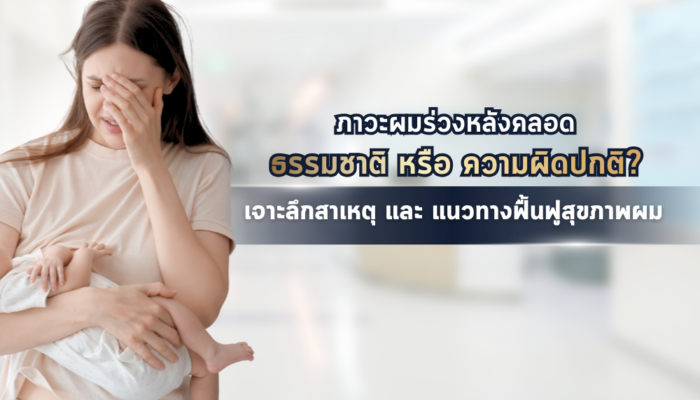
A rapid drop in estrogen levels after childbirth causes a large number of hairs to enter the resting phase simultaneously.
The decrease in estrogen levels affects hair density.
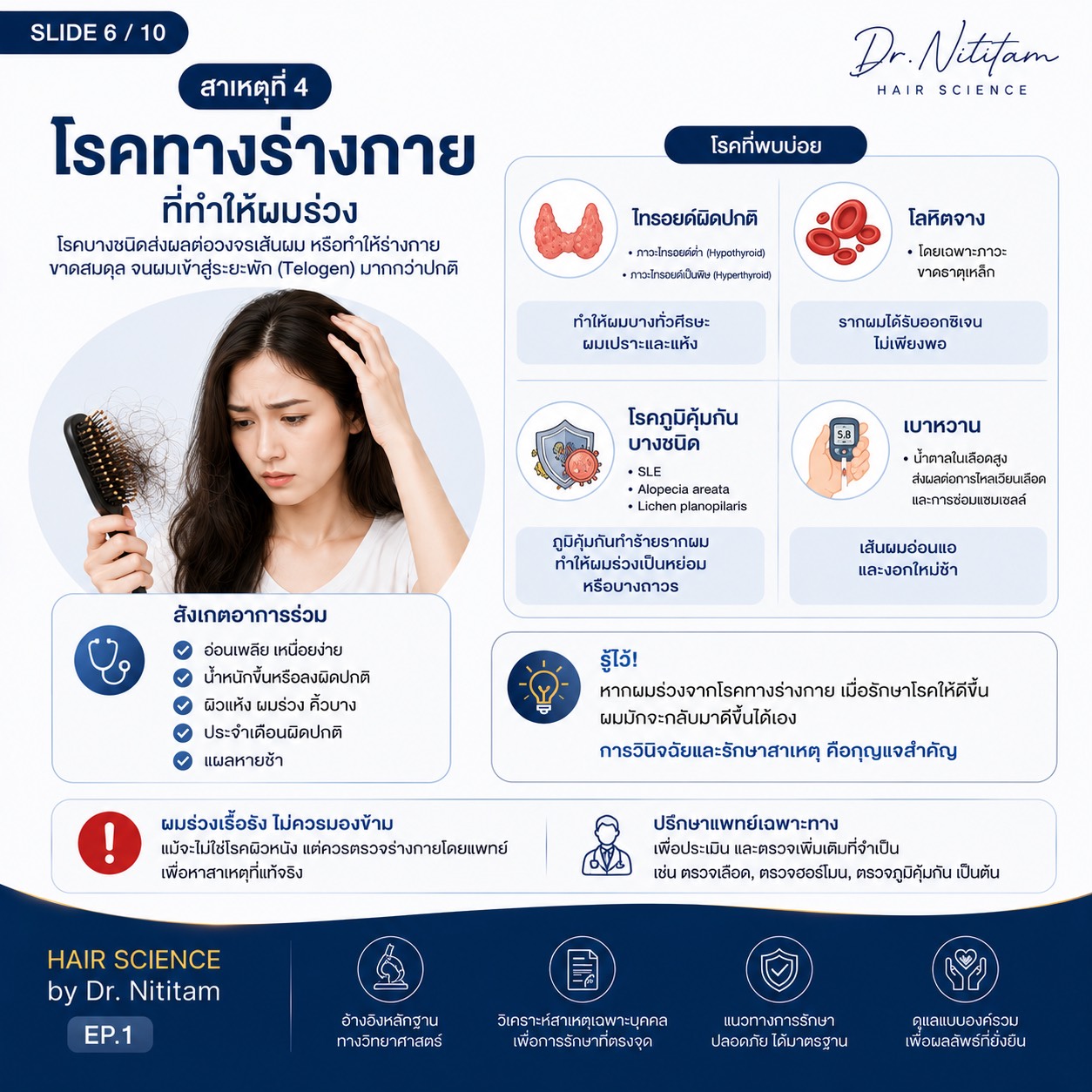
Both hyperthyroidism and hypothyroidism affect the hair growth cycle.
The androgen hormone imbalance in this condition can trigger hair loss similar to Androgenetic Alopecia.
Essential nutrients that play a vital role in hair growth include:
An imbalanced scalp condition directly affects hair follicle health, such as:
If left untreated for a long time, it may cause chronic inflammation that affects the hair roots in the long term.
Such as Alopecia Areata, or patchy hair loss, which is a condition where the body’s immune system mistakenly attacks its own hair roots, causing sudden patchy hair loss.
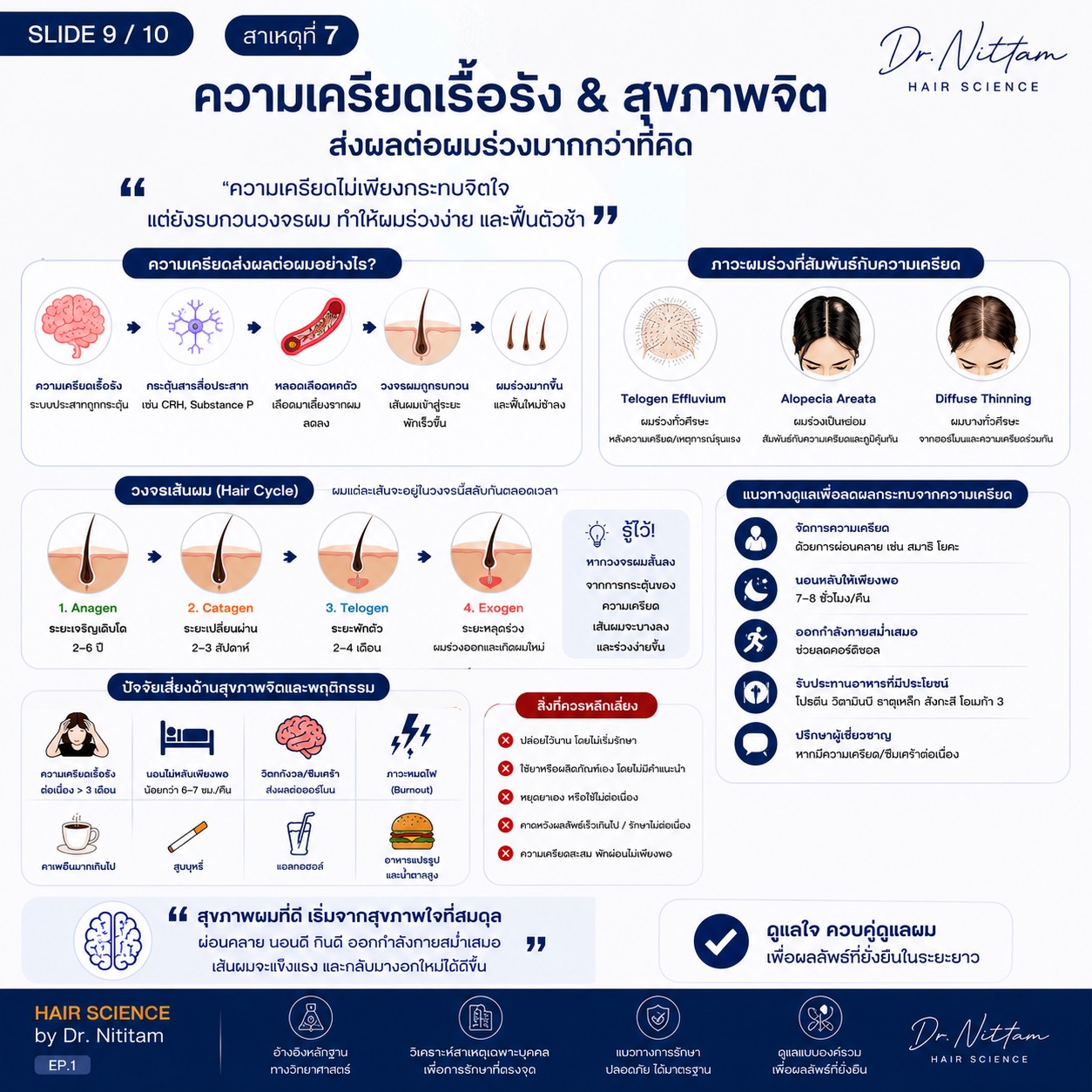
Chronic stress can prematurely trigger a large number of hair follicles to enter the shedding phase at the same time. This condition, known as Telogen Effluvium, typically presents as noticeable hair loss about 2-3 months following a stressful event.
Most cases of permanent hair loss are caused by genetics and the hormone DHT, which shorten the hair growth cycle and shrink hair follicles, resulting in hair thinning and loss.
DHT (Dihydrotestosterone) is a male sex hormone converted from Testosterone. It progressively causes the hair to become shorter and thinner until it stops growing.
Chronic stress stimulates the nervous system and neurotransmitters. This causes blood vessels to constrict, reducing blood flow to the hair roots. As a result, the hair growth cycle is disrupted. Hair enters the resting phase prematurely, leading to increased hair shedding and slower regrowth.
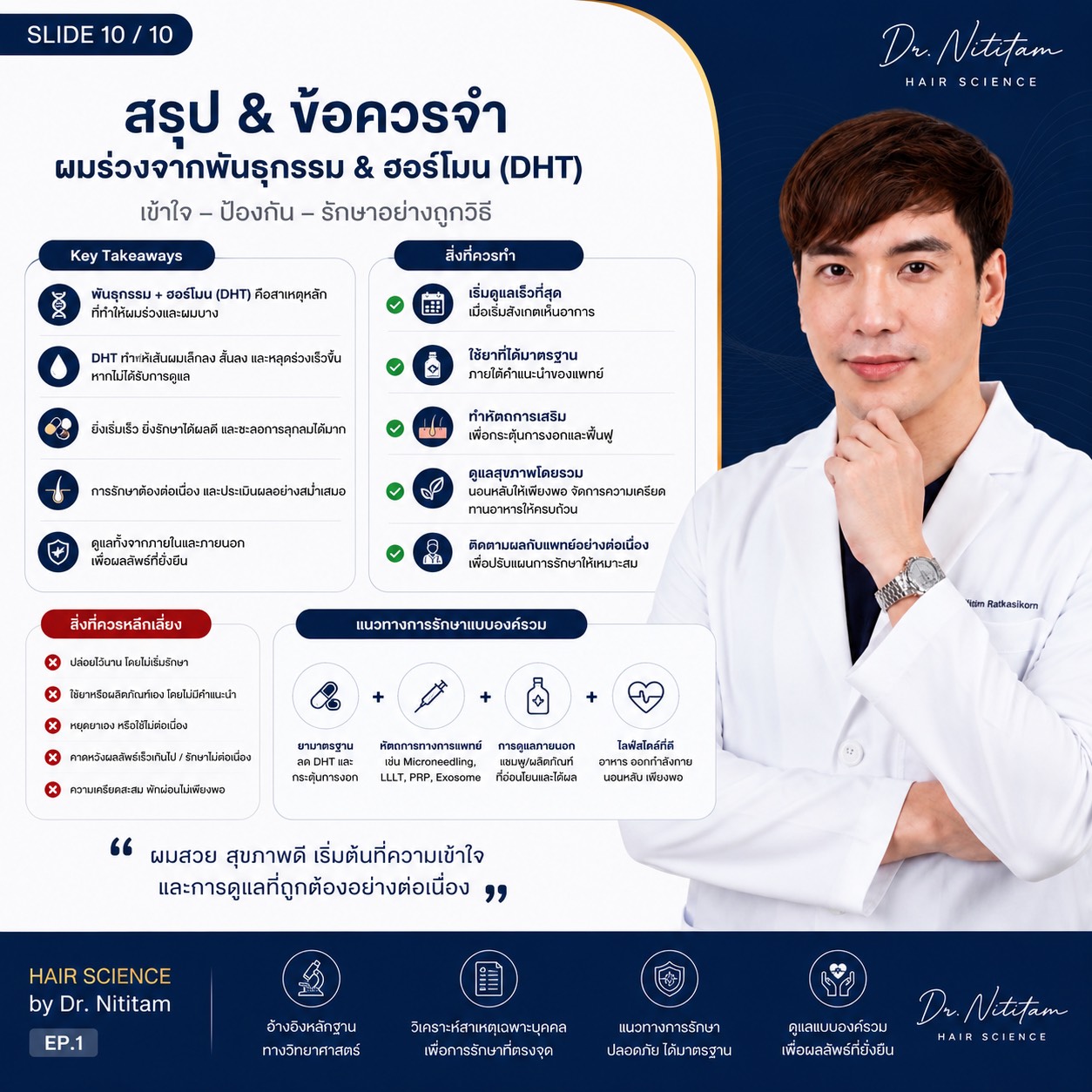
For genetic and DHT-induced hair loss, early treatment can help slow down the progression. However, continuous treatment and comprehensive care—both internally and externally—are essential.
Standard medications to reduce DHT and stimulate hair growth
Such as Microneedling program, LLLT program, PRP program, Exosome program
External care with gentle shampoos or products.
Adopt a healthy lifestyle (eat well, exercise, and get enough sleep).
Buying medications or products to use on your own, leaving the condition untreated for a long time, stopping medication on your own, accumulating stress, and expecting results too quickly.
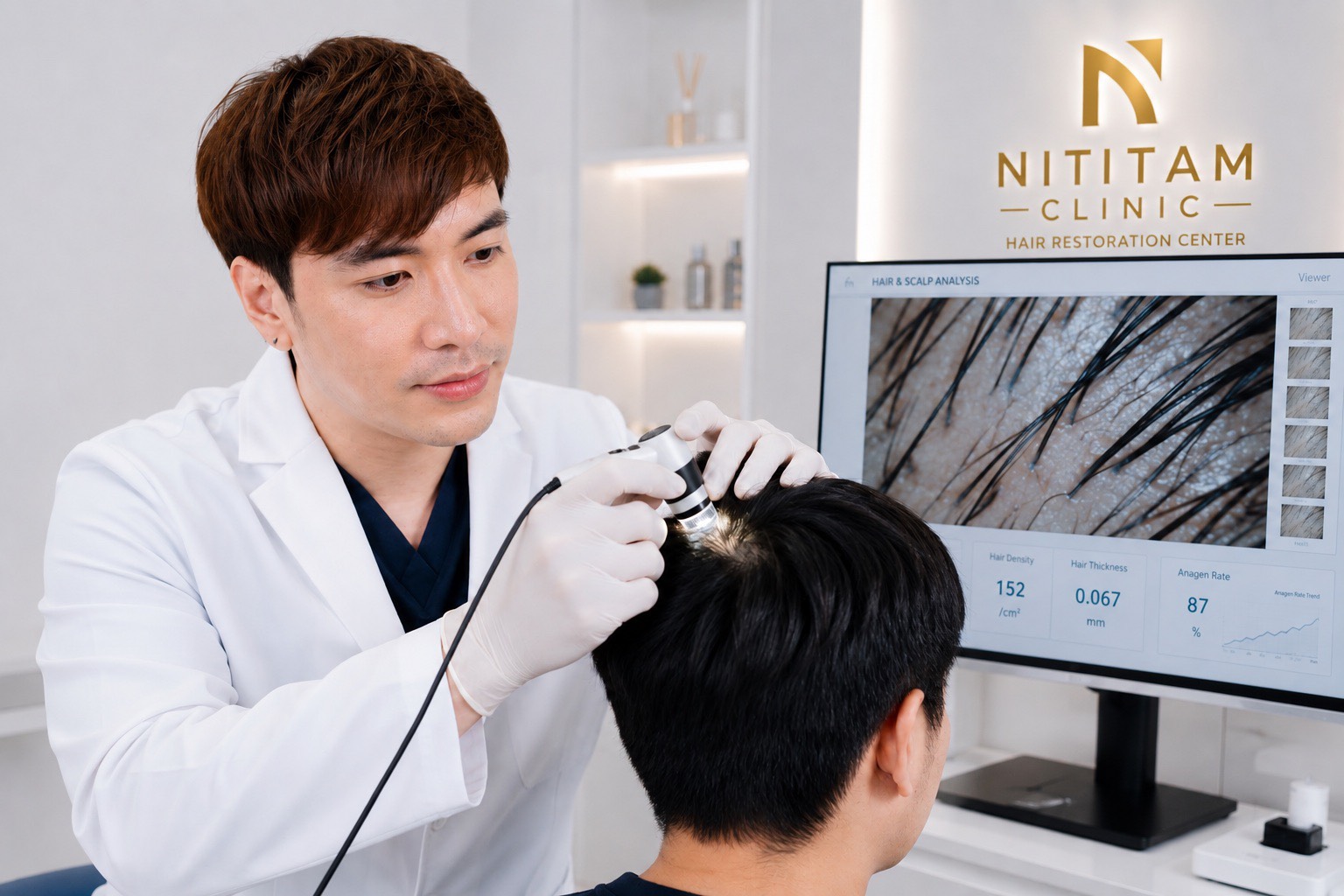
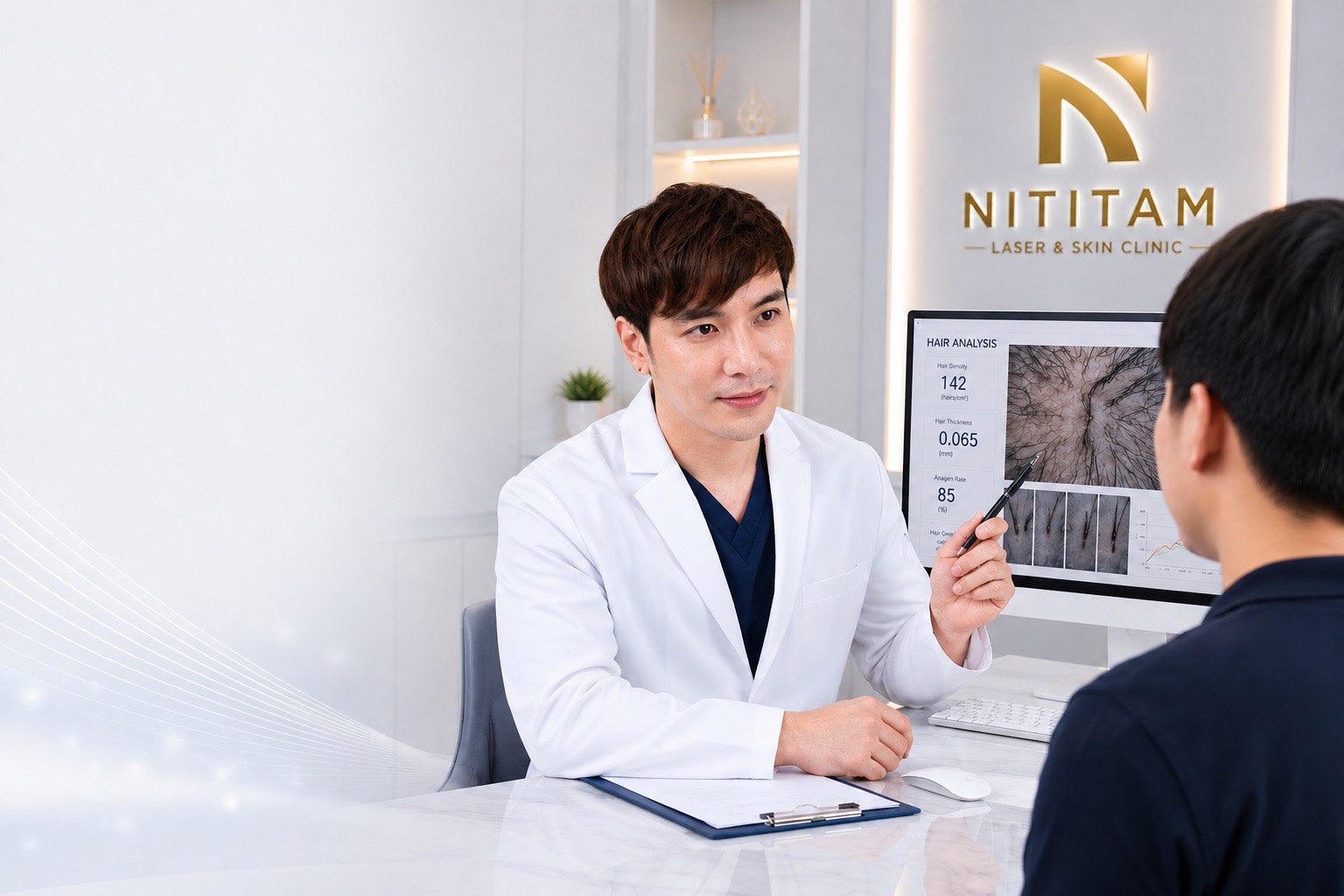
Before starting treatment, the doctor will conduct a thorough assessment to find the root cause of the problem, as different causes of hair loss require different treatment approaches.
The doctor will then design a Personalized Hair Restoration Program to achieve suitable results based on each individual’s hair condition and the underlying causes.


The doctor will consider and select the appropriate medication for each individual, taking into account the cause, gender, and stage of hair loss, such as:
The use of medication helps slow down hair loss and stimulate hair growth, which must be strictly under close medical supervision.
The injection of hair growth stimulants into the scalp, aimed at
Suitable for individuals experiencing early to moderate hair thinning
Hair root rejuvenation program using Polynucleotide (PN), which works by signaling and stimulating the tissue repair process within the scalp.
Suitable for individuals experiencing hair thinning due to aging or scalp deterioration.
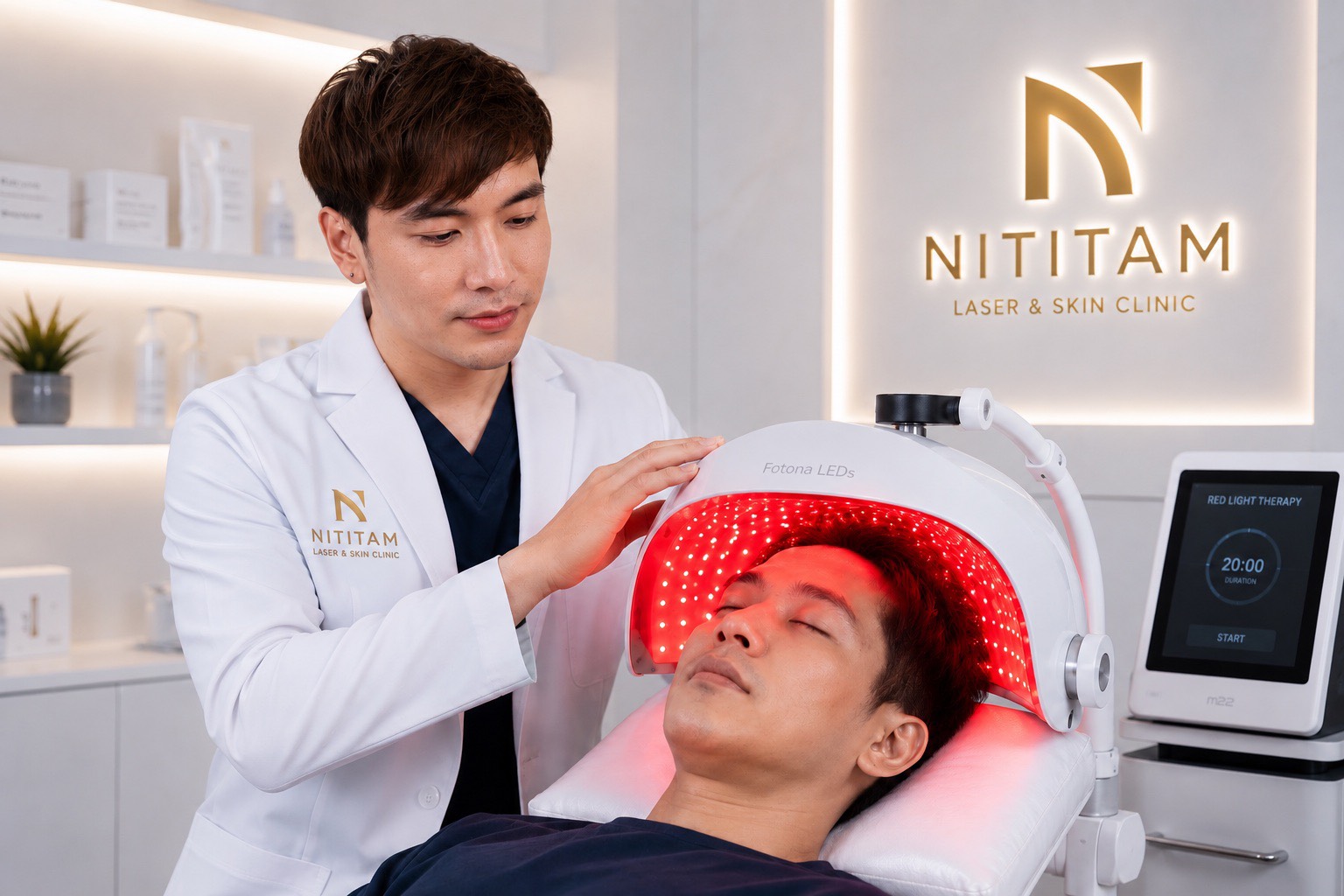
Low-Level Light Therapy technology that uses specific wavelengths of light to stimulate cellular function without causing heat or tissue damage.
It is a painless treatment with minimal downtime, suitable for those who want to enhance treatment efficacy without requiring procedures that need recovery time.
Treatments that generally yield optimal results often involve a combination of multiple methods. The doctor will design a personalized program, which may include
To enhance treatment efficacy and long-term results.
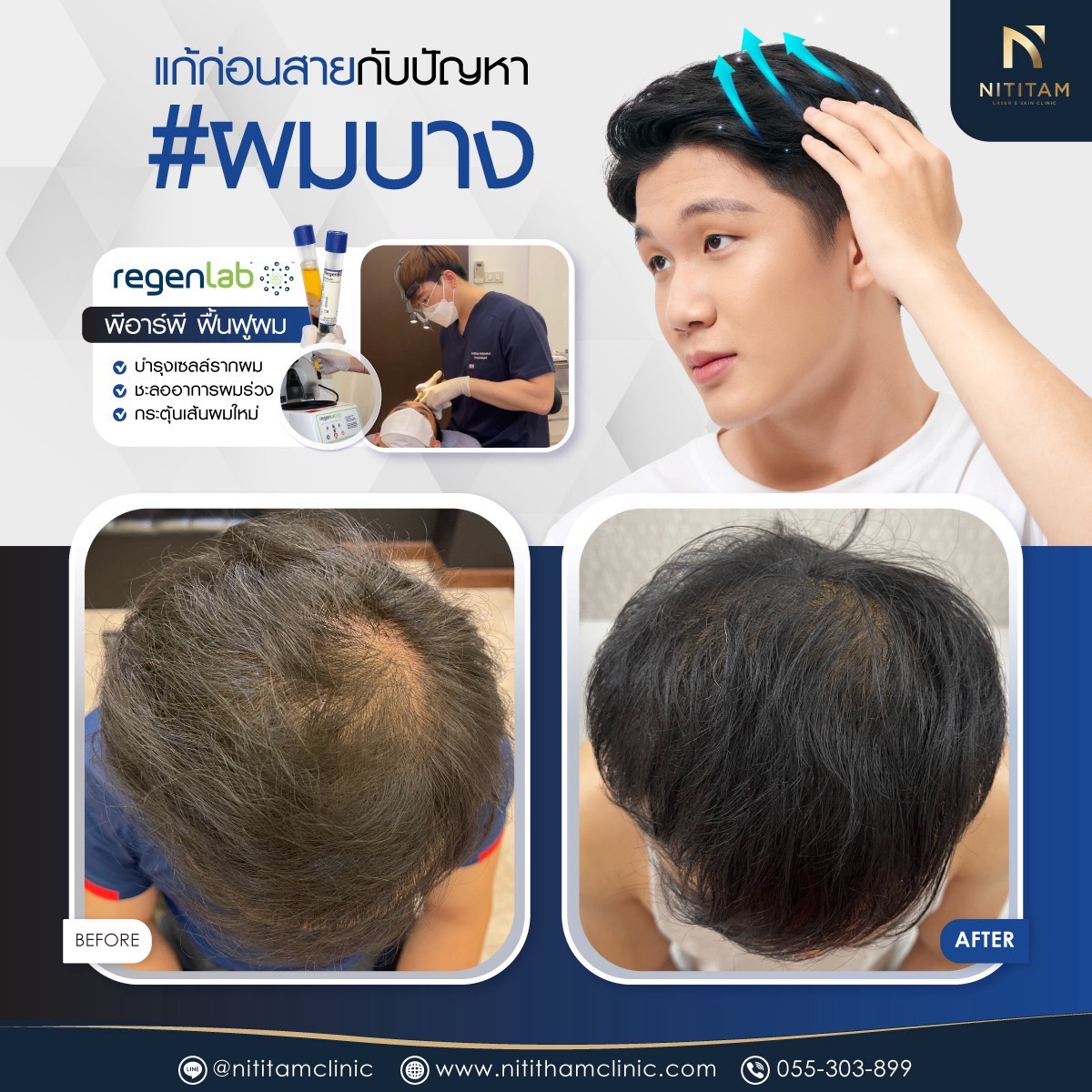
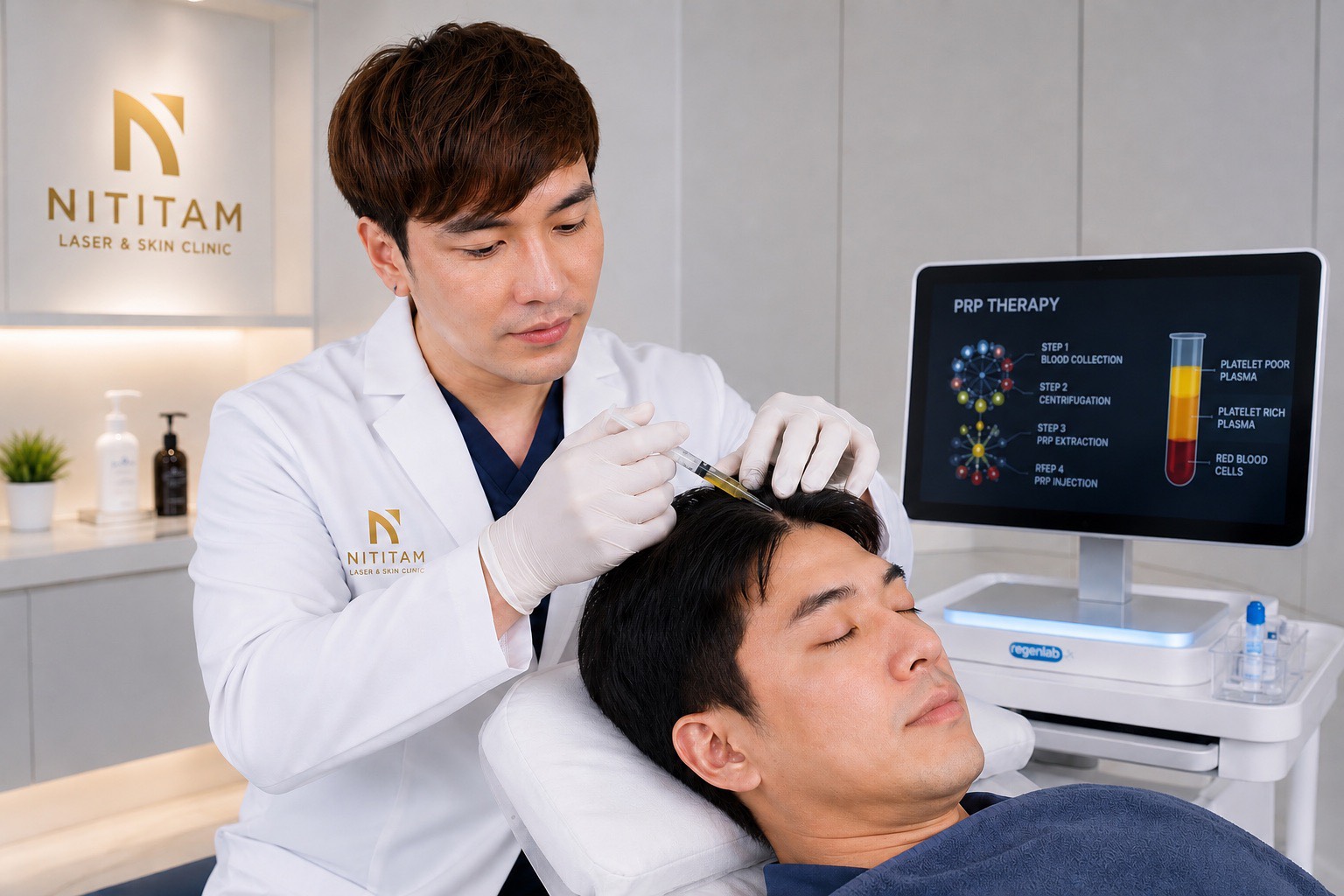
PRP, or Platelet-Rich Plasma, involves drawing the patient’s blood and centrifuging it to obtain highly concentrated platelets. These are rich in Growth Factors, which play a crucial role in tissue repair and regeneration.
When PRP is injected back into the scalp, it helps stimulate hair root function and promotes the hair growth cycle.
For effective results, the PRP program often works well when combined with other treatments, such as:
To help stimulate hair follicles through multiple mechanisms and improve long-term hair restoration.
The difference in treatment efficacy with the PRP platelet injection program, apart from the technique of injecting into the correct layer, is also related to the efficiency of the platelet separation kit. At Nititham Clinic, we do not just use standard test tubes for separation. We use a platelet separation system that meets high standards, is approved by the Thai FDA, and is internationally recognized in many countries, ensuring confidence in the treatment quality.
At Nititham Clinic, our doctors will evaluate the suitability of each patient and create a personalized treatment plan. The program can be designed in combination with other hair restoration technologies to achieve the most appropriate results for each individual’s hair and scalp condition.
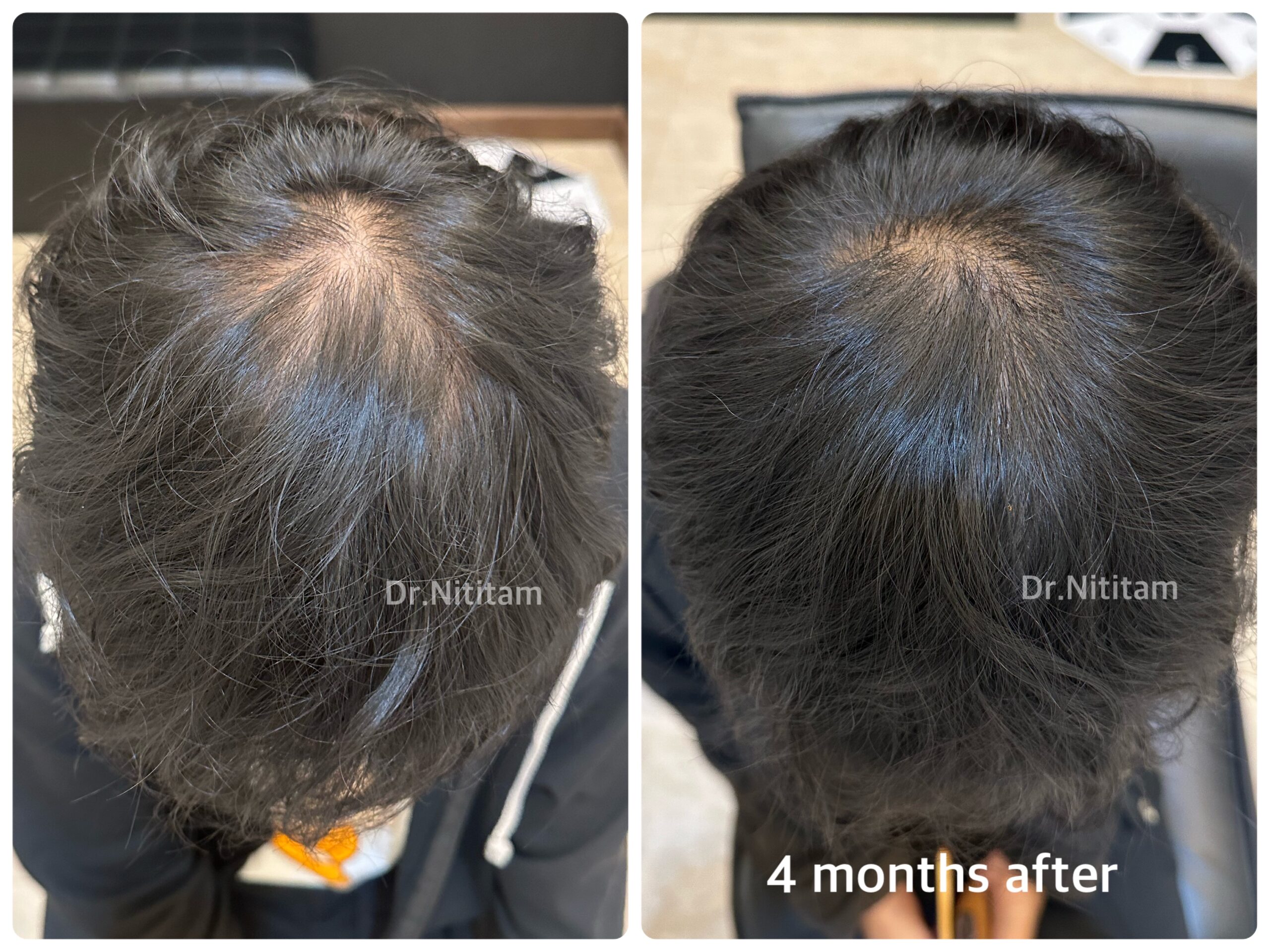
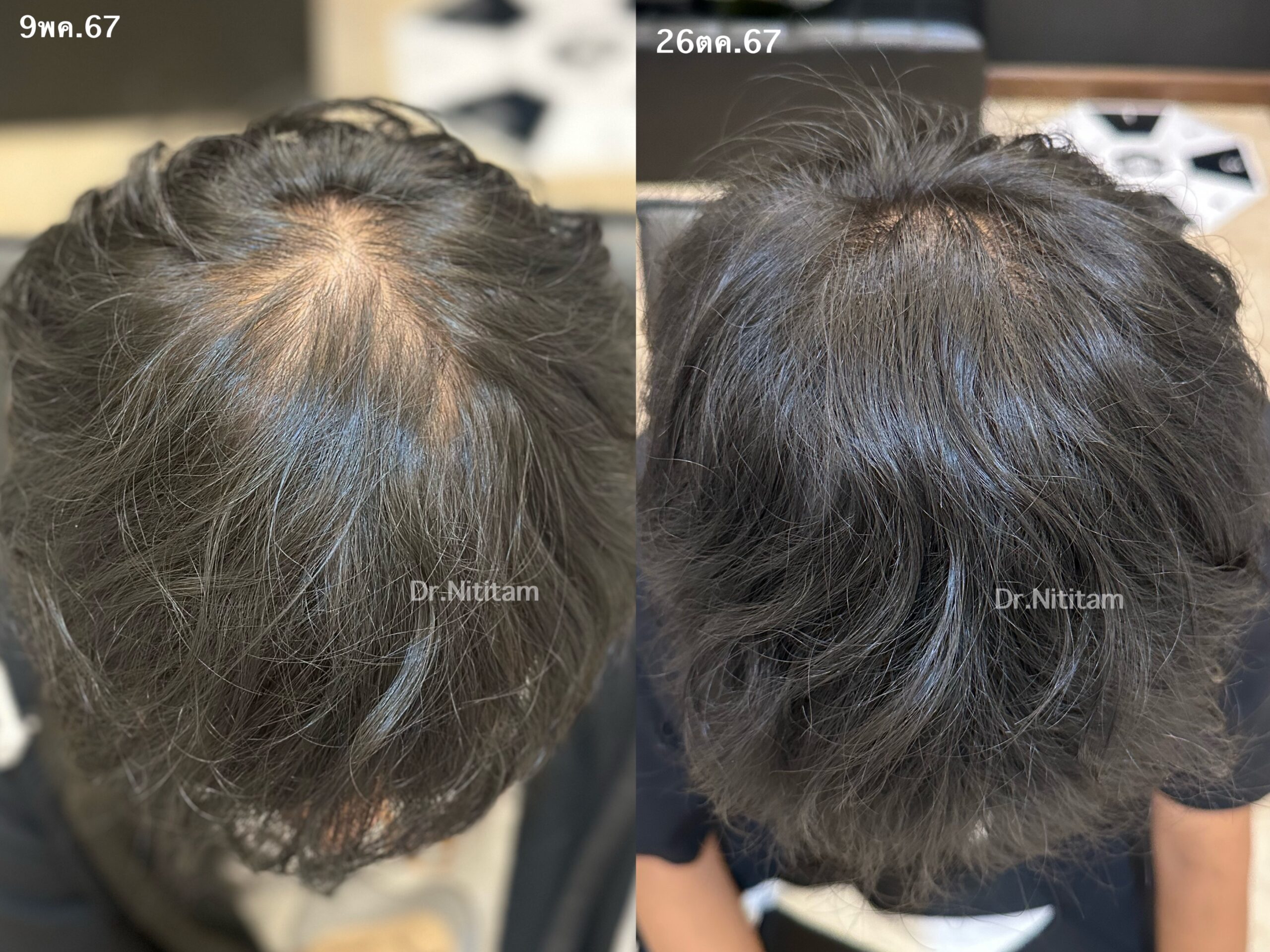
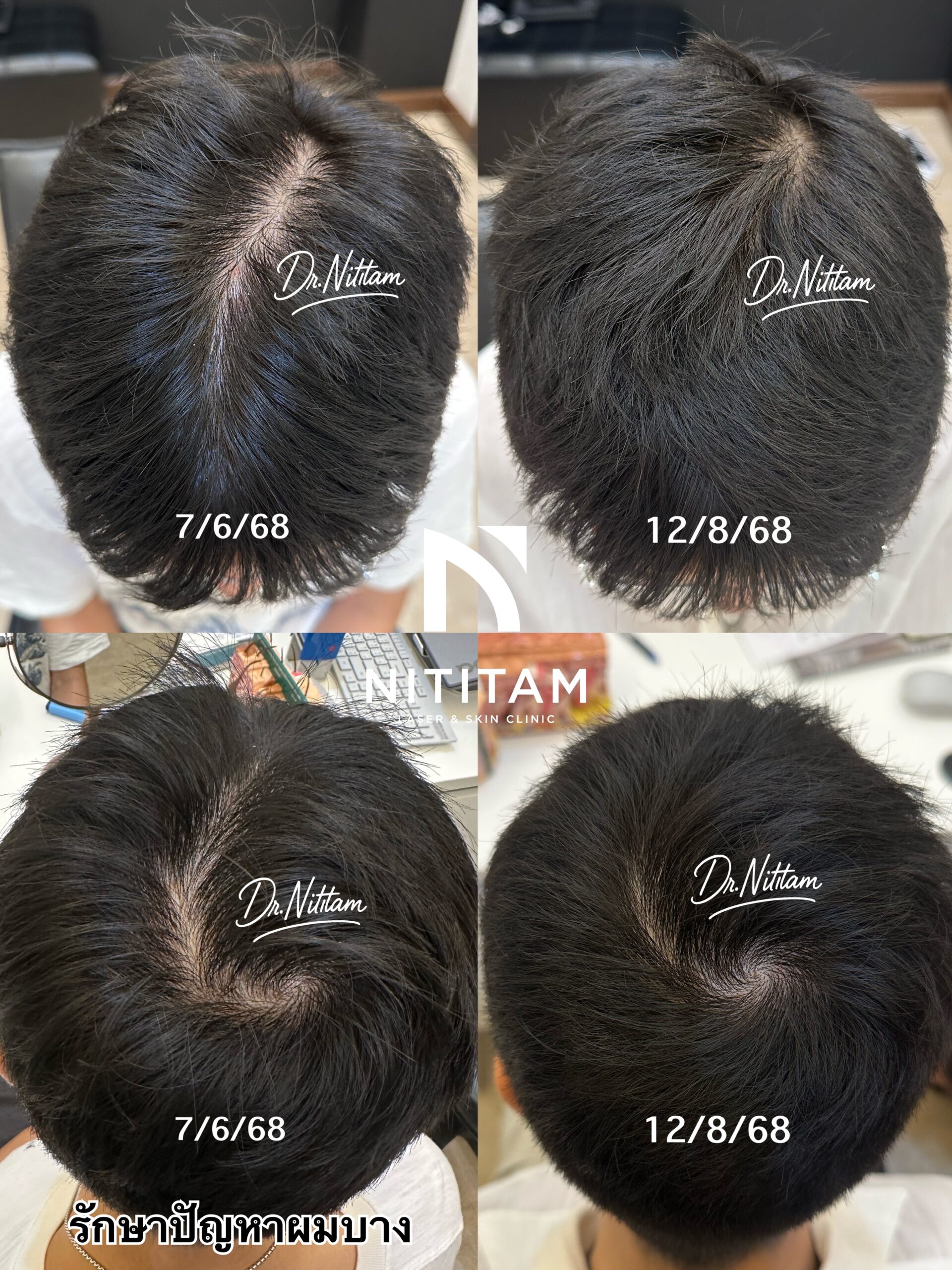
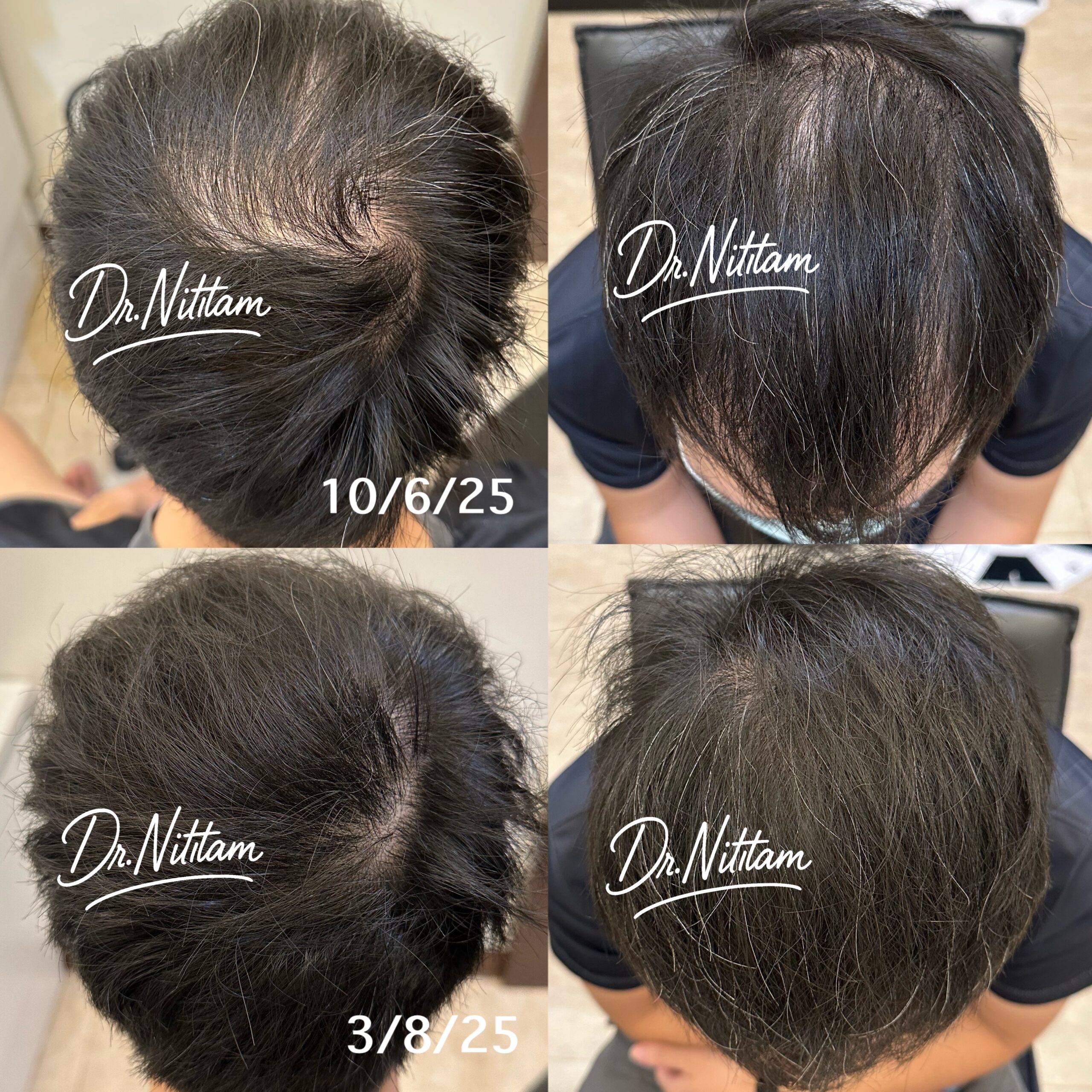
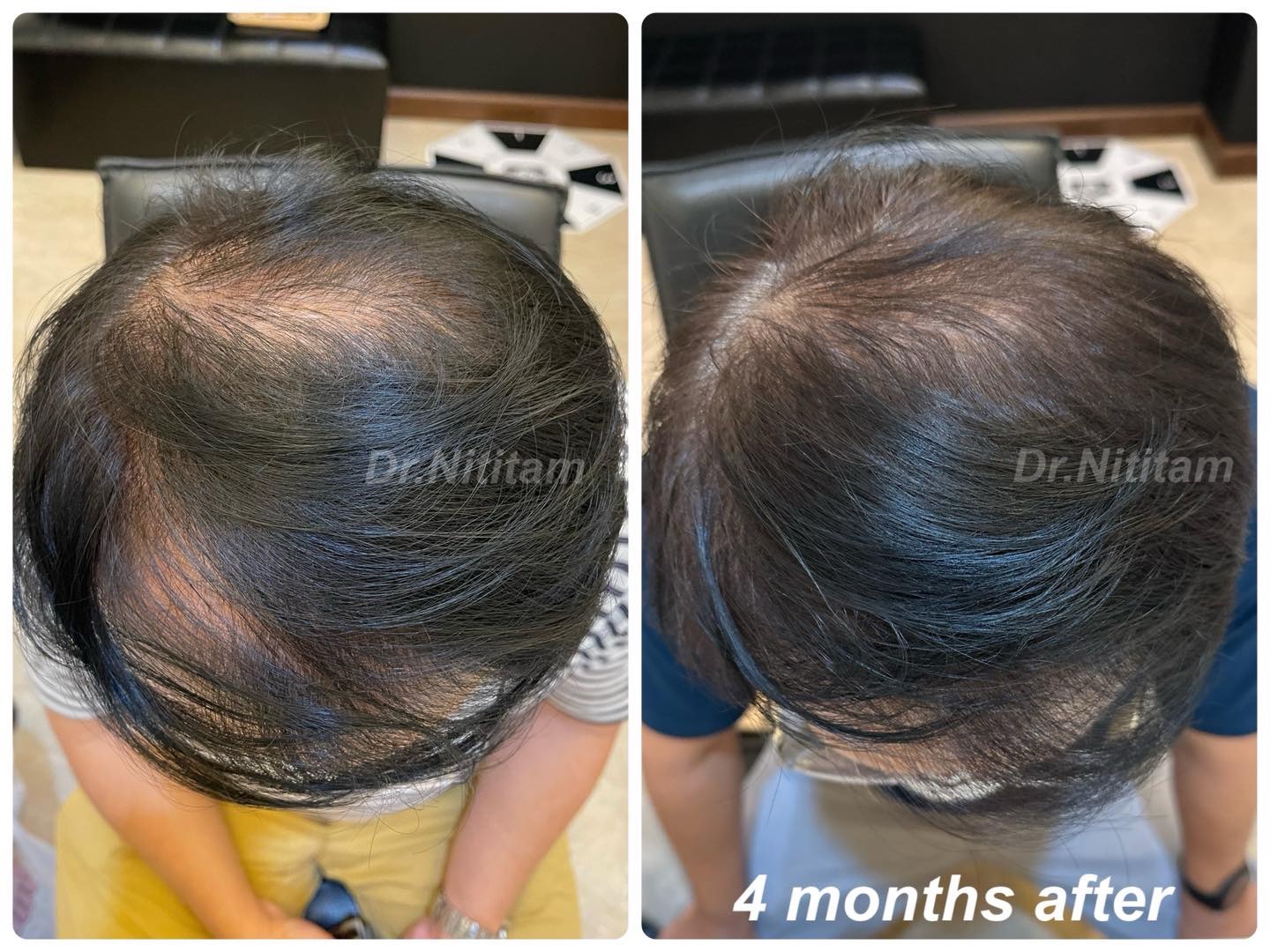
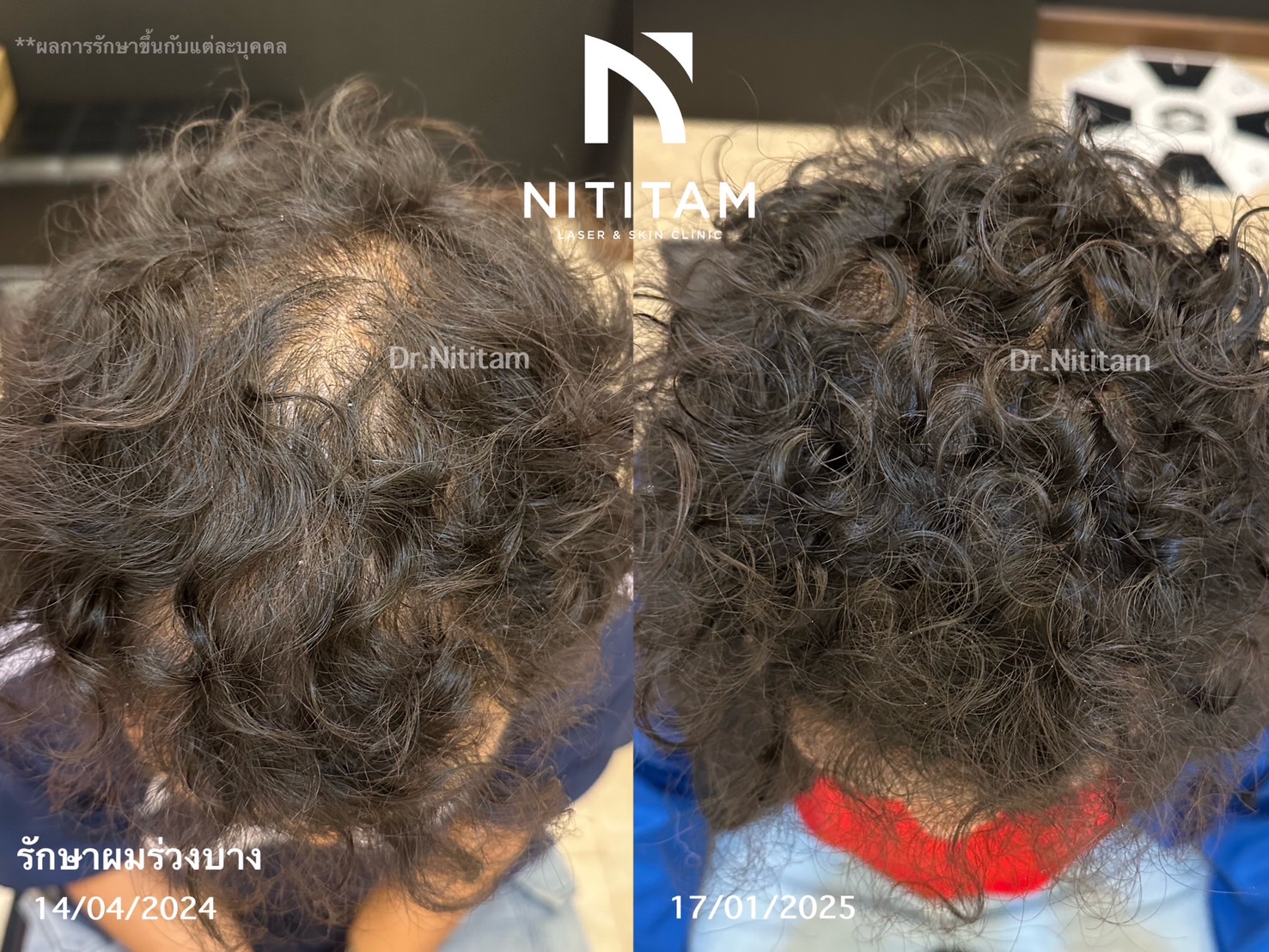
Treatment results vary from person to person, depending on the cause and stage of hair loss and thinning. Generally, a reduction in hair loss is often noticed within 2-3 months, and changes in hair density become more apparent within 4-6 months, depending on the cause and stage of the hair loss condition.
When hair follicles atrophy over a long period, the chances of recovery decrease accordingly. Since completely atrophied hair follicle cells are difficult to stimulate back to their normal function, early treatment helps to
Start treating hair loss and thinning before experiencing excessive hair loss. Consult a doctor to assess the cause and create a personalized treatment plan to restore confidence and long-term hair health.
Nititam Clinic
A comprehensive provider of skin care, hair care, and aesthetic medicine, focusing on evidence-based and personalized treatments for each client.

At Nititham Clinic, available at both Phitsanulok and Bangkok (Silom) branches for your convenience.
> Check doctor schedules