


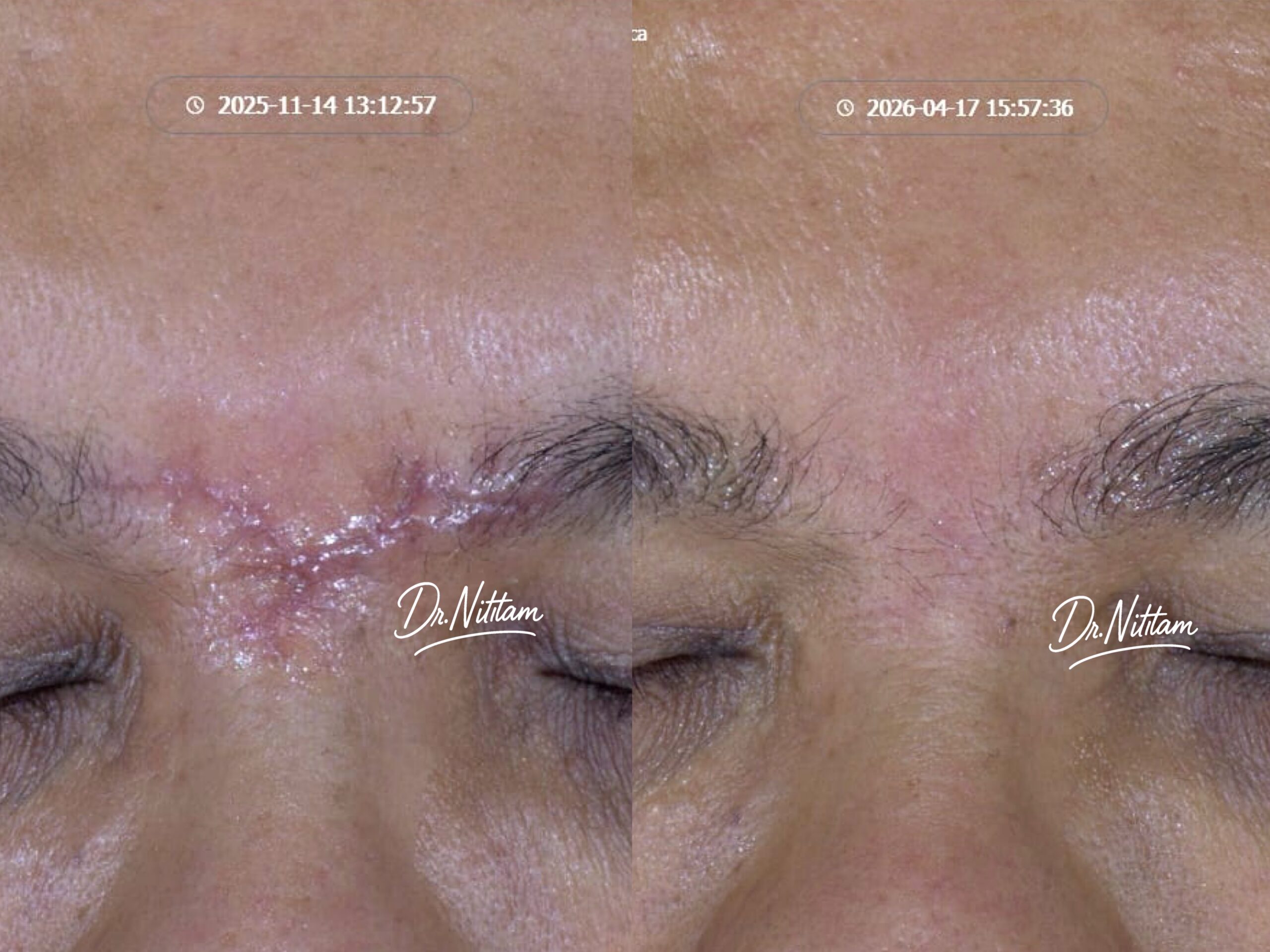
 1. Immediate initial care after injury
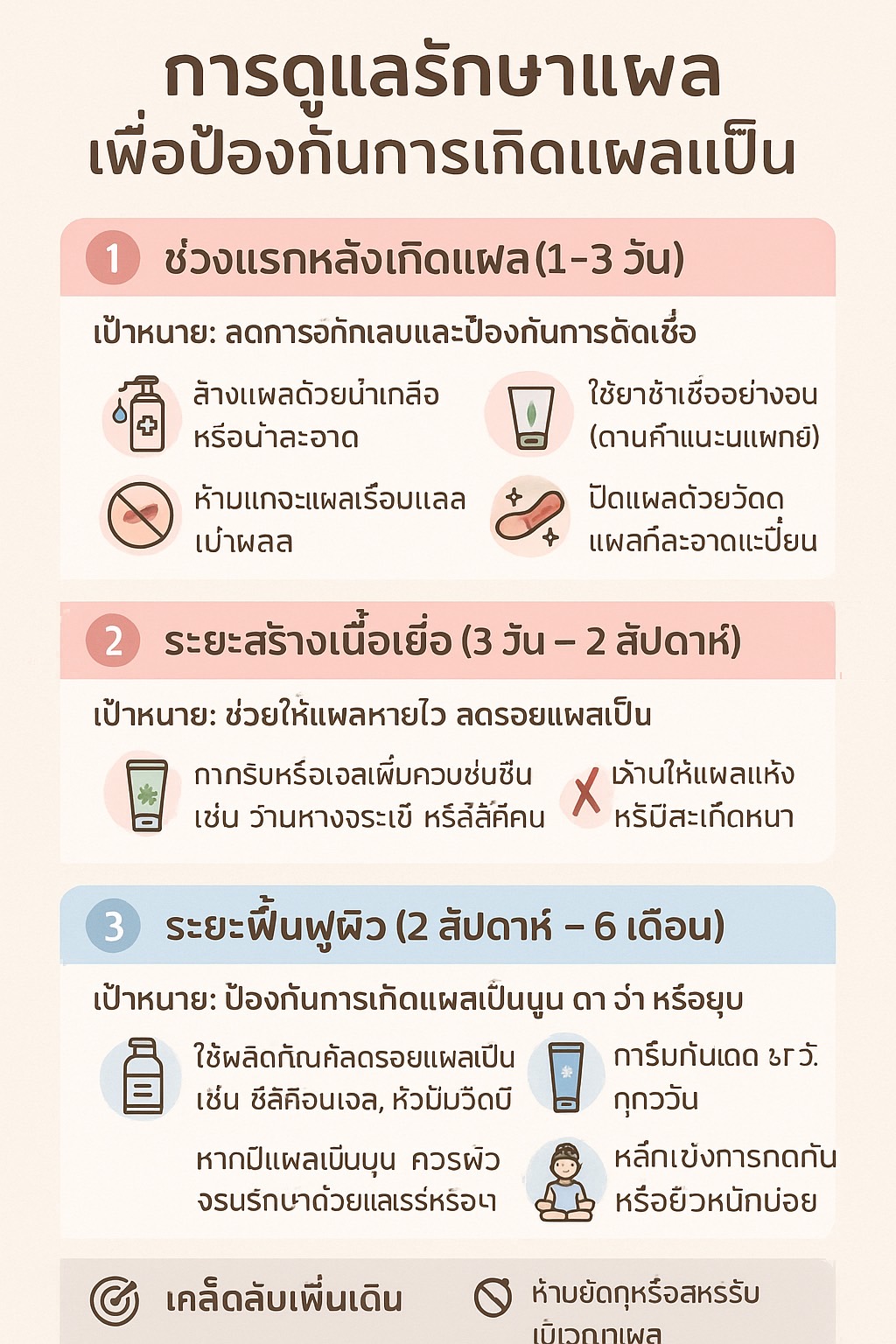
• Clean the wound with sterile saline solution or a gentle antiseptic
• Cover the wound with a clean, non-adherent dressing.
2. Prevent inflammation and infection
• Apply topical antiseptics or antibiotics (as recommended by a doctor).
• Avoid picking at the wound or exposing it to excessive water during the initial healing period.
• If there is swelling, redness, pain, or pus, consult a doctor immediately.
3. Wound Tension Control
• Avoid excessive movement in the wound area.
• In some cases, silicone tape or wound closure tape may be used to help reduce skin tension.
4. Scar Prevention After Wound Closure
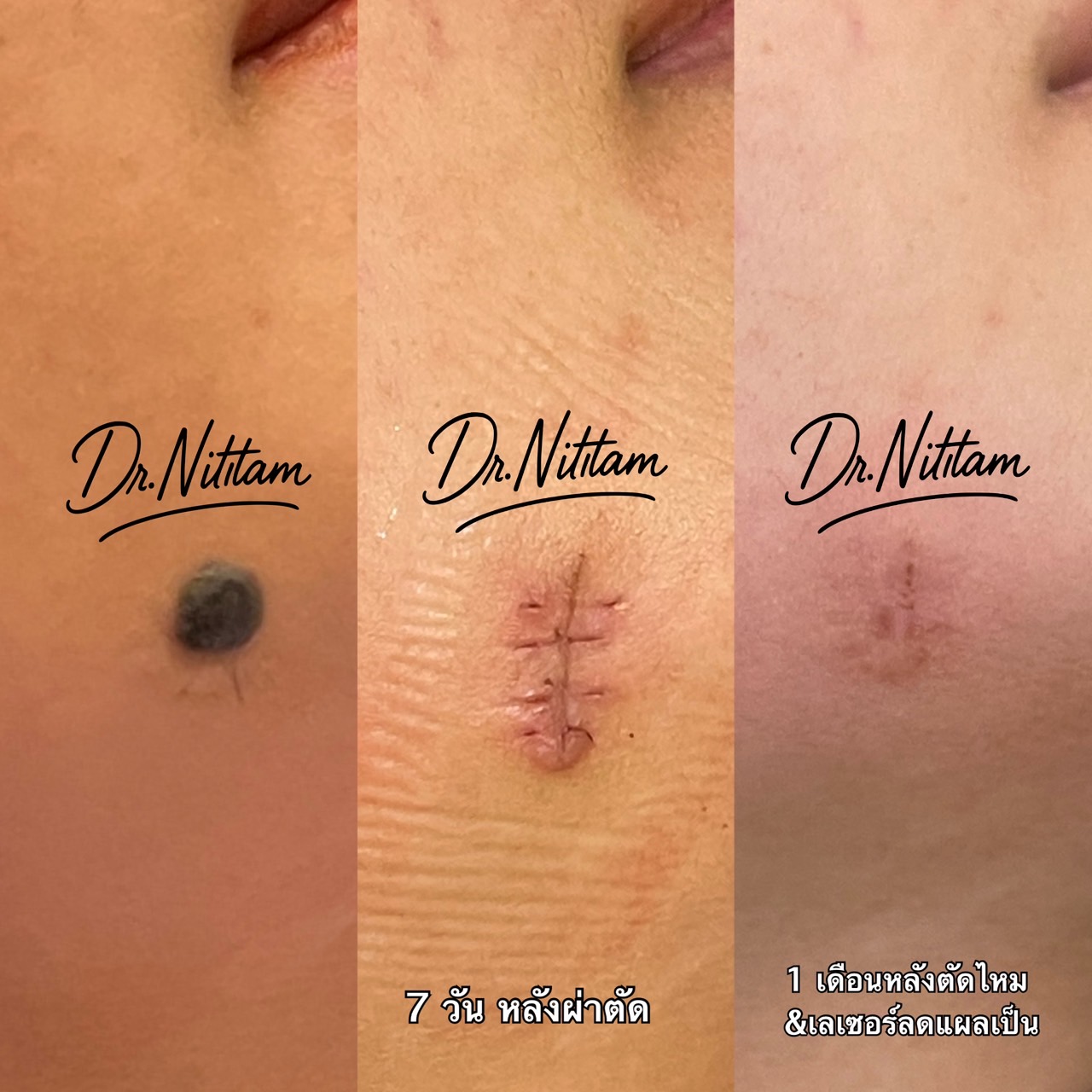
Once the wound has healed (typically about 1-2 weeks after surgery):
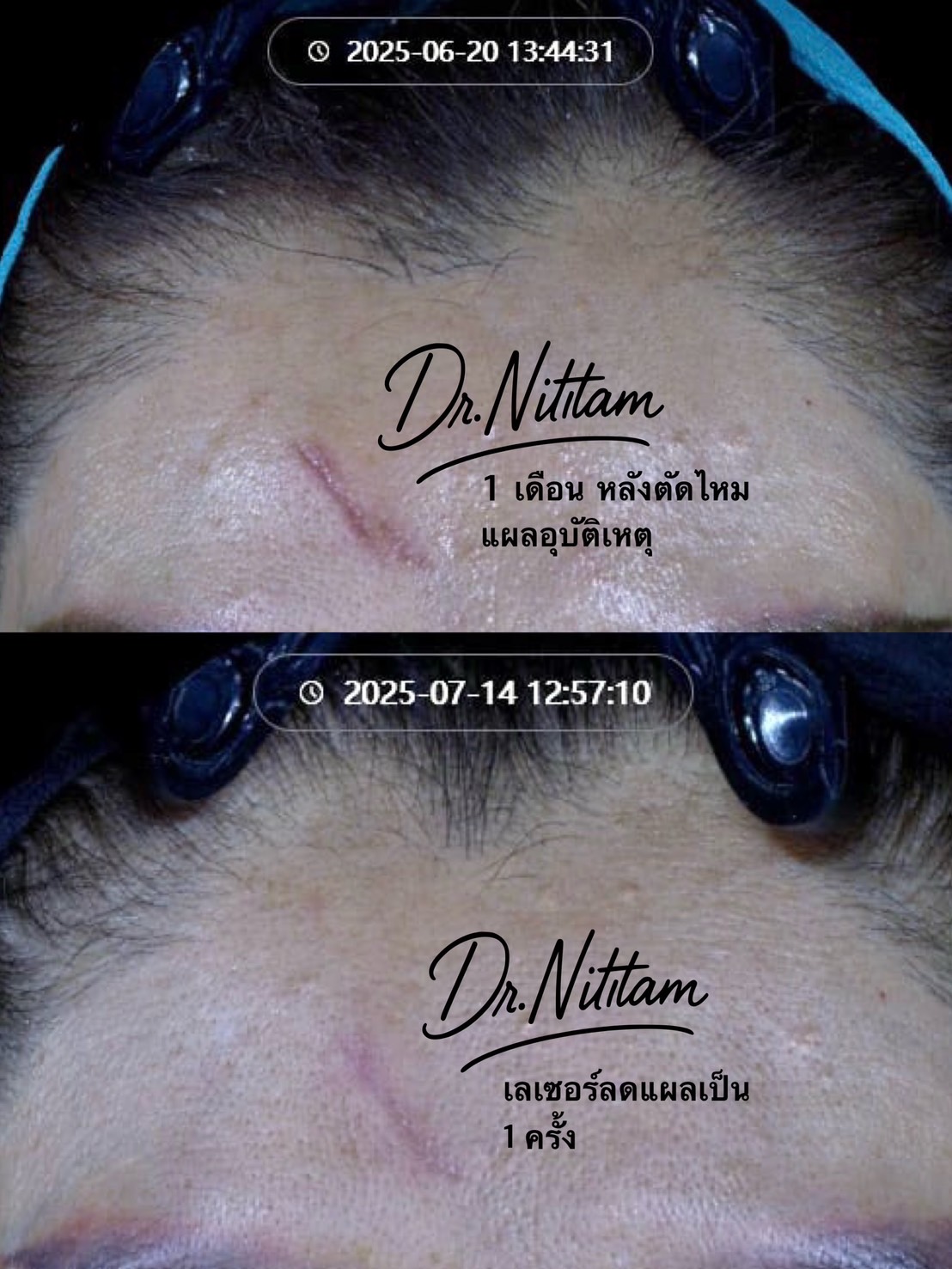
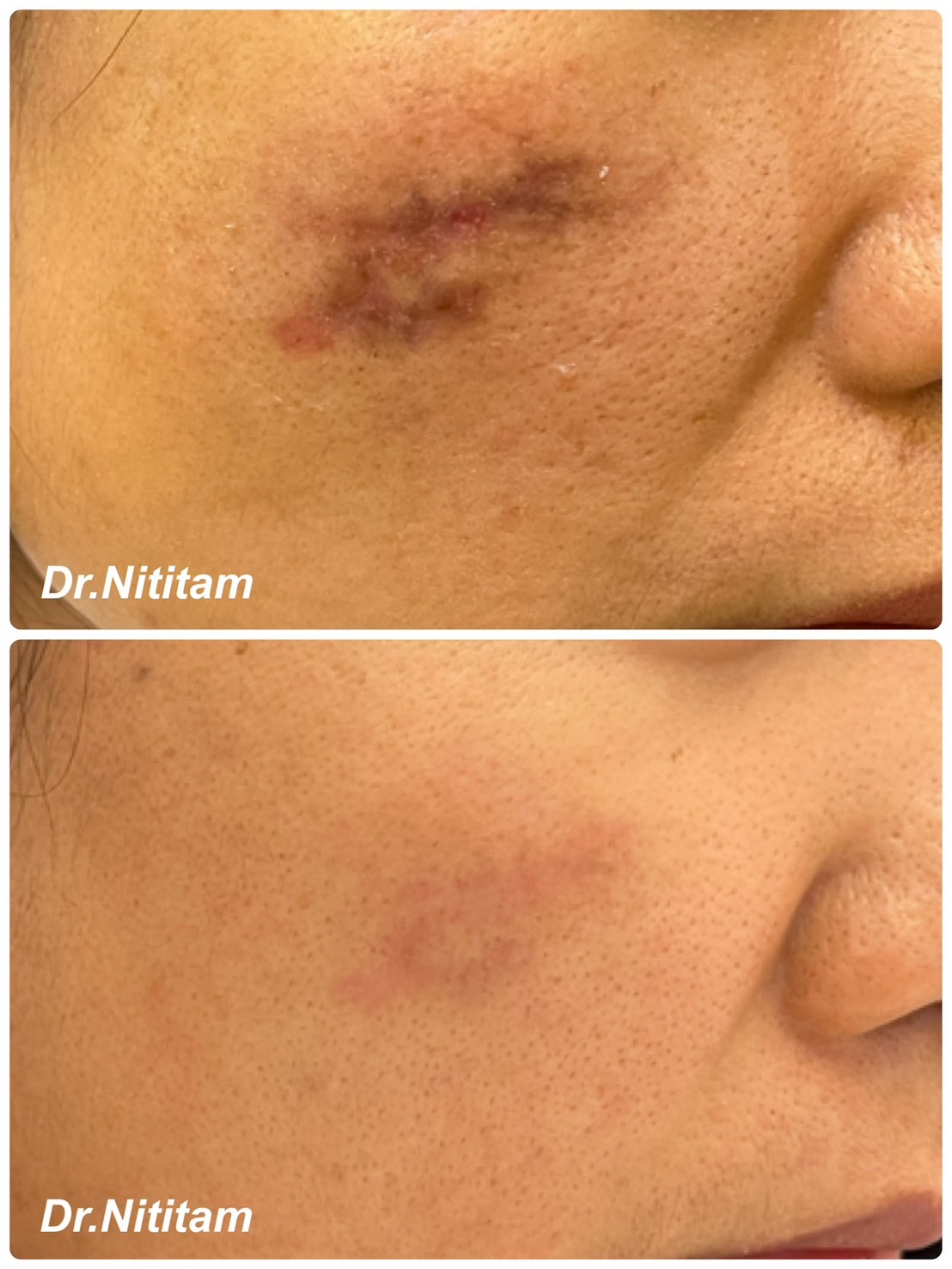
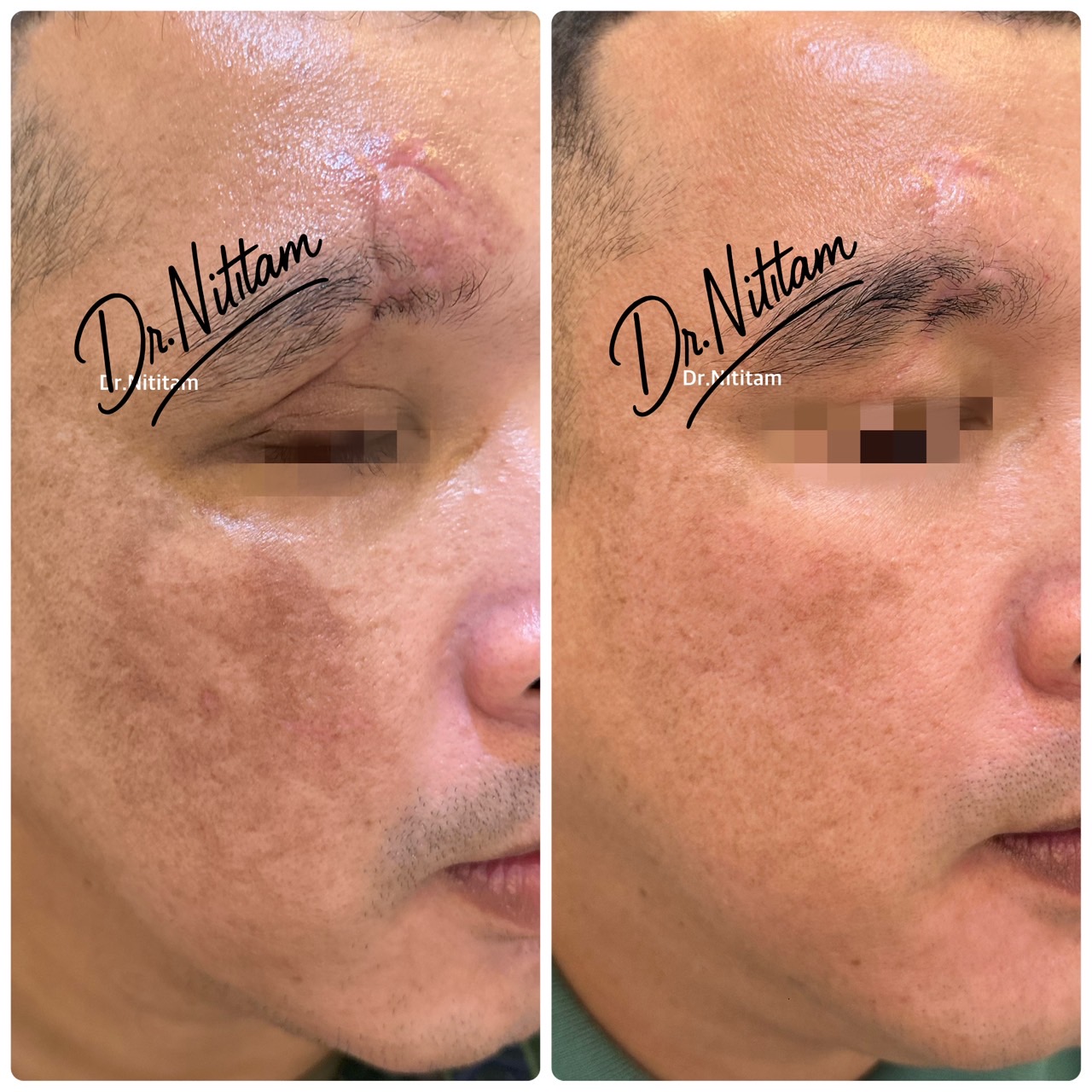
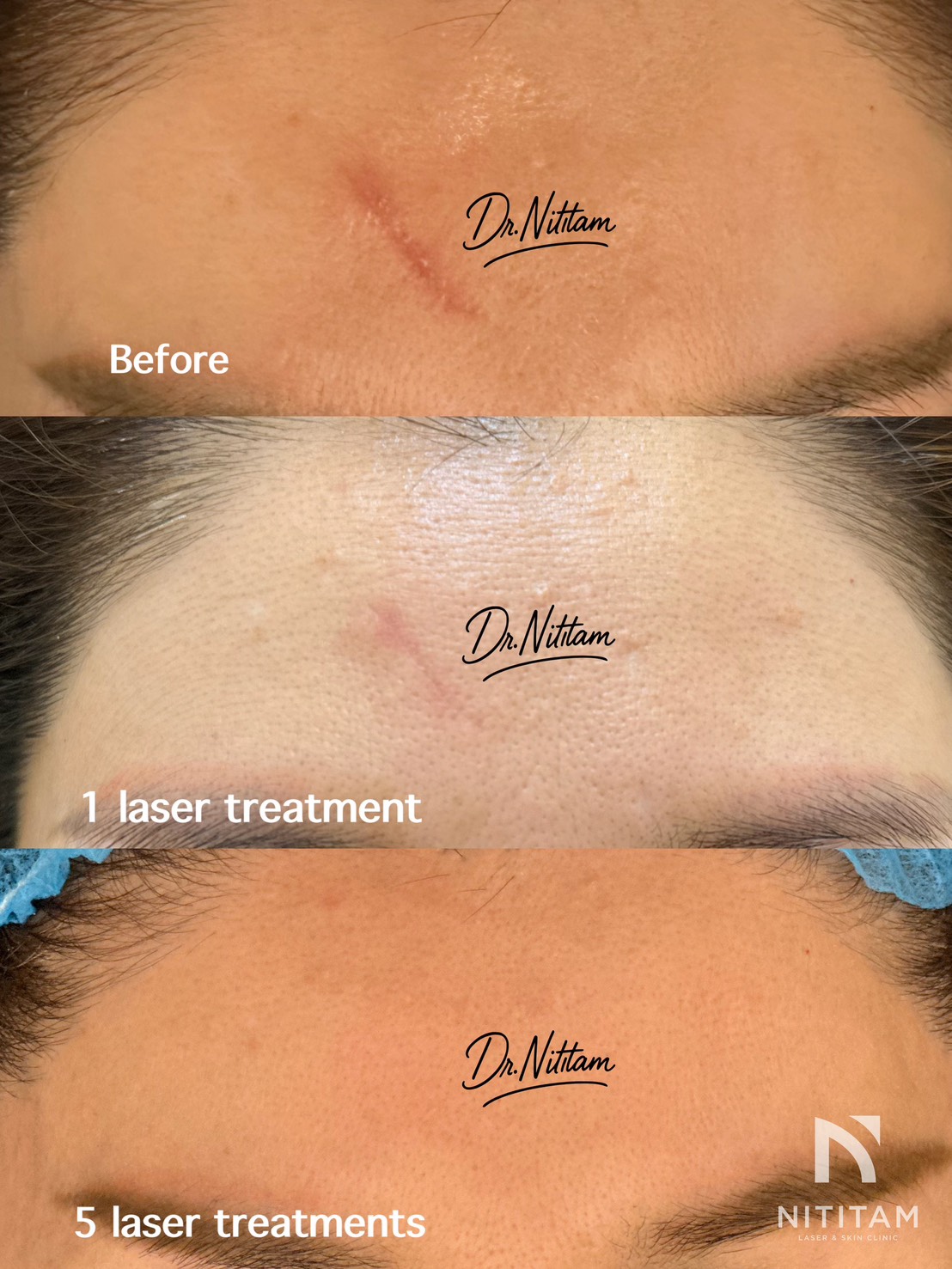
• Promptly start scar reduction laser treatment Pico laser Do not delay
• Use silicone gel sheets or silicone wound dressings continuously (at least 12 hours/day for 2-3 months)
• Apply scar reduction creams, such as those containing Allium cepa, Heparin, Allantoin, Silicone, or Centella Asiatica
5. Avoid sun exposure long-term
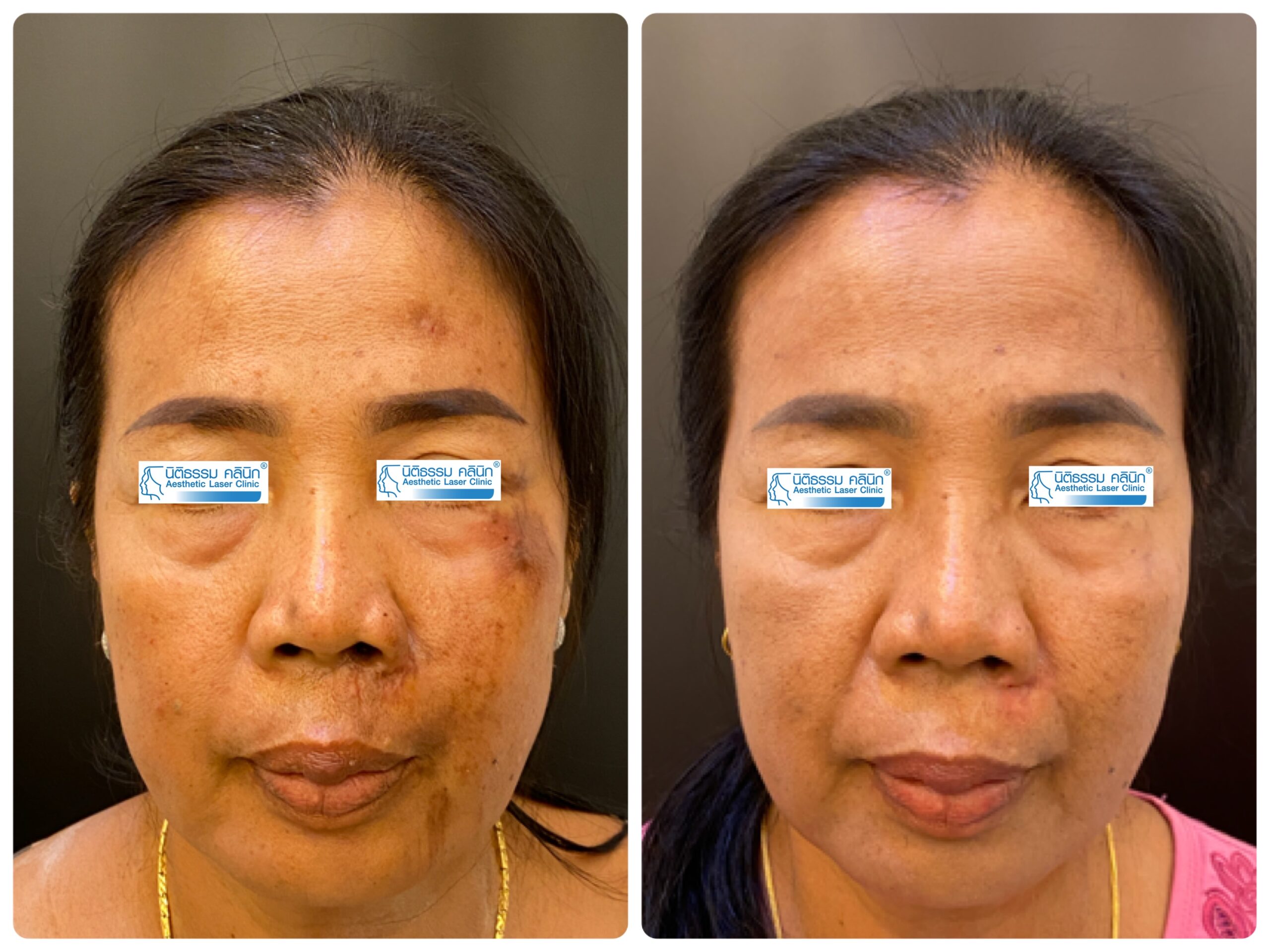
• New wounds are sensitive to sunlight. Sun exposure can easily cause dark spots (hyperpigmentation).
• It is recommended to use sunscreen with SPF 30 or higher and wear clothing to cover the wound area.
6. Additional treatments in case of early scar formation
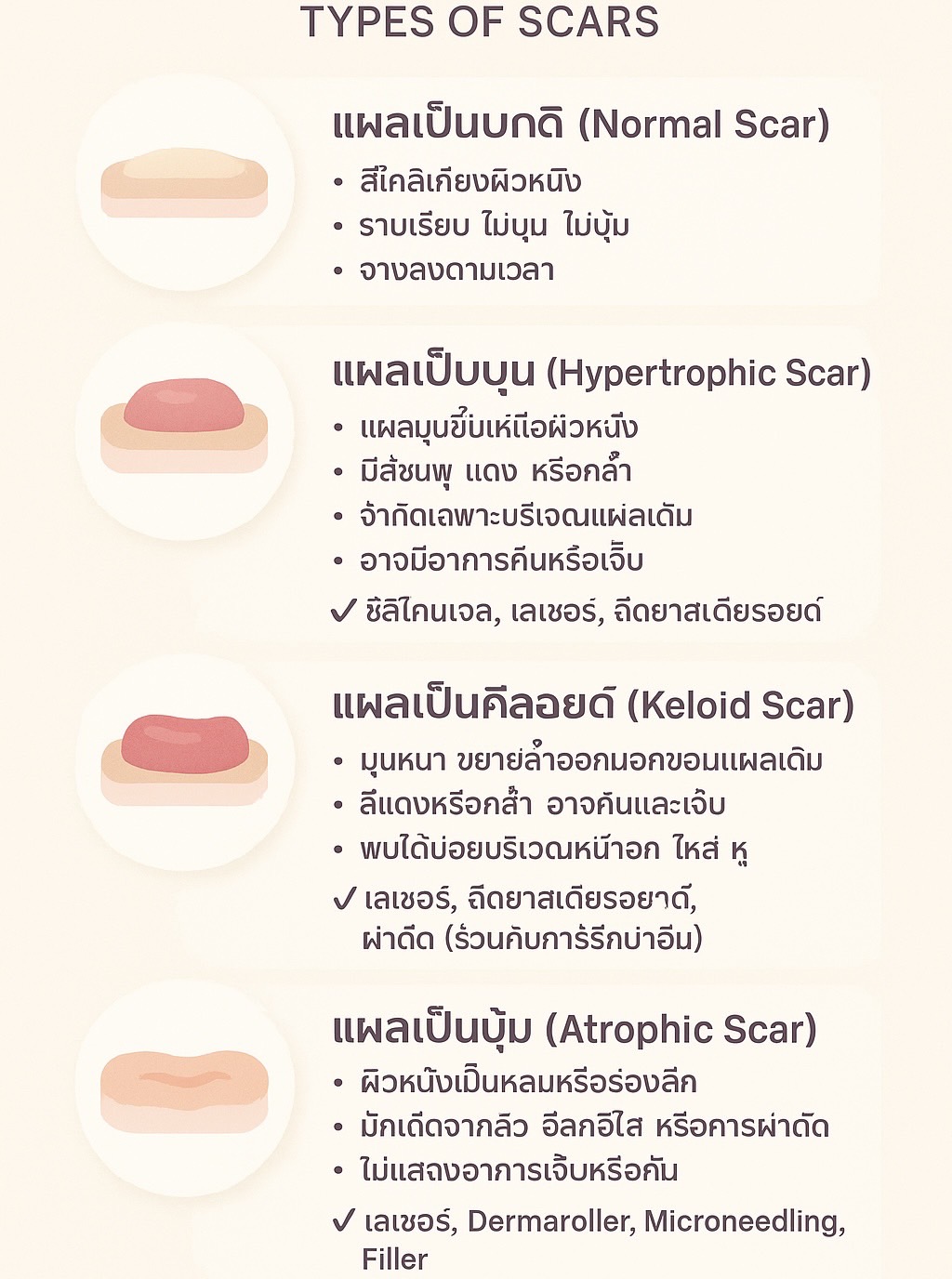
If raised or hard scars begin to form, you should consult a dermatologist. Possible treatments include:
• Steroid injection into the scar
• Scar reduction laser Pico laser, Endymed
• Radiofrequency for scar reduction SylfirmX
• Continuous use of silicone patches or gel