ปรึกษาแพทย์ ทาง LINE

กรุงเทพ & พิษณุโลก นิติธรรมคลินิก

Monday - Tuesday : 11:00 - 19:00
Thursday - Sunday : 11:00 - 19:00
Closed every Wednesday

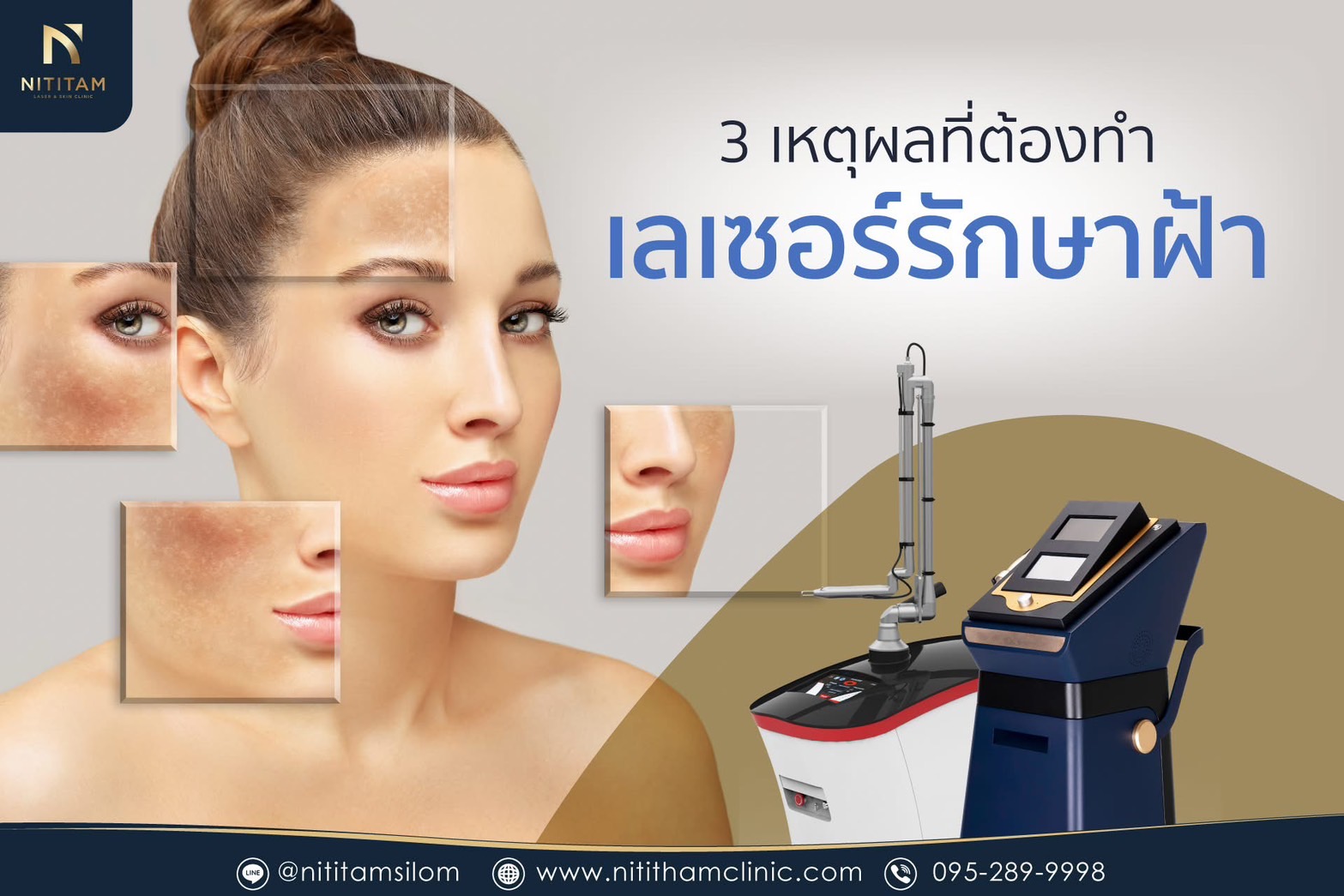
Personalized Melasma Laser Treatment Program at Nititham Clinic

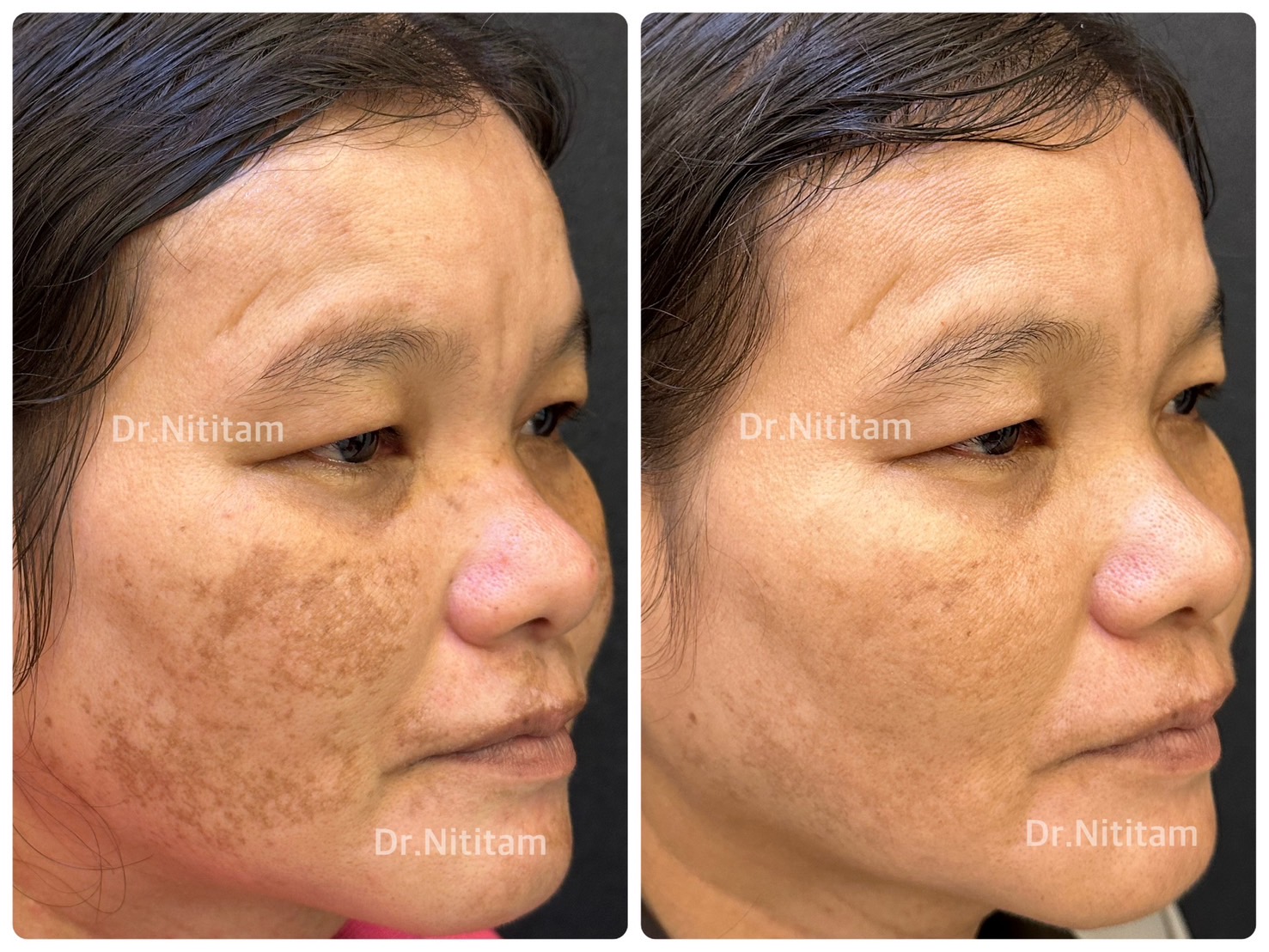
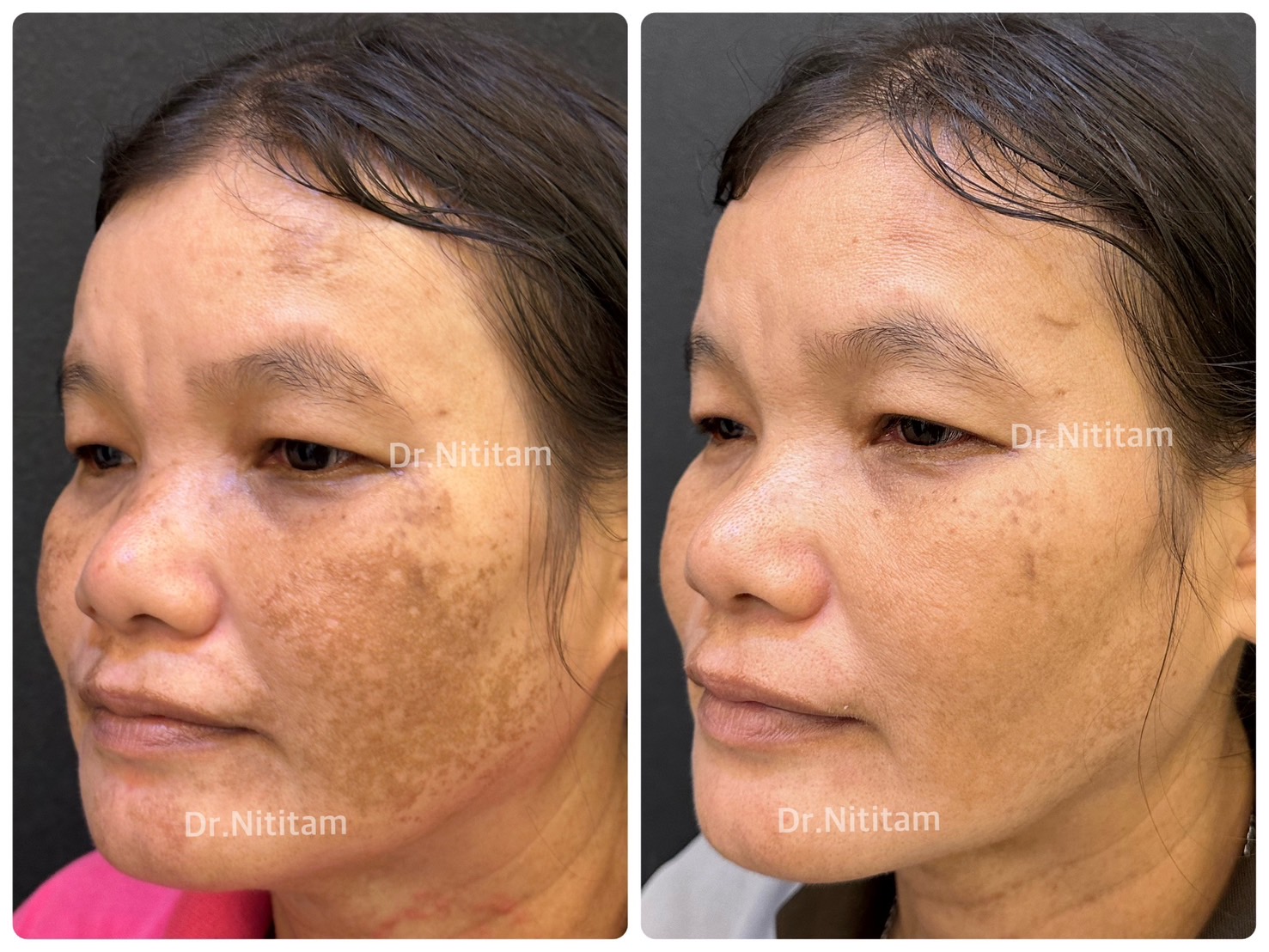
A melasma care laser program designed specifically for you. Whether it is epidermal, dermal, or mixed melasma, it can be appropriately managed. With our advanced laser technology, it helps reduce excess pigmentation while stimulating collagen production beneath the skin, promoting a smoother, clearer complexion to help you regain your confidence. Book your appointment now via LINE: @nititamclinic

Melasma

What is Melasma? Why Does It Occur?

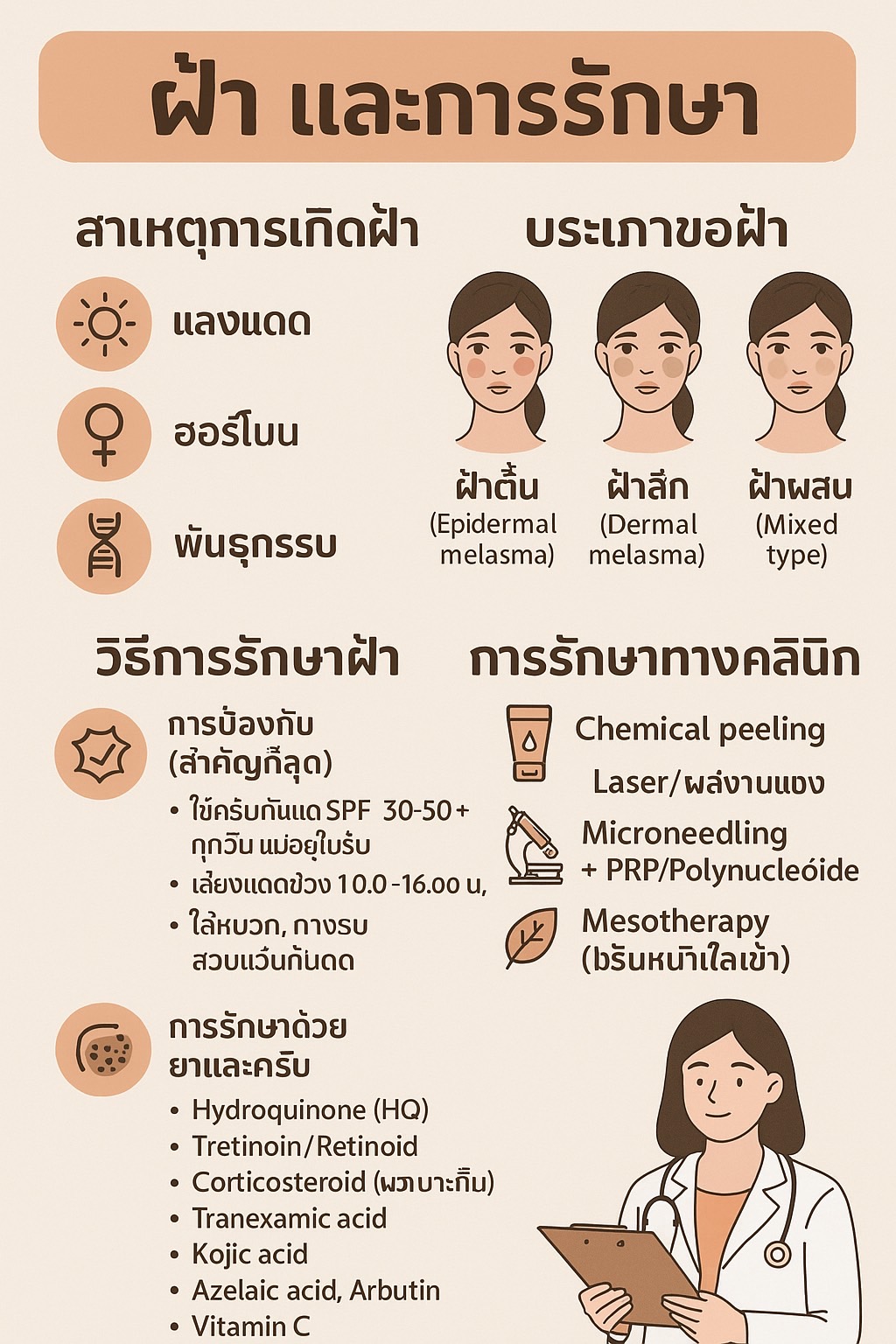
Melasma is a skin condition characterized by dark or brown patches on the face. It is caused by the abnormal overproduction of melanin pigment, with the following main triggering factors:

Causes of Melasma

  • Sunlight (UV radiation) – The most important trigger, stimulating melanocytes to produce more melanin.
  • Hormones – Commonly found in pregnant women (known as “pregnancy mask”) or those using birth control pills/hormone replacement therapy.
  • Genetics – Individuals with a family history of melasma have a higher risk of developing it.
  • Skin inflammation – Such as acne, harsh exfoliation, or allergic reactions to cosmetics
  • Environment and lifestyle – Heat, pollution, stress, and inadequate rest

Types of Melasma

Epidermal Melasma

Dark brown color with clear borders, responds well to treatment.

Dermal Melasma

Gray or bluish-brown in color, and responds more slowly to treatment.

Mixed Melasma

The most common type, consisting of both superficial and deep melasma.

Melasma Treatment Methods

1. Prevention (Most Important)

  • Apply sunscreen with SPF 30–50++ daily, even when indoors.
  • Avoid sun exposure between 10:00 AM and 4:00 PM.
  • Wear a hat, use an umbrella, and wear sunglasses.

2. Medication and Cream Treatments

  • Hydroquinone (HQ): Inhibits melanin production (use under medical supervision)
  • Tretinoin / Retinoid: Accelerates skin cell turnover
  • Topical Corticosteroid: Reduces inflammation (often used together in a triple combination formula)
  • Other ingredients: Tranexamic acid, Kojic acid, Azelaic acid, Arbutin, Vitamin C

3. Clinical treatments

  • Chemical peeling: Exfoliating the skin with fruit acids (AHA, TCA) to accelerate cell turnover
  • Laser/Light therapy: Such as Q-switched Nd:YAG, Picosecond laser, Fractional laser – used to reduce pigmentation, but must be performed by a medical specialist to avoid stimulating further pigmentation
  • Microneedling + PRP/Polynucleotide: Stimulates skin rejuvenation and reduces chronic melasma
  • Mesotherapy (Skin Brightening): Injecting vitamins or pigment-reducing agents into the skin

4. Adjunctive Treatments

  • Oral Tranexamic Acid (under medical supervision)
  • Antioxidant supplements (Vitamin C, E, Alpha Lipoic Acid, Glutathione)

Key principles in melasma treatment

  • Treatment takes time : Requires continuous care for 3–6 months or more
  • Control triggering factors : If frequently exposed to the sun, melasma can easily recur.
  • Combination treatments : Usually provide better results than a single treatment alone.
  • Follow-up with a doctor is required : To adjust the treatment plan for each individual

3 Reasons to Get 'Melasma Laser Treatment'

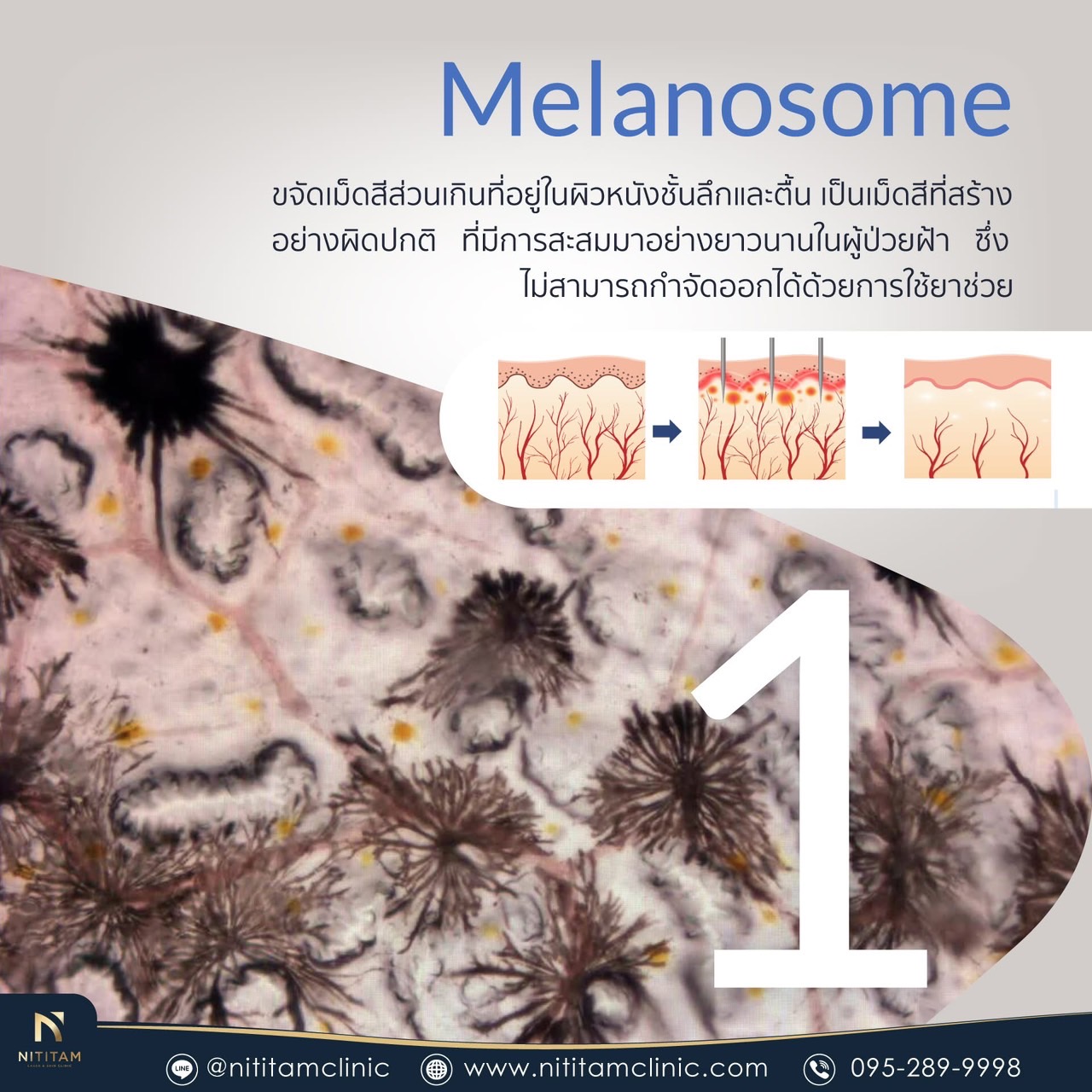
1. Melanosome

Eliminates excess pigmentation in both deep and superficial skin layers. These are abnormally produced pigments that have accumulated over a long period in melasma patients, which cannot be removed by medication alone.

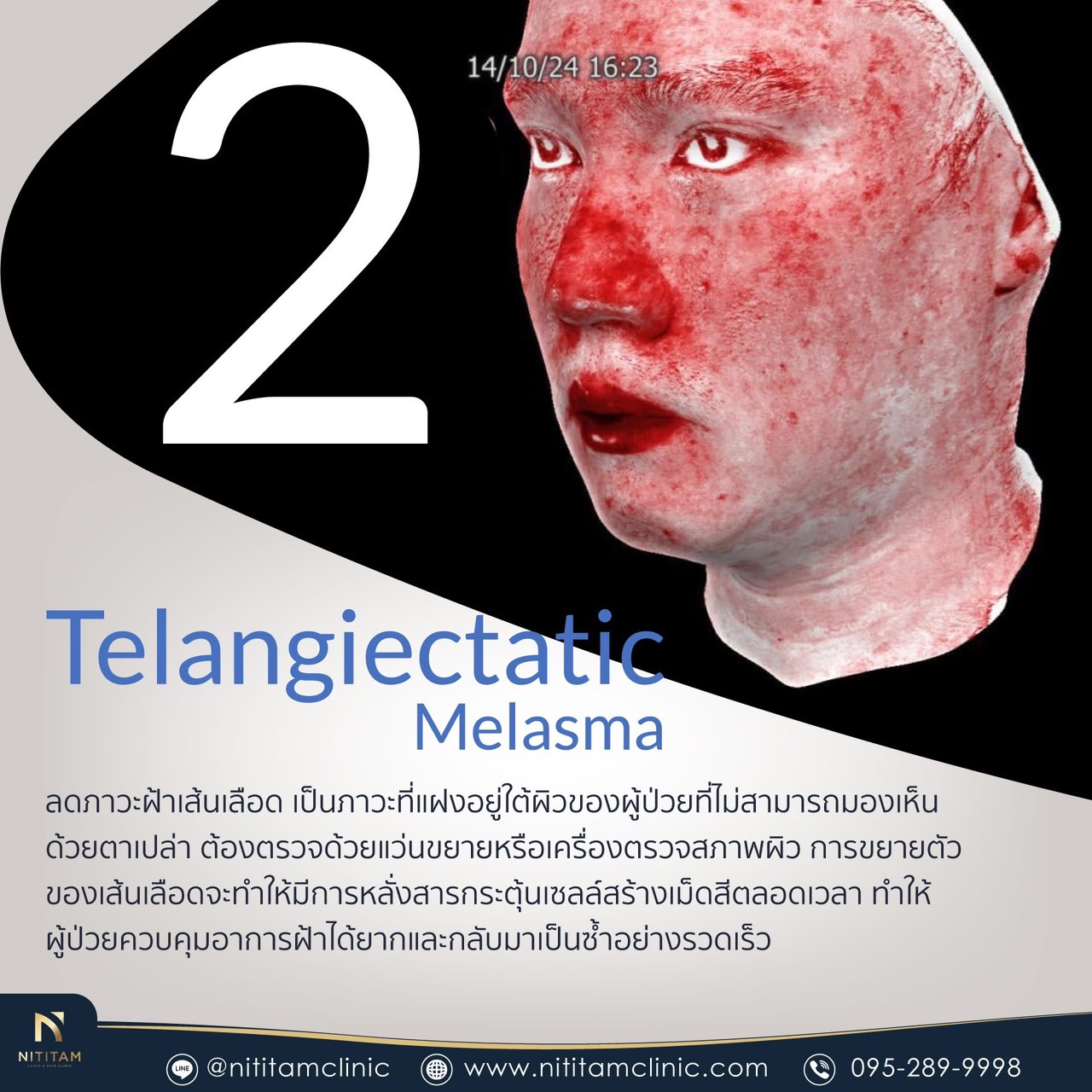
2. Telangiectatic Melasma

Reduces vascular melasma, an underlying condition beneath the patient’s skin that cannot be seen with the naked eye and requires examination with a magnifying glass or skin analyzer. The dilation of blood vessels continuously secretes substances that stimulate pigment-producing cells, making it difficult for patients to control melasma symptoms and causing rapid recurrence.

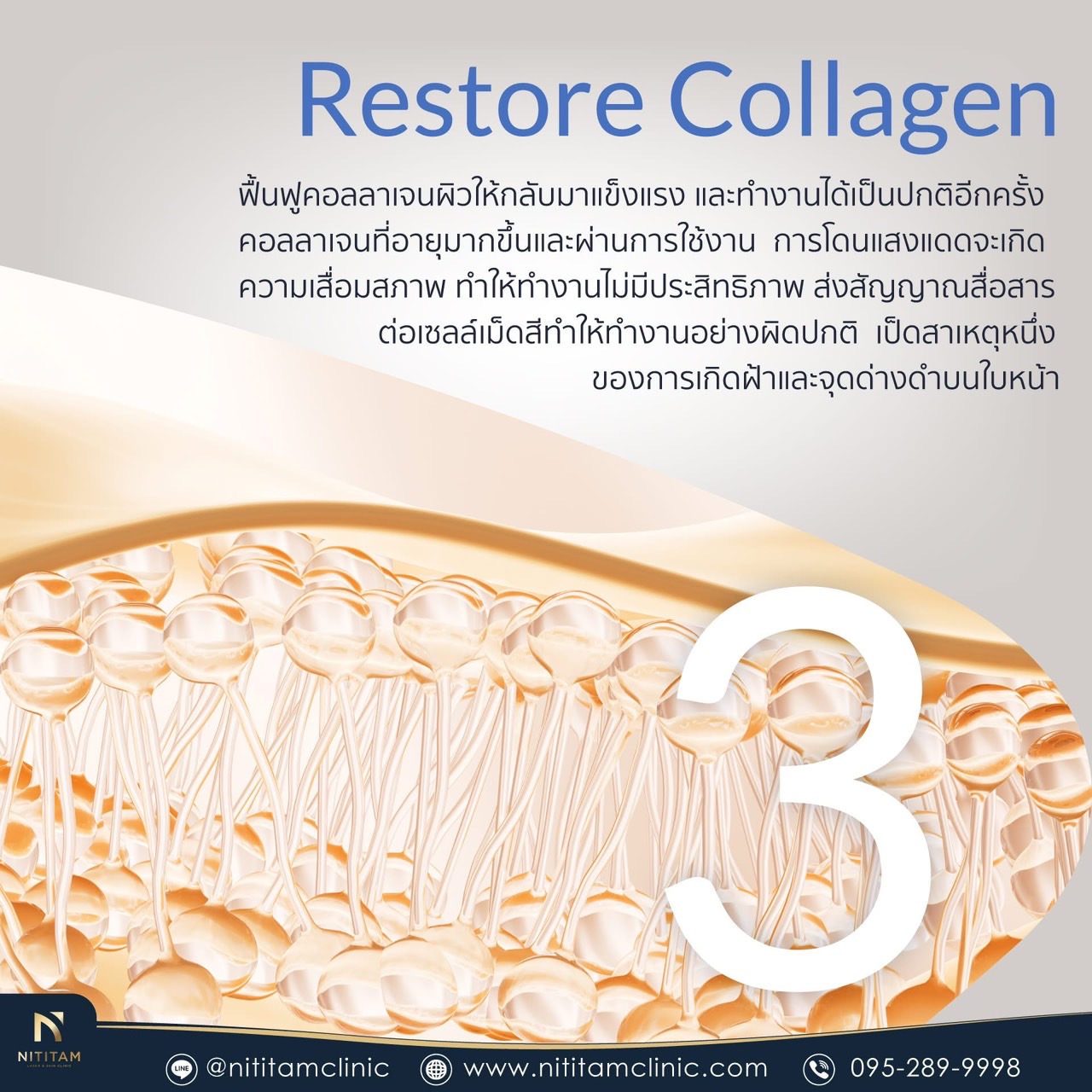
3. Restore Collagen

Rejuvenate skin collagen to restore its strength and normal function. Aging collagen and sun exposure lead to collagen degradation, reducing its efficiency. This disrupts cellular signaling to pigment cells, causing abnormal function, which is one of the causes of melasma and dark spots on the face.

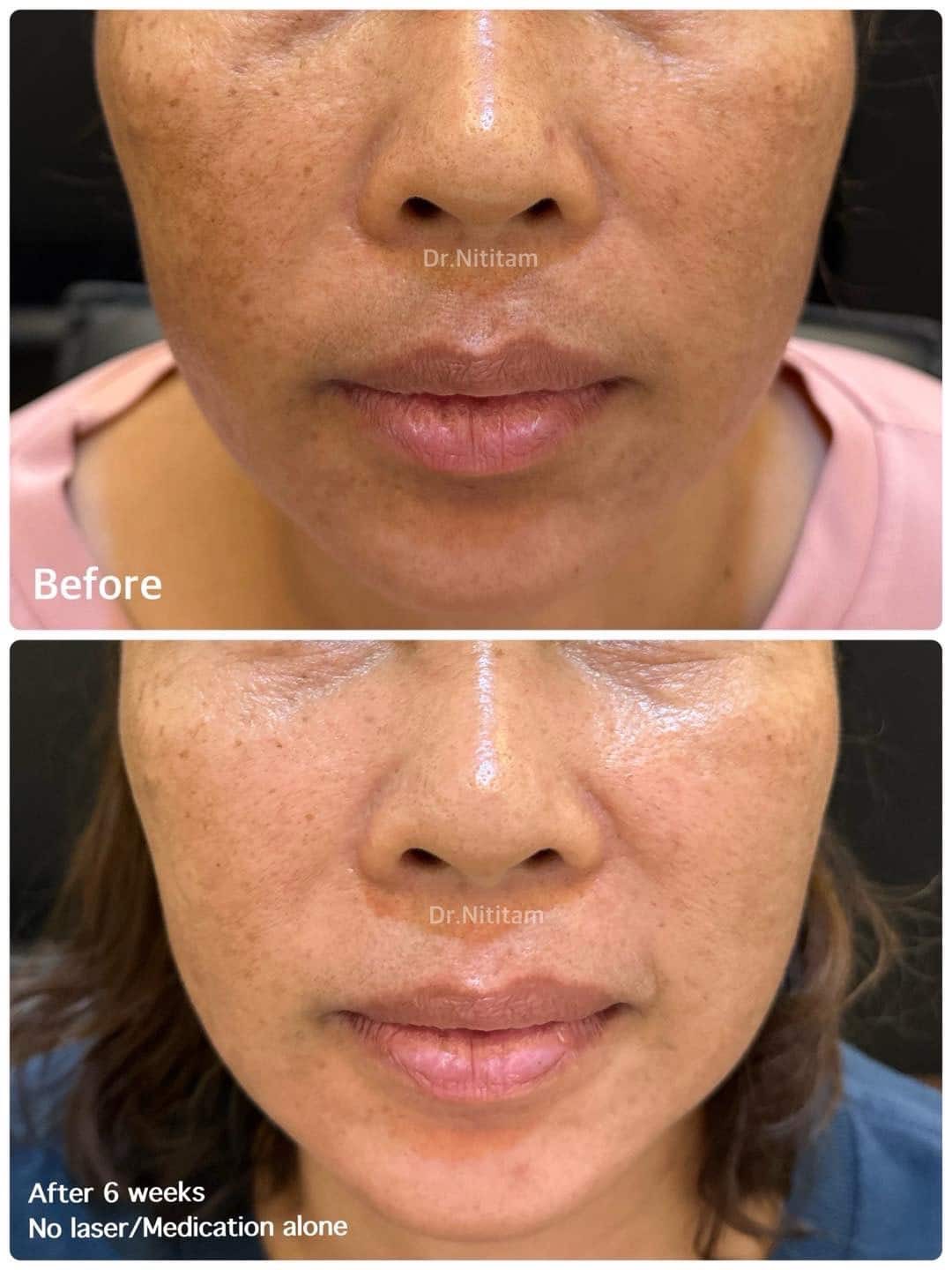
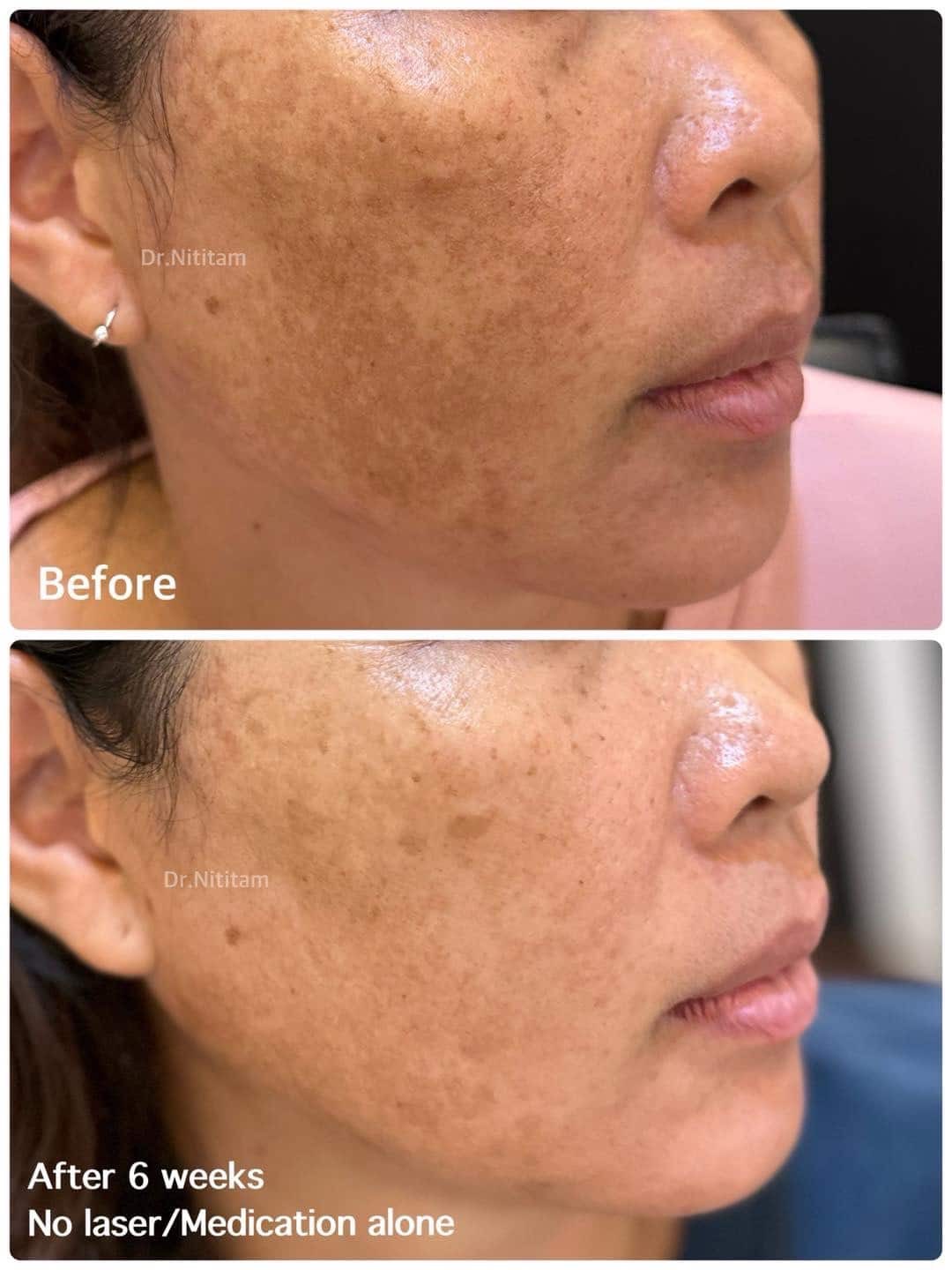
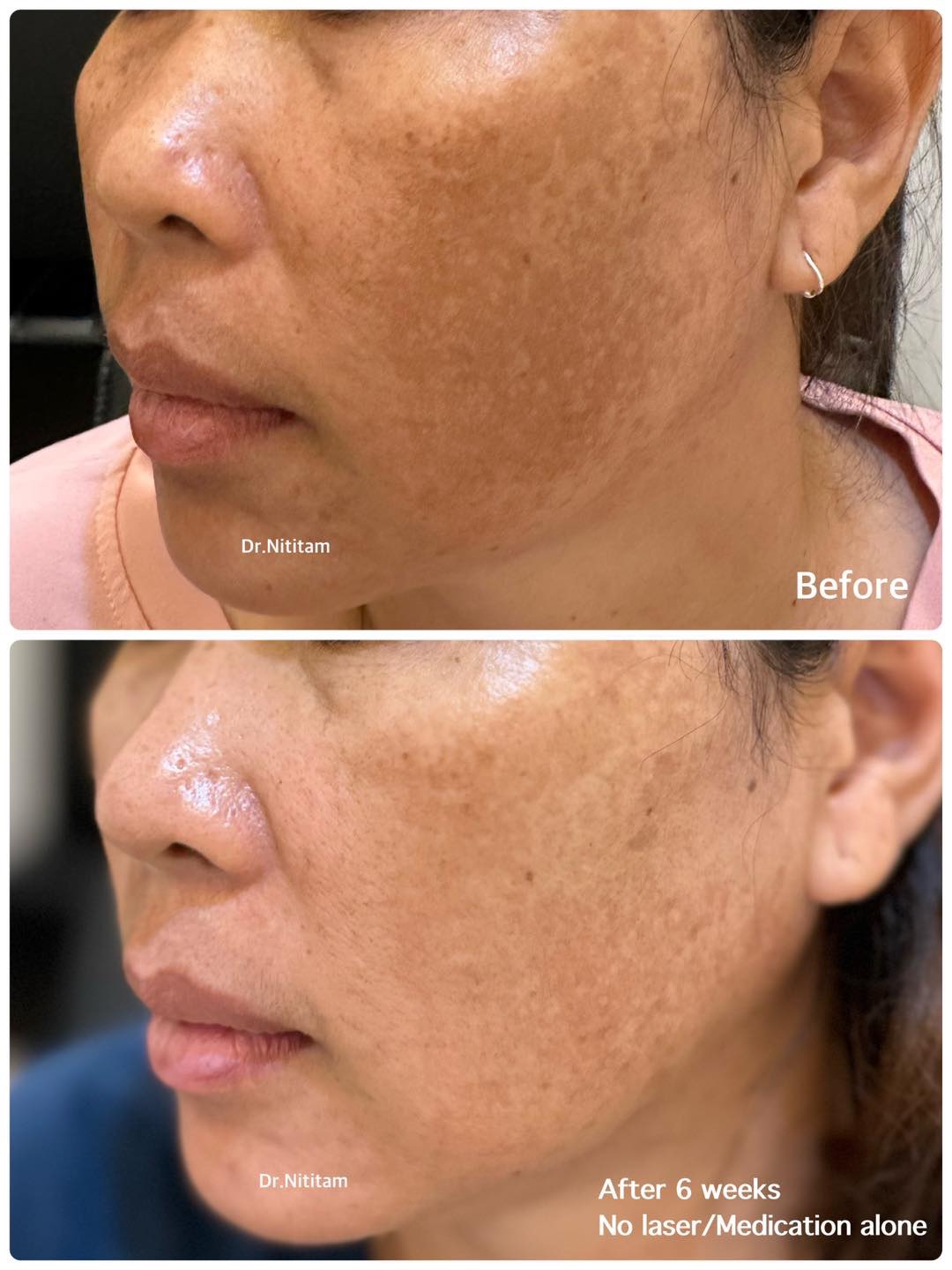
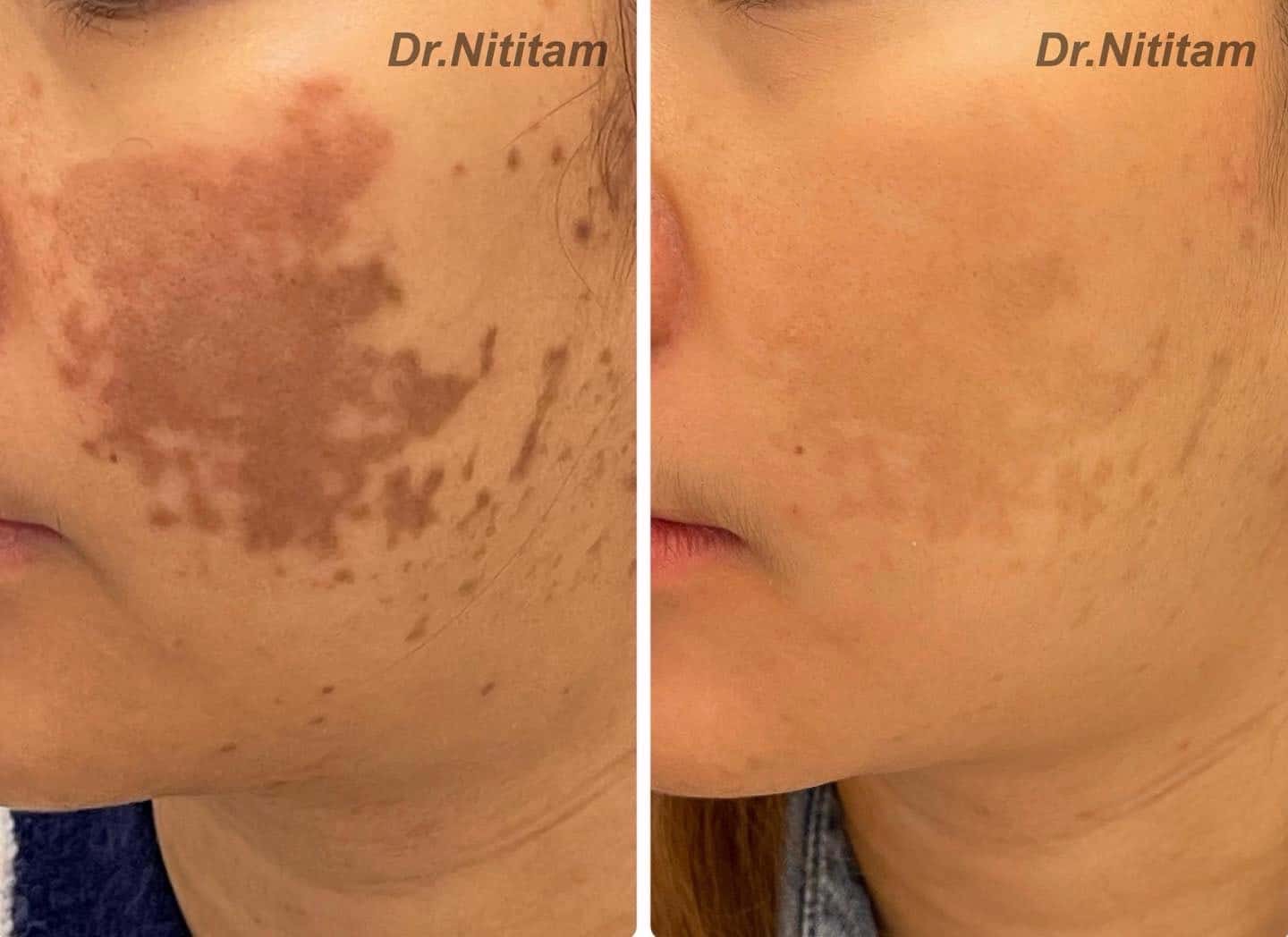
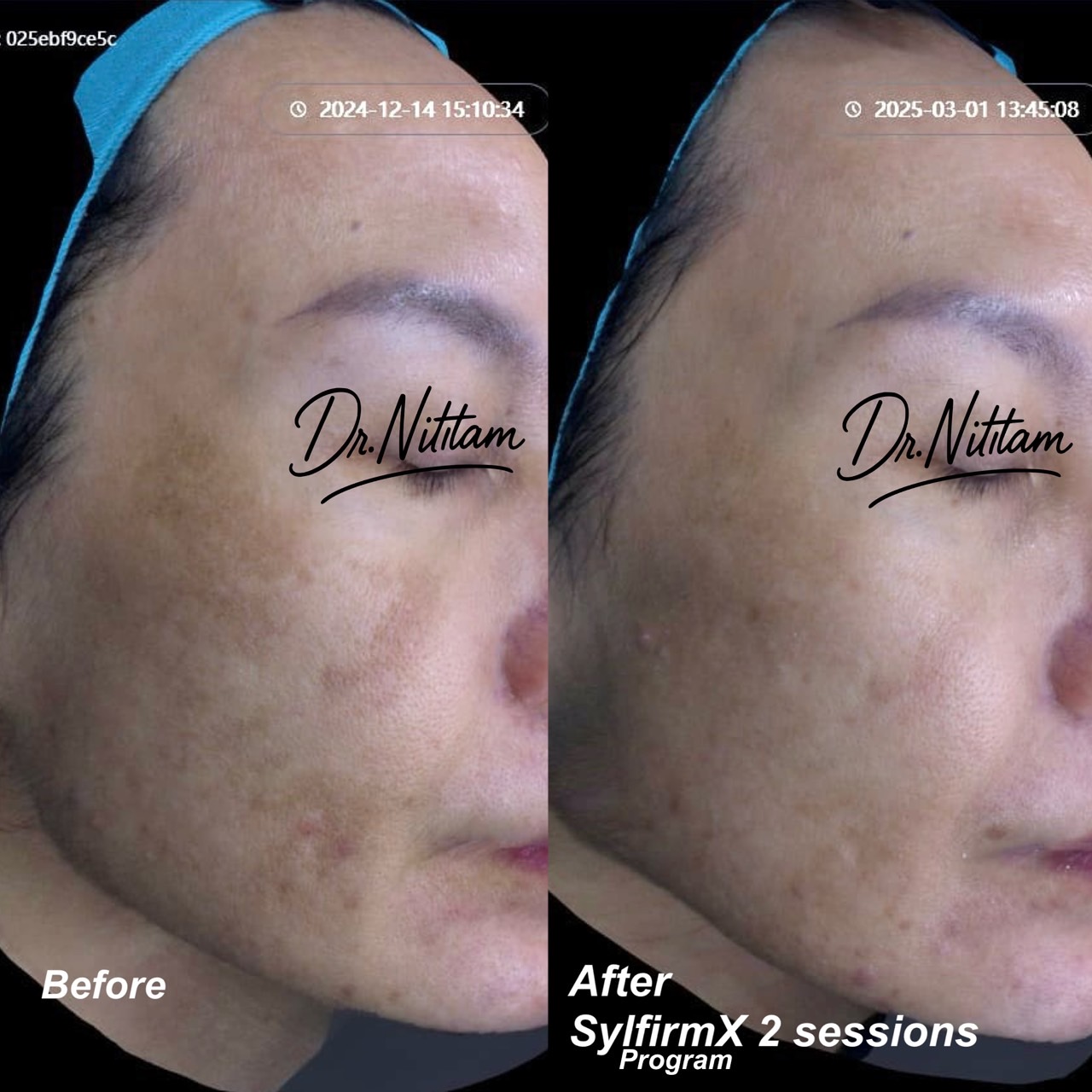
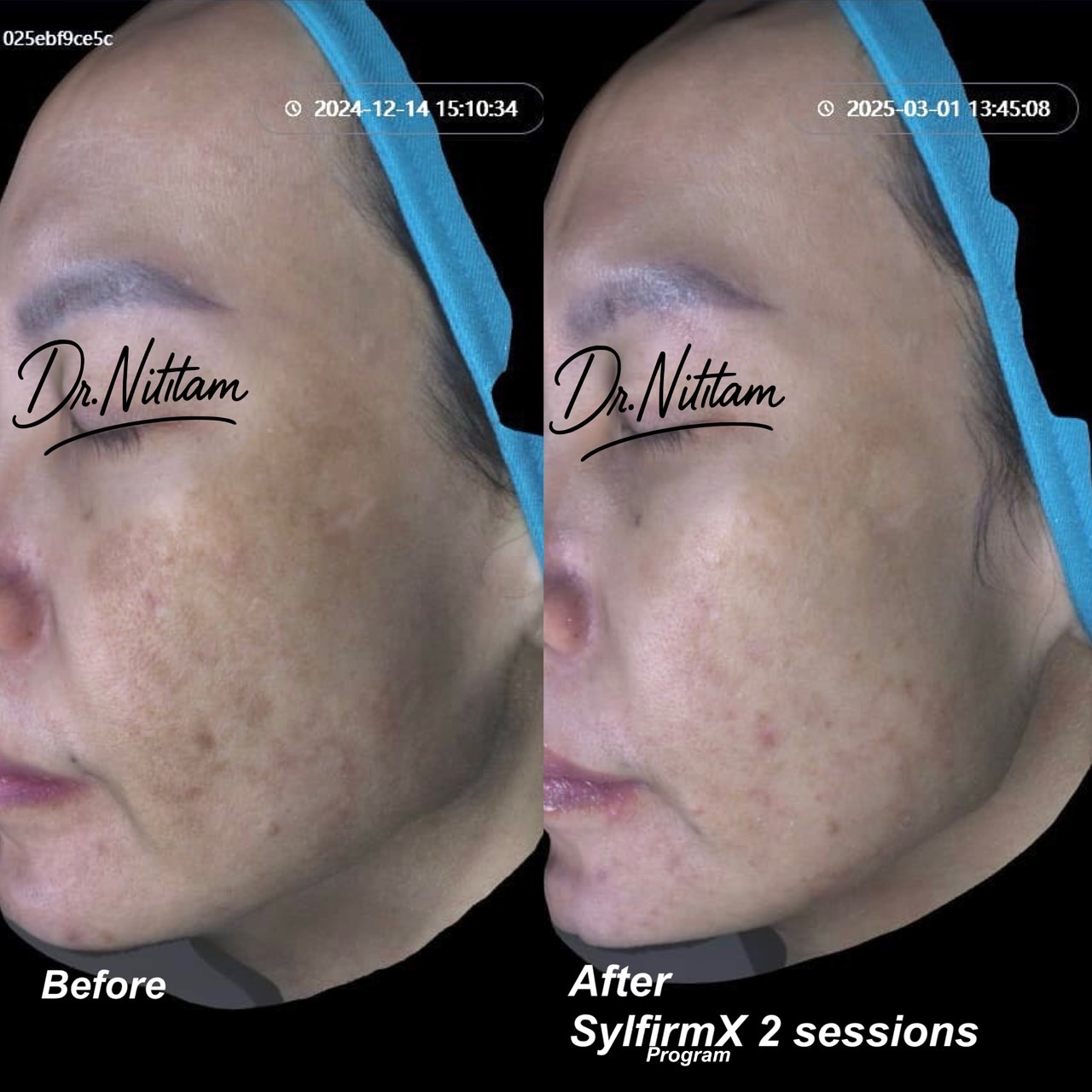
Treatment Results Review

นิติธรรมคลินิก

Book a doctor consultation and schedule your treatment.

At Nititham Clinic, available at both Phitsanulok and Bangkok (Silom) branches for your convenience.

> Check doctor schedules
> Find a branch near me

นิติธรรมคลินิก qr
นิติธรรมคลินิก

Book a doctor consultation and schedule your treatment.

At Nititham Clinic, available at both Phitsanulok and Bangkok (Silom) branches for your convenience.

> Check doctor schedules
> Find a branch near me

นิติธรรมคลินิก qr