


Monthly Hormonal Acne: How to Treat and Reduce the Chance of Recurrence
Many people notice breakouts recurring in the exact same spots every month. No matter how well you care for your skin, red, inflamed acne still appears about 7-10 days before your period and then subsides on its own. This monthly cycle is a sign that you are dealing with Hormonal Acne which develops through a distinctly different mechanism compared to regular acne.
What is hormonal acne and why does it recur every month?
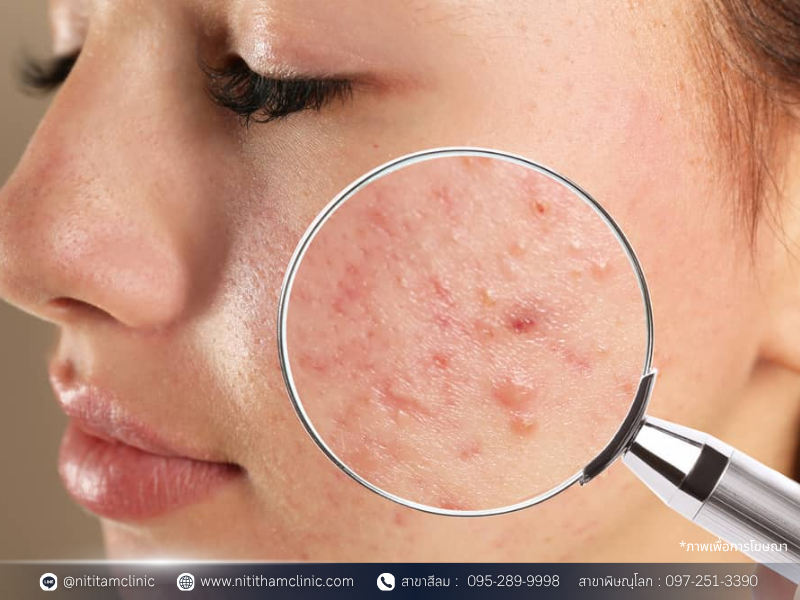
Hormonal Acne It is caused by fluctuations in the body’s hormone levels, especially before menstruation. Progesterone and androgen hormones increase, causing the sebaceous glands under the skin to produce excess oil. This makes pores more prone to clogging and ultimately leads to inflammatory acne.
This mechanism repeats according to the body’s hormonal cycle. Therefore, even if the acne subsides on its own, it will return in the next cycle if not properly managed.
Common areas
Hormonal acne typically appears aroundthe lower cheeks, chin, jawline, and neck unlike regular acne, which often appears on the forehead and nose
Signs That Indicate Hormonal Acne
- Breakouts appear 1-2 weeks before menstruation and subside afterward.
- Recurring breakouts in the same spot or nearby areas every month.
- Often presents as large, red, inflamed bumps that are tender to the touch, and sometimes as cystic acne under the skin.
- Unusually oily skin before your period.
- Acne keeps returning in cycles despite a consistent skincare routine.
Why skincare alone is not enough.
Hormonal acne is caused by internal factors. Cleansers and acne spot treatments help care for the outer layer of the skin, but they cannot directly balance hormones or control the function of the sebaceous glands beneath the skin.
This is why many people feel that despite taking good care of their skin, acne still consistently returns every month.
Doctor-supervised hormonal acne treatments
Individual skin conditions and hormonal cycles. The commonly used approaches are as follows:
Laser and Light Therapy
1. ADVA Tx Program A dual-wavelength laser system combining 589 nm and 1,319 nm wavelengths in a single device. The 1,319 nm wavelength penetrates deep into the sebaceous glands to help control excess oil production, which is one of the main causes of hormonal acne. Meanwhile, the 589 nm wavelength helps reduce P. acnes bacteria and redness from inflammatory acne simultaneously. This device is US-FDA and CE cleared for the treatment of acne and related skin conditions. Results may vary depending on individual skin conditions and the physician’s assessment.
2. Acne Light Therapy Program Helps reduce P. acnes bacteria and skin inflammation. Suitable for active inflammatory acne.
Medical Treatment Under a Doctor’s Supervision
The doctor may consider prescribing topical or oral medications as appropriate for each case, such as retinoids, antibiotics, or hormonal medications in some instances. This depends on a direct assessment by the doctor.
Post-Acne Mark Care
Hormonal acne that repeatedly becomes inflamed in the same spot often leaves behind acne marks and scars. Programs that help address these include:
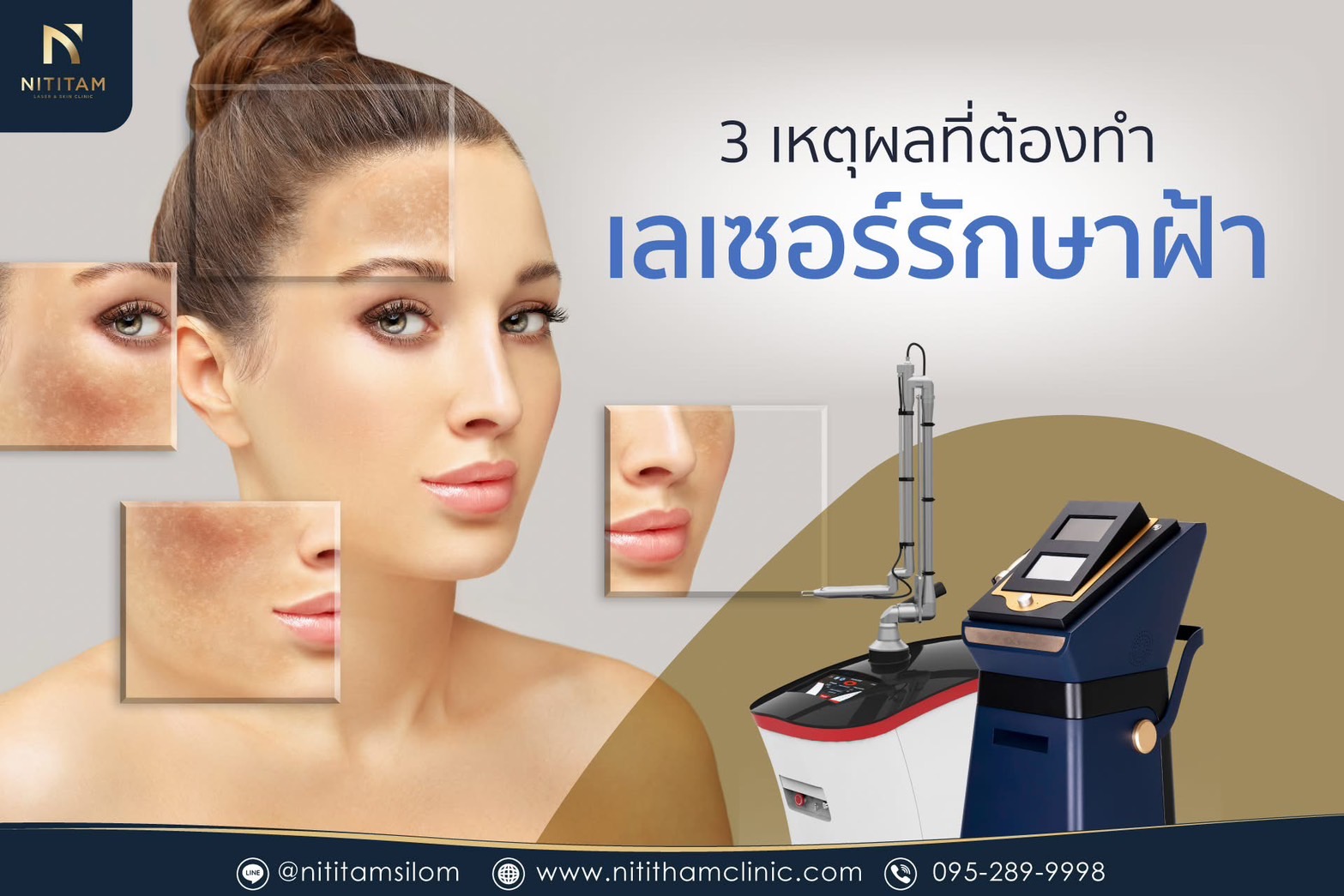
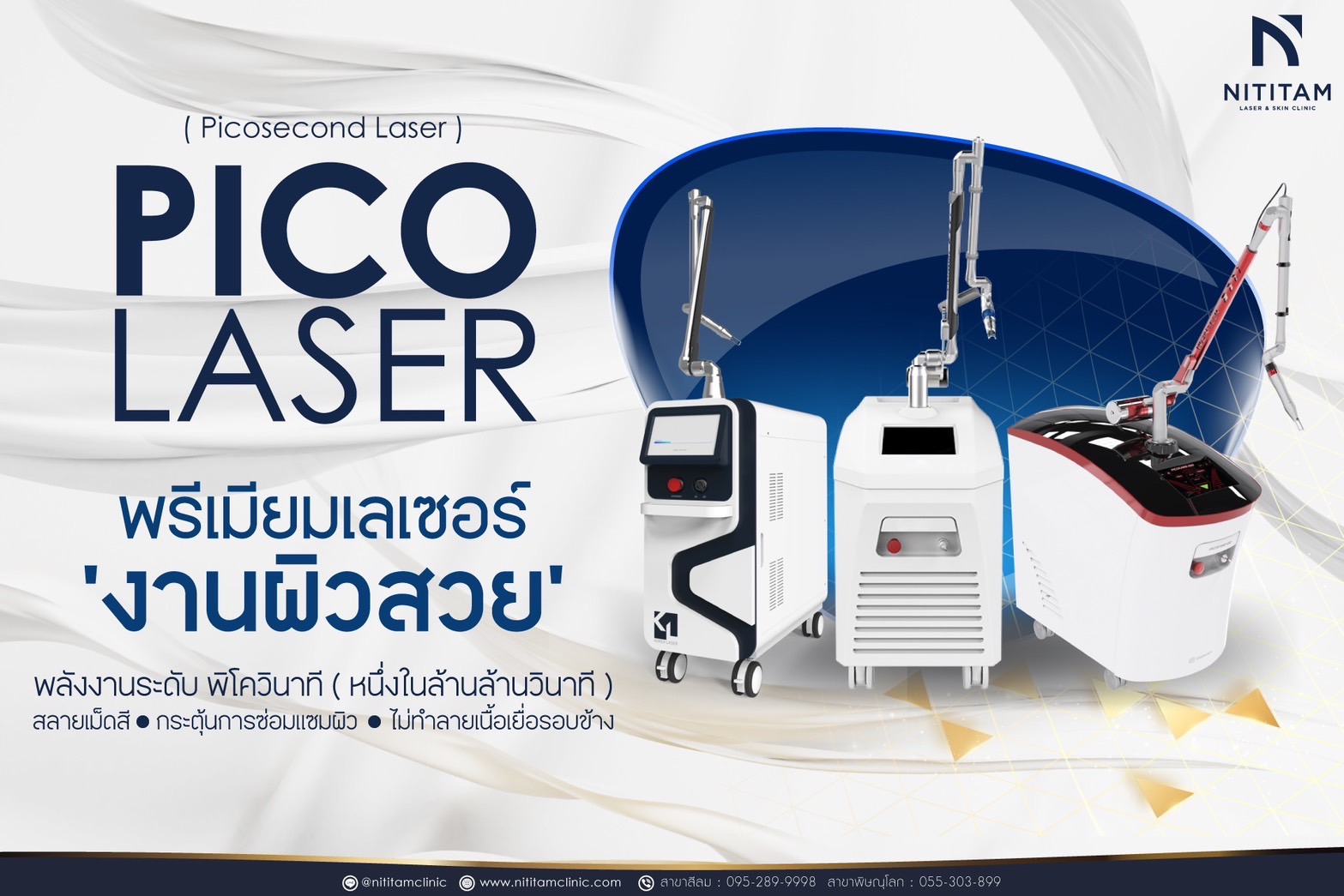
- Pico Laser Program For acne scars requiring collagen stimulation in the deeper layers of the skin.
- SylfirmXPlus Program For post-acne redness and dark spots
We recommend consulting a doctor at the clinic or inquiring via LINE https://lin.ee/mxQAzch first to receive recommendations on a treatment program tailored to your individual acne and skin concerns.
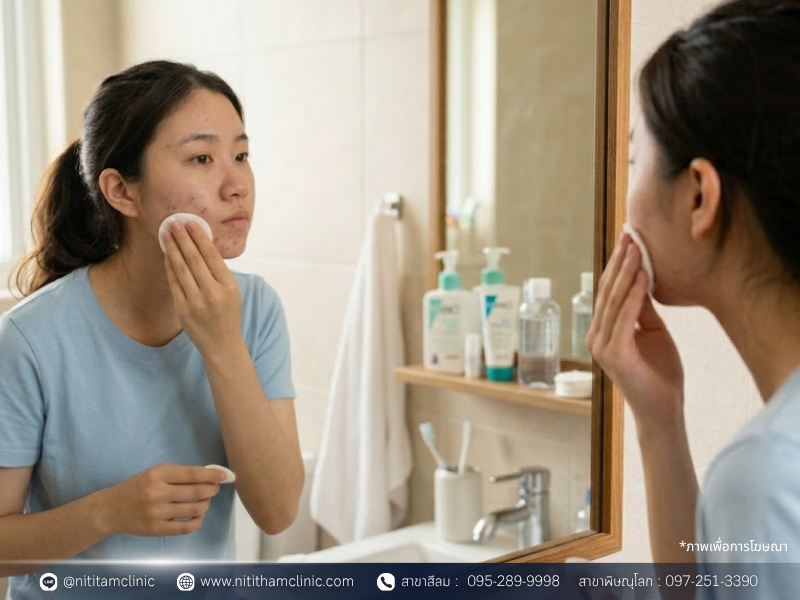
How to care for your skin between treatments
Even while undergoing a treatment plan with your doctor, proper home care can help improve your skin’s recovery.
What to do
- Cleanse your face with gentle, non-comedogenic products.
- Use a lightweight, oil-free moisturizer.
- Apply sunscreen daily to reduce the risk of acne marks darkening from sun exposure.
- Get enough sleep, as sleep deprivation affects cortisol levels, which can stimulate the sebaceous glands.
- Monitor foods that may trigger acne, such as milk and dairy products, high-sugar foods, and refined carbohydrates.
Things to Avoid
- Popping or picking at pimples yourself, especially large inflamed acne, increases the risk of permanent scarring and acne pitting.
- Frequently changing skincare products, as it can cause skin irritation and imbalance.
- Using multiple products with active ingredients simultaneously.
How Nititham Clinic Treats Hormonal Acne
Nititham Clinic provides services at both the Phitsanulok and Bangkok (Silom) branches. It is overseen by Dr. Nititham Rattakasikorn (Medical License No. 37602), who has over 10 years of experience in dermatology and lasers. He personally provides consultations and treatment plans for every case.
Hormonal acne treatment at the clinic begins with a thorough assessment of the skin condition and acne patterns to create a personalized treatment plan for each individual.
Frequently Asked Questions About Hormonal Acne
Can hormonal acne be cured?
Hormonal acne can be effectively managed and the likelihood of recurring breakouts significantly reduced when the root cause is addressed. However, results vary depending on individual skin conditions and hormonal levels.
How many treatments are required to see results?
The appropriate number of sessions depends on the doctor’s assessment, as it varies for each individual case.
How does hormonal acne differ from regular acne?
Hormonal acne has a distinct pattern: it recurs during the menstrual cycle, appears in specific areas, and is often deep and inflammatory. This differs from regular acne, which may be caused by clogged pores, skincare products, or environmental factors.
Recurring monthly hormonal acne is not something you have to endure or ignore. Consulting a doctor to identify the root cause and develop an appropriate treatment plan is a crucial first step in helping to reduce the chances of breakouts returning.
Don’t let skin problems bother you! Reach out to consult with our doctors at Nititham Clinic. We are ready to care for everyone with genuine concern, aiming for healthy skin results you can feel confident about. Book an appointment or inquire for more information at:
📍 Nititham Clinic, Phitsanulok Branch
- Tel: 097-251-3390
- LINE: https://lin.ee/mxQAzch
📍 Nititham Clinic, Bangkok Branch (Silom)
- Tel: 095-289-9998
- LINE: https://lin.ee/kUu8NAt
Follow us for news and promotions:
- Facebook: Nititham Clinic