


Hair Loss, Thinning Hair, and Genetic Baldness
Hair loss and thinning hair are common problems for most people. Many may spend a lot of time and money continuously treating hair loss. But do you know what actually causes hair loss? Today, Nititham Clinic has the answers for you here…
Male Pattern Baldness
Increased male hormones during puberty
Male hormones, or Testosterone, accelerate the shortening of the hair’s lifespan at the temples, above the forehead, and at the crown, causing hair to fall out more quickly.

In men with genetic baldness, hair follicles contain the 5a-reductase type 2 enzyme, which converts Testosterone into Dihydrotestosterone (DHT). DHT has a stronger androgenic effect than Testosterone, causing hair in these areas to shed prematurely. The hair gradually becomes thinner and shorter, and the hair follicles eventually atrophy.
Why Do Genetics Affect Male Pattern Baldness?
Genetics are inherited as a dominant trait and may determine the characteristics of hair follicles. Studies show that hair root cells at the temples and crown have 1.5 times more androgen receptors than those at the back of the head. This causes hair to gradually fall out and thin over time. Some individuals may experience related issues.Patchy hair loss May cause a loss of self-confidence
Age and scalp inflammation contributing to baldness
Advancing age and chronic scalp inflammation can lead to increased hair loss. Conditions such as yeast-induced scalp inflammation, malnutrition, or even sun exposure and stress can also be contributing factors.
Female Pattern Baldness
Hormonal Imbalance in Women
Female pattern baldness affects 10-40% of the population. Most cases of hair loss in women are caused by hormonal imbalances, underlying medical conditions, stress, or allergic reactions to medications.

The characteristics of female pattern baldness do not include a receding hairline. Instead, hair thinning occurs at the center of the scalp and gradually expands, potentially leading to baldness. If a receding hairline is present, it is typically congenital and not caused by hereditary hair loss.
Signs of Hereditary Hair Loss
The early signs of hereditary hair loss begin with excessive hair shedding. This can be observed by counting the number of hairs lost in a day. Losing more than 100 hairs daily is considered excessive, and it is advisable to consult a doctor for treatment before the condition progresses to baldness.
Subsequently, if you notice hair thinning at the crown or a receding hairline in men, you should consult a doctor to determine the underlying cause. In men, these symptoms are highly indicative of hereditary hair loss. However, in women, such patterns may not necessarily be caused by genetics.
Nevertheless, women experiencing these symptoms should still seek medical advice, as the hair loss could be attributed to scalp conditions, medication allergies, stress, or potentially serve as a side effect of severe illnesses such as cancer.
Treatments for Genetic Hair Loss, Thinning Hair, and Baldness
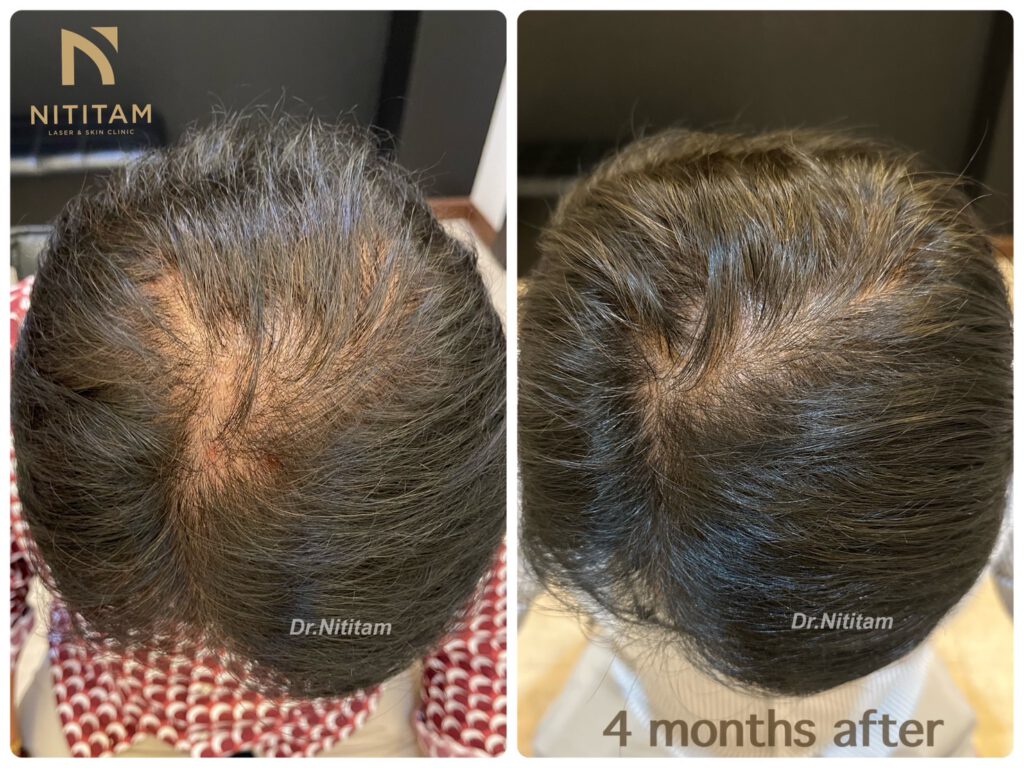
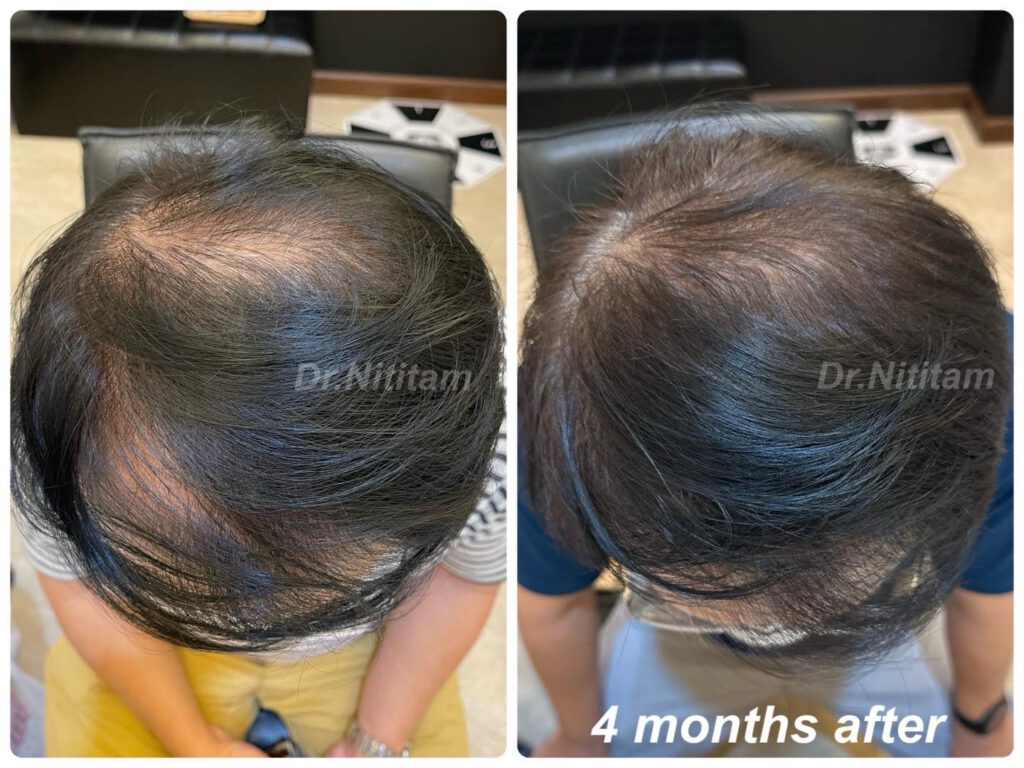
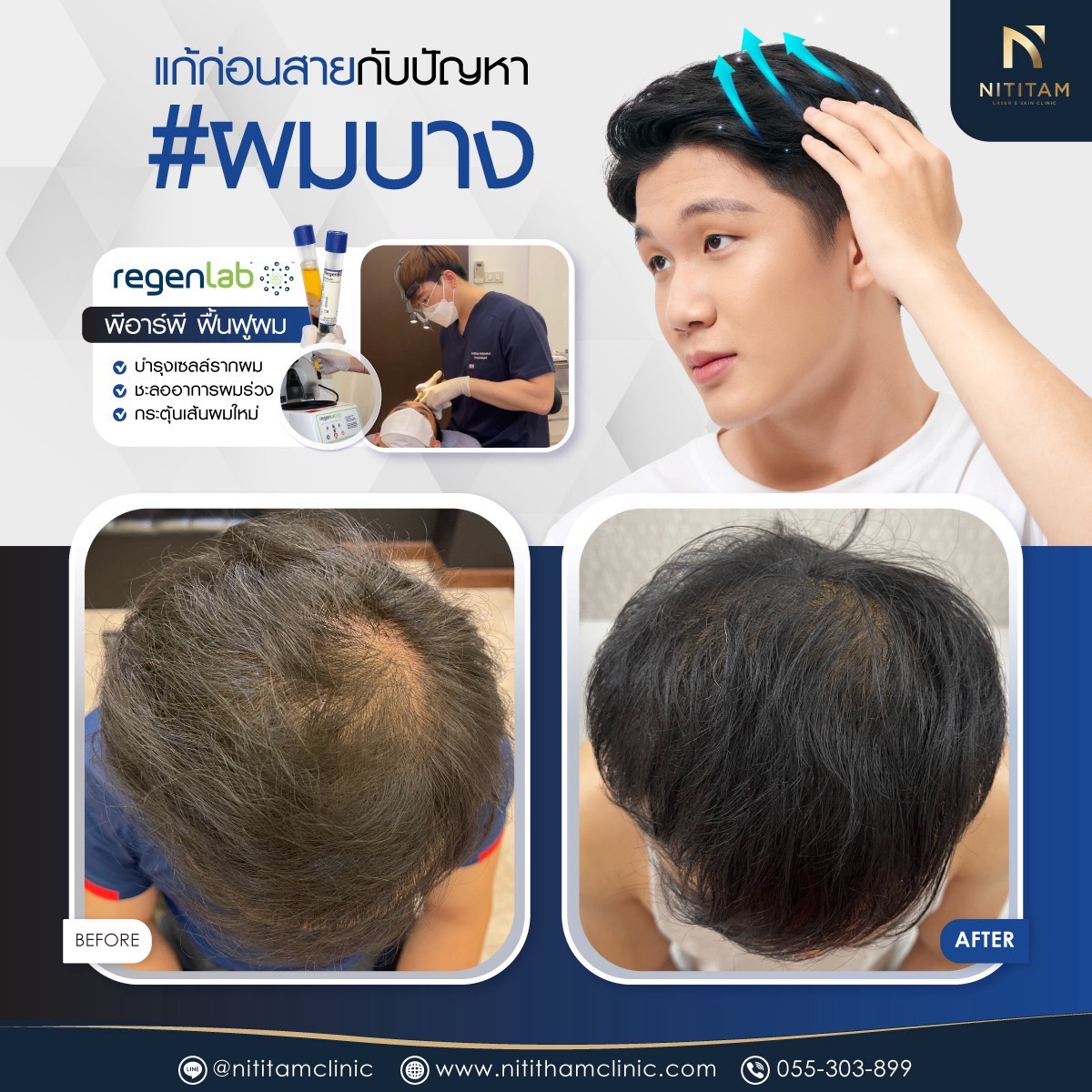
Solutions for Hair Loss and Thinning Hair Treating genetic baldness: Early detection makes treatment easier without the need for hair transplant surgery. Learn about other hair loss treatments:
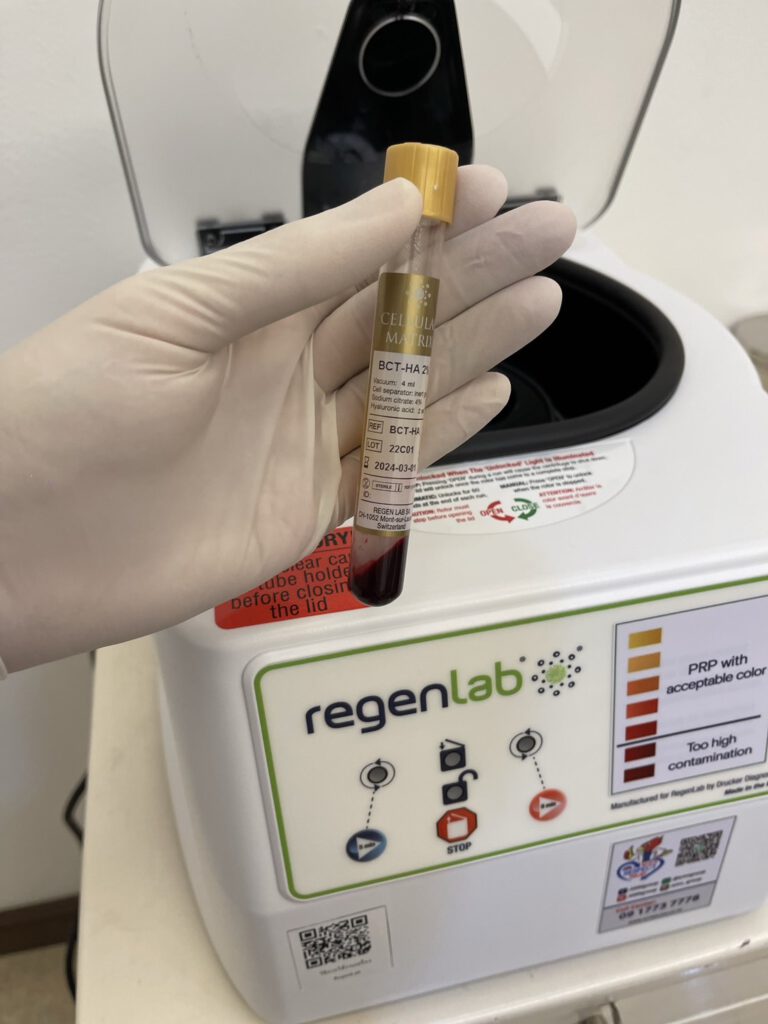
- RegenLab PRP Platelet Injection
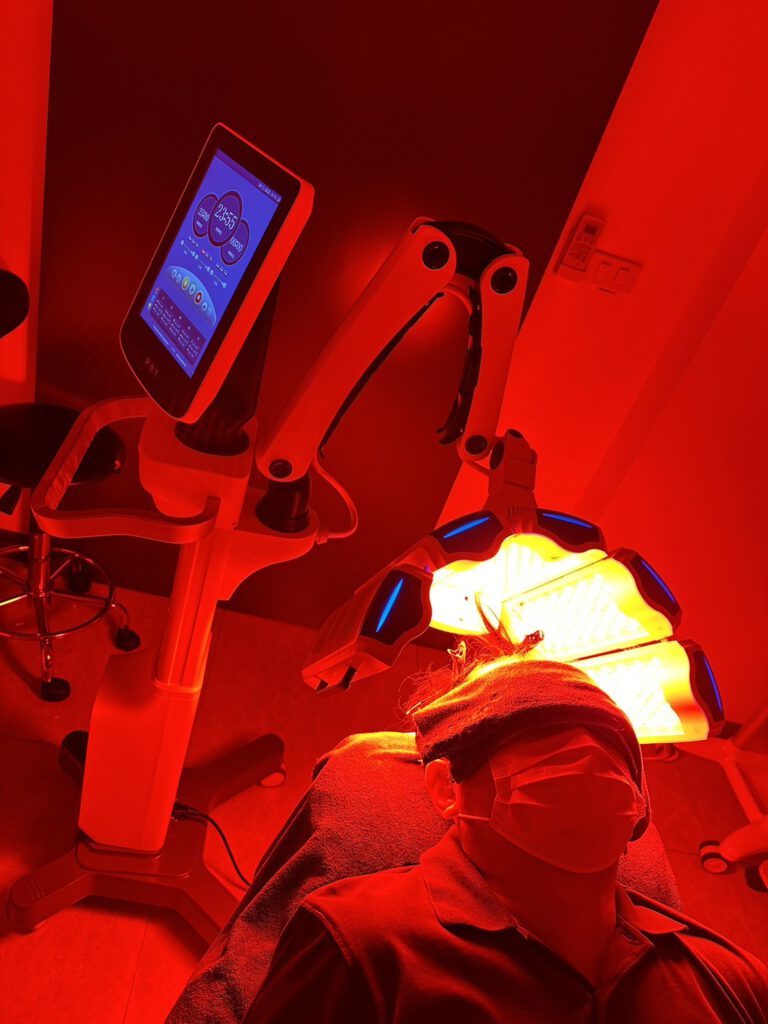
- LLLT Laser
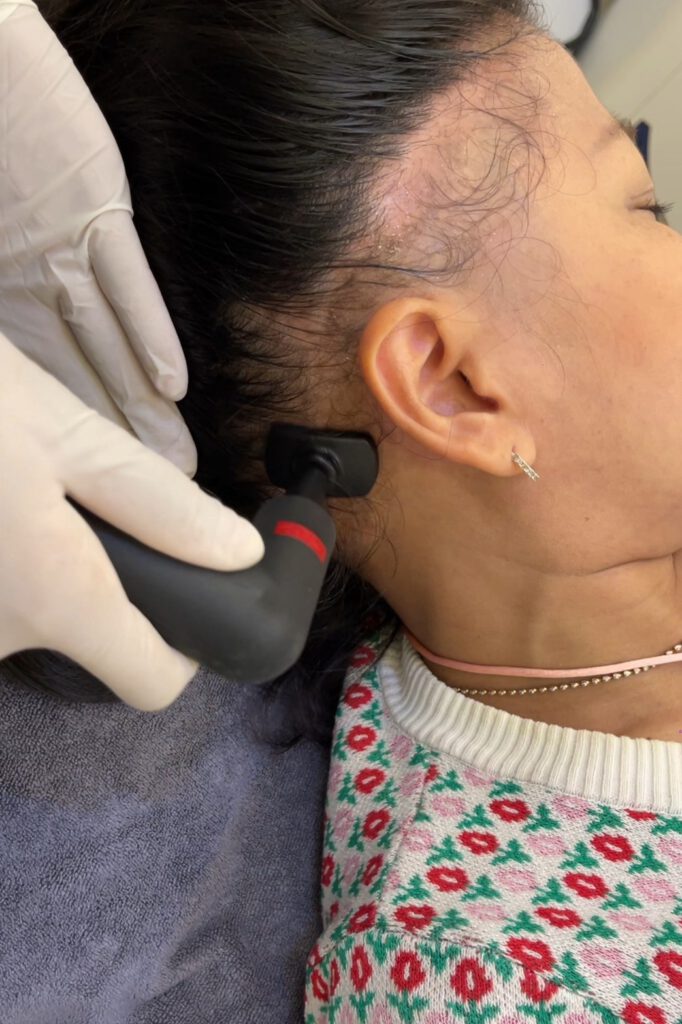
- RF Radio Frequency 488Hz
- Hair Loss and Thinning Hair Medication