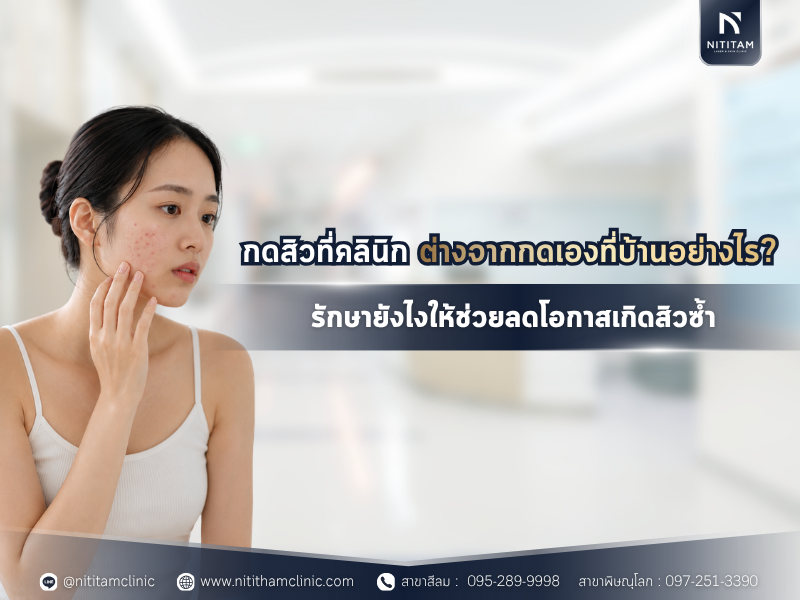



Why Do Comedones Keep Appearing in the Same Spot? Exploring the Causes and Care Methods Before They Become Inflamed Acne
Comedones that heal only to return in the exact same spot are a common concern for many. You may wonder why a specific pimple never seems to completely disappear, or why it vanishes temporarily only to recur in the same location. This article explores the skin’s structure and the triggering factors behind this recurring acne cycle, providing proper medical-based care guidelines to help reduce the likelihood of future inflamed acne.
The Structure of Comedones
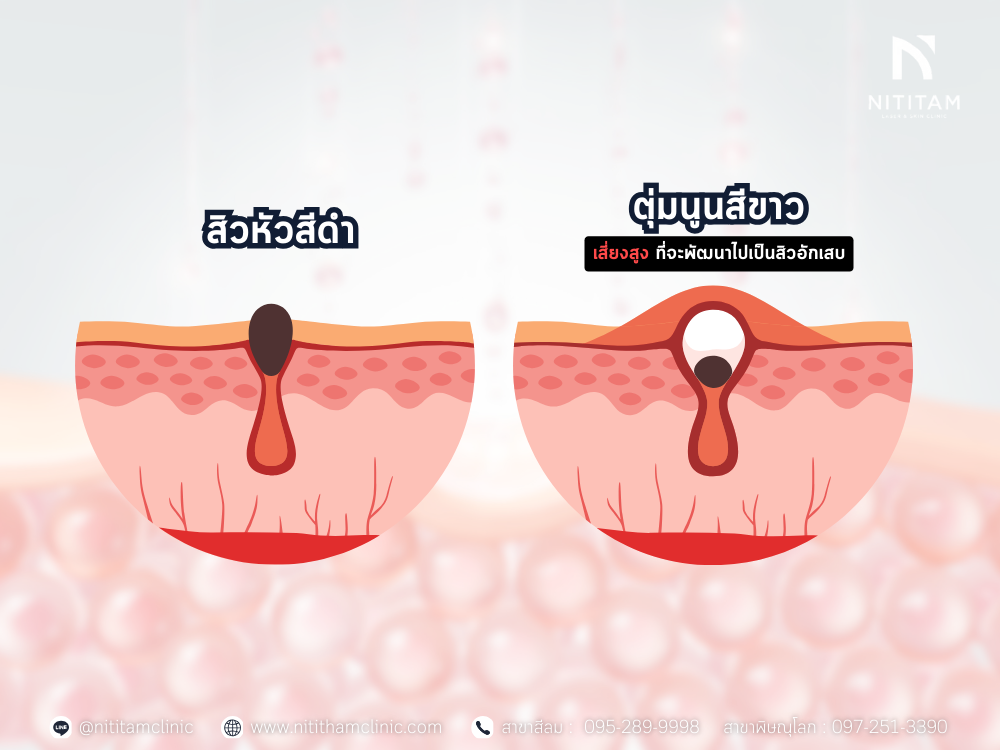
Comedones are formed when excess sebum combines with dead skin cells, creating a blockage within the pores.
- Open pores appear as blackheads
- Closed pores appear as white bumps
This second type carries a high risk of developing into inflammatory acne if C. acnes bacteria are present.
5 Main Reasons Why Clogged Pores Keep Appearing in the “Same Spot”
Even after a breakout clears, the skin in that area may appear normal to the naked eye, but underlying abnormalities may still remain beneath the surface. Here is the scientific explanation for why acne tends to recur in the exact same spots on your face.
1. Damaged Hair Follicles
When large inflammatory acne or comedones occur, the pore walls in that area may expand or become distorted. Even after the acne has cleared, the damaged pore structure acts as a ‘trap’ that collects sebum and dead skin cells more easily than normal pores, making it highly susceptible to recurring blockages in the same spot.
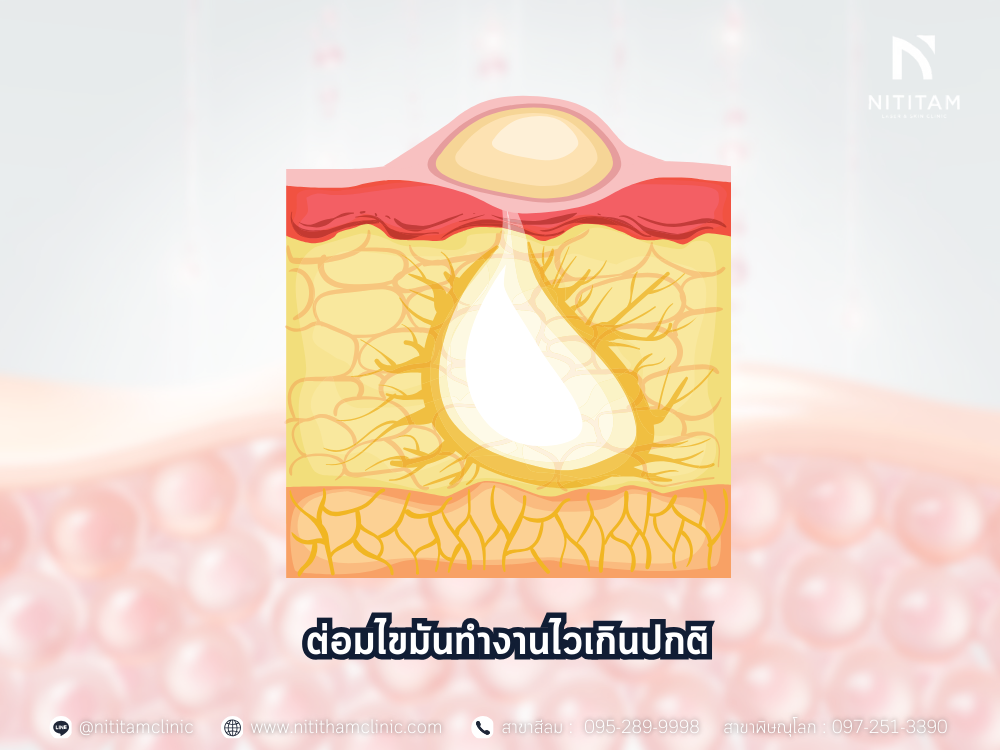
2. Overactive sebaceous glands
Sebaceous glands across different areas of the face do not function at the same level. The T-Zone or areas prone to recurring acne typically have larger sebaceous glands that are more sensitive to hormonal changes. When stimulated by androgens, these glands produce excess sebum, consistently leading to clogged pores in the same locations.
3. Incomplete clearance of clogged pores
In cases of improper acne extraction or treatment, the acne core or the sac may remain underneath the skin. Even if the skin surface appears smooth, residual acne-causing bacteria and sebum can gradually reaccumulate, eventually forming a new pimple in the exact same location.
4. Localized Triggering Behaviors
Sometimes, the cause is not internal but stems from repetitive habits we do unknowingly, such as:
- Resting your chin on your hands Frequently touching your cheeks or chin in the same spot transfers bacteria and dirt into your pores.
- Holding your phone against your cheek Phone screens accumulate dirt and oil. Pressing them against the same area of your face can trigger acne breakouts.
- Pillowcases Repeatedly sleeping on the same side on an unclean pillowcase is a major cause of chronic cheek acne.
5. Bacterial Biofilm
Bacteria C. acnes It has the ability to create a protective shield called a “biofilm” that adheres inside the pores, which may prevent common antibacterial medications from reaching or completely eliminating the bacteria. When the body is weakened or triggered by certain factors, these bacteria will multiply and cause recurring acne in the same area.
Warning signs: From “clogged pores” to “inflammatory acne”
Ignored clogged pores are not just an issue of uneven skin texture; they are a ticking time bomb. If disturbed, such as by improper squeezing or picking, or if the body experiences stress and lack of sleep, white blood cells are triggered to deal with the blockage. This leads to an inflammatory process, turning into inflammatory acne, red bumps, pustules, or cystic acne, which carries the risk of leaving permanent scars and acne pits.
Care and treatment to reduce the cycle of recurring acne
Managing recurring acne in the same spot requires consistency and behavioral adjustments, along with appropriate medical procedures.
1. Self-Skincare (Home Care)
- Double Cleansing If sunscreen or makeup is used, you should wipe it off with cleansing water or oil before washing your face to reduce residue in the pores.
- Gentle skin exfoliation Opt for products containing BHA (Salicylic Acid) or AHA, which help dissolve sebum in pores and remove dead skin cells, reducing the risk of clogged pores.
- Use Vitamin A-based medications (Retinoids) Under the guidance of a doctor or pharmacist to help normalize skin cell turnover and reduce sebaceous gland activity.
2. Medical Treatments
For chronic comedonal acne that repeatedly occurs in the same spot, self-care alone may not be sufficient. Utilizing medical technology and clinical procedures is a comprehensive option to help clear the issue.
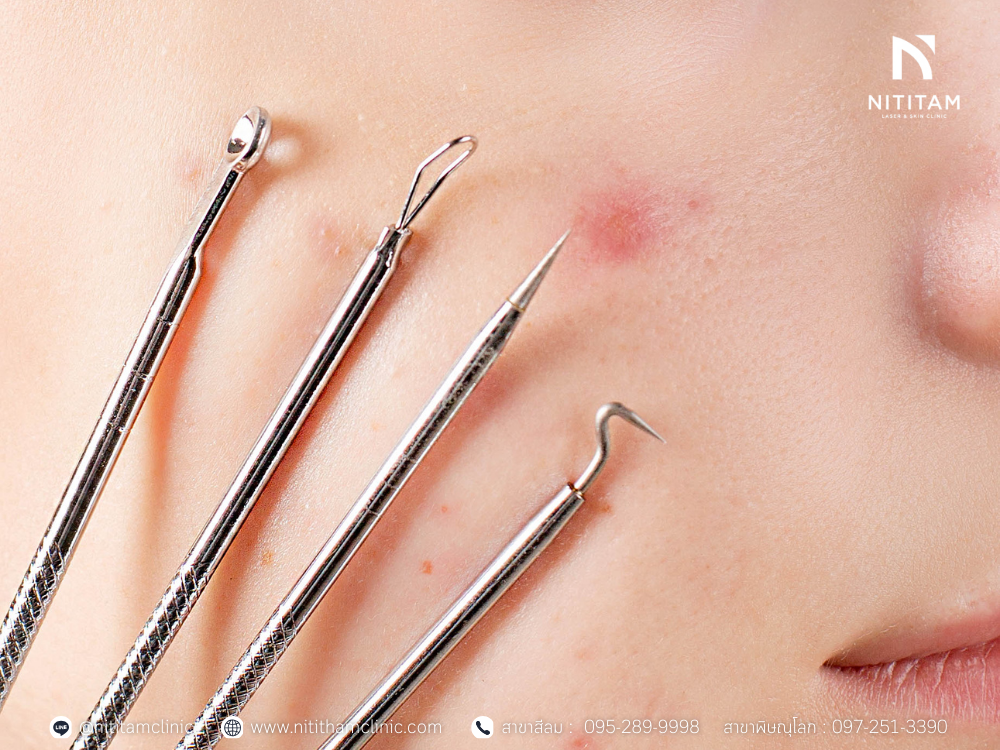
- Medical Acne Extraction Acne extraction helps remove blockages from the pores, but it must be performed correctly. Tools must be clean and sterilized to prevent secondary infections. At Nititham Clinic, we prioritize hygienic procedures and provide close supervision.
- Laser Treatment Plays a crucial role in treating comedonal acne. The laser helps open the pore, making it easier to extract the acne core and sac. This reduces trauma to the surrounding skin compared to traditional extraction methods and helps lower the likelihood of recurrence in the same area.
- Acne Treatment and Skin Rejuvenation Programs Utilizing vitamin infusion devices or treatments designed to reduce inflammation and control excess oil can enhance the overall effectiveness of the treatment. This helps strengthen the skin barrier and reduces the likelihood of new acne formation.
3. Lifestyle Adjustments
- Regularly clean pillowcases, bed sheets, and makeup brushes.
- Avoid touching your face unnecessarily.
- Observe foods that may trigger acne, such as dairy, sweets, or fried foods (effects may vary from person to person).
Recurring clogged pores in the same spot are not a coincidence; they stem from underlying skin structure factors and accumulated habits. Effective treatment requires addressing the root causes, which includes properly extracting the blockages, reducing sebaceous gland activity, and adjusting daily habits.
If you are dealing with persistent acne, unresponsive breakouts, or concerns about spreading inflammation, consulting a doctor for a thorough skin analysis and a personalized treatment plan is highly recommended. This approach helps restore a healthy-looking complexion and reduces long-term concerns.
Nititham Clinic We are ready to provide consultations and care for acne and skin concerns using medical standards, modern equipment, and doctors who pay close attention to every detail. Available at both our Phitsanulok and Bangkok (Silom) branches.
Book a doctor’s consultation or inquire for more information.
Nititham Clinic Phitsanulok
Tel: 097-251-3390
LINE: https://lin.ee/mxQAzch
Facebook: Nititham Clinic
Nititham Clinic Bangkok (Silom)Tel: 095-289-9998
LINE: https://lin.ee/kUu8NAt
Facebook: Nititham Clinic, Silom Branch, BTS Sala Daeng