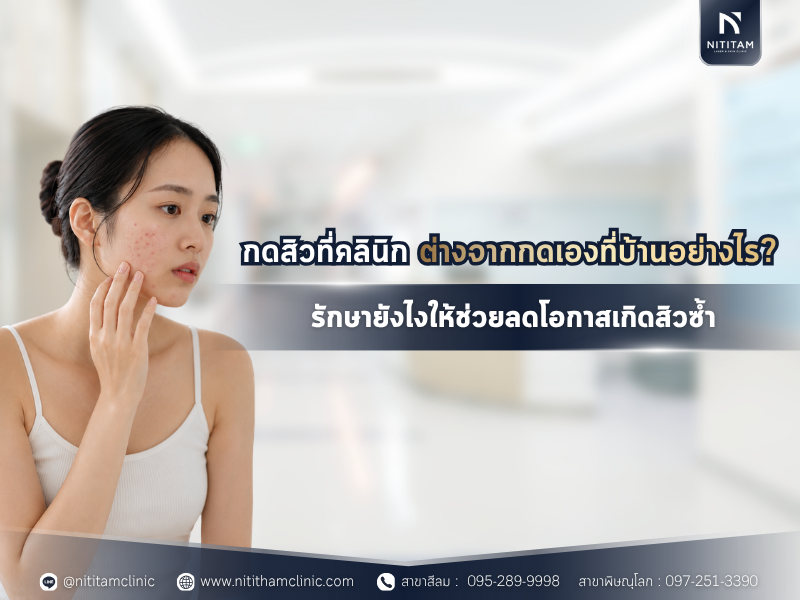
Whether on the cheeks or chin, the acne formation process is the same. It is caused by excess oil trapped in the pores due to blockages from cosmetics or an abnormal thickening of the epidermis.
Therefore, acne can develop on any part of the skin. Oily skin conditions, driven by both genetics and hormones, are contributing factors that make the skin more susceptible to clogged pores.
Inflammatory Acne Formation
Inflammatory acne This occurs when the acne-causing bacteria, C. Acne, breaks down sebum within the pore and rapidly multiplies, leading to inflammation. Therefore, inflammatory acne is the subsequent stage of clogged pores. As a result, inflammatory acne can exist at both superficial and deep levels of the skin.
What causes recurring acne on the chin??
Some individuals experience acne on the chin more frequently than in other areas. This is commonly seen in those with combination skin, who tend to have excess oil in the T-zone. This makes the area more susceptible to clogged pores compared to other parts of the face, leading to frequent breakouts in this region.
Acne on the chin is also frequently associated with hormonal changes during the menstrual cycle, which is a normal condition, or other gynecological abnormalities. If patients experience irregular periods, acne, oily skin, or excessive hair growth, they should consult a gynecologist for further examination.
Chronic acne-like symptoms on the nose and chin can also be found in an acne-like condition called Acne Rosacea. This is a condition with acne-like inflammation, but the inflammation is chronic and involves the dilation of capillaries, causing patients to experience facial redness. This condition requires a different treatment approach compared to typical acne.
Treatment for Cheek Acne / Chin Acne
Acne symptoms may not always be common acne. In addition to common acne (Acne Vulgaris), there are several other skin conditions with acne-like symptoms that require different treatments.
Therefore, patients should consult a doctor for a proper diagnosis and to receive theacne treatmentappropriate treatment.