


Stop Worrying About Urinary Incontinence: Understand the Causes and How to Cope to Regain Your Normal Life
Urinary leakage, also known as “the inability to control urination” is a condition that affects the daily lives of many individuals, particularly the elderly or women who have gone through pregnancy. In some cases, the loss of bladder control can occur in unexpected situations, such as when laughing, coughing, or sneezing, causing discomfort and stress for those experiencing this issue.
Symptoms of Urinary Incontinence
Individuals with urinary incontinence often find themselves experiencing difficulties in controlling urination. The most prominent symptom is the unpredictable leakage of urine. This condition may occur while laughing or during movements that increase intra-abdominal pressure, such as lifting heavy objects or exercising. Additionally, there may be a sudden, uncontrollable urge to urinate, resulting in leakage before reaching the restroom, which can cause significant anxiety.

Urinary incontinence can affect the mental well-being of those experiencing it, especially when it occurs in public or inappropriate situations. This can lead to feelings of embarrassment and the avoidance of social activities, negatively impacting self-esteem and overall quality of life.
Causes of Urinary Incontinence
- Weak pelvic floor muscles It may be caused by childbirth or aging, which can weaken the muscles in this area, making it difficult to control urination as effectively as before.
- Hormonal changes Especially in women experiencing hormonal changes during menopause, which affects the elasticity of muscles and tissues.
- Lifestyle factors Such as frequent heavy lifting or smoking, which can increase the risk of impaired muscle function.
- Related Conditions Certain medical conditions may contribute to this problem, such as diabetes or neurological disorders.
- Excess Body Weight Excess body weight may increase pressure on the bladder and pelvic floor, which can lead to urinary incontinence.

How to Prevent and Manage Urinary Incontinence
Management and prevention can begin with lifestyle modifications, such as exercising to strengthen the pelvic floor muscles, including Kegel exercises which help strengthen the muscles and improve their function. Additionally, avoiding risk factors such as smoking and stress can also help reduce the likelihood of experiencing urinary incontinence.

Treatments for Urinary Incontinence
- Physical Therapy Exercising to strengthen the pelvic floor muscles can help alleviate symptoms to a certain extent.
- Medication Certain types of medication can help strengthen muscles or control bladder function.
- Surgery or laser treatments In cases where other treatments do not yield the desired results, surgery or laser treatments may be considered to help improve urinary continence.
Proper treatment and prevention can effectively reduce urinary incontinence. Consulting a doctor is essential to choose the most suitable method for your health.
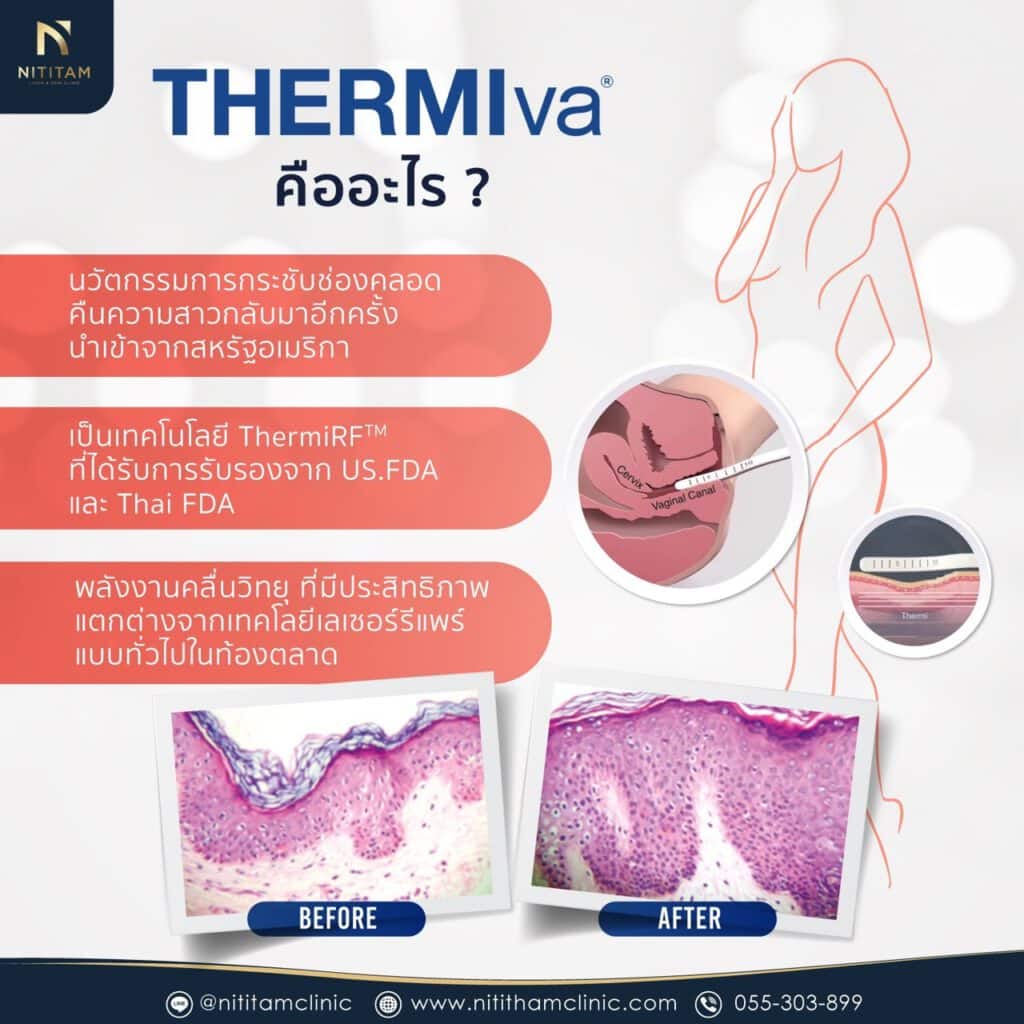
THERMIva: Non-Surgical Treatment for Urinary Incontinence
THERMIva, an innovativeUrinary Incontinence Treatmenttreatment that utilizes thermal energy technology to stimulate collagen production in vaginal tissues without surgery. THERMIva helps enhance the strength and elasticity of the pelvic floor muscles, gradually reducing urinary incontinence symptoms. Patients require no downtime and can resume their normal daily activities immediately, helping to restore your confidence in every step!
Urinary incontinence is a condition that should not be overlooked. Recognizing and understanding its symptoms, causes, and treatment options can help those affected manage the situation more effectively. With lifestyle modifications and appropriate treatments, you can regain a high quality of life.
For more information or to book a consultation with a doctor, please contact:
Nititham Clinic Bangkok (Silom)
Tel: 095-289-9998
Line: @nitithamclinic
Facebook: Nititham ClinicNititham Clinic Phitsanulok
Tel: 055-303899, 097-251-3390
Line: @nitithamclinic
Facebook: Nititham Clinic Phitsanulok