


What Causes Urinary Incontinence? How Can It Be Treated?
Urinary incontinence is a significant concern for many individuals. Being unable to hold urine, or experiencing leaks when coughing, sneezing, or laughing, can be distressing. What causes urinary incontinence, and are there effective treatments available? Let’s explore this today.
First, let’s understand what urinary incontinence actually is.
What is Urinary Incontinence?
Urinary incontinence, or urine leakage, is a condition where one is temporarily unable to hold urine. This can happen when feeling the urge to use the restroom, or in some cases, leakage may occur while coughing, sneezing, or laughing. Urinary incontinence can affect both women and men, but it is most commonly found in women aged 40 and older.
What causes urinary incontinence?
Urinary incontinence can be caused by a variety of factors. Advancing age and various health issues can contribute to this condition, such as:
1. Vaginal or pelvic floor muscle laxity
Vaginal or pelvic floor muscle laxity due to aging, postpartum vaginal laxity, frequent heavy lifting, or being overweight.
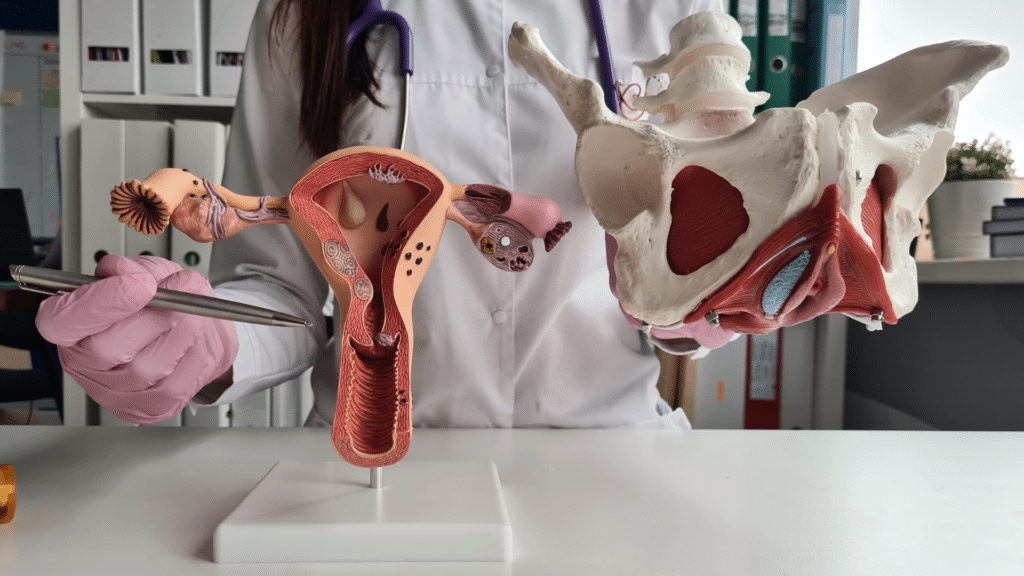
When vaginal or pelvic floor muscle laxity occurs, it causes higher than normal pressure within the abdomen. This pressure pushes against the bladder, leading to urinary incontinence.
2. Nervous system disorders
Nervous system disorders can also contribute to urinary incontinence. When there is an abnormality in the nervous system responsible for body control, the nerves that regulate the contraction and relaxation of the bladder may also become impaired or function abnormally.
3. Aging
As age increases, the pelvic floor muscles and bladder can become lax and undergo changes, causing the bladder to be unable to hold the same volume of urine as before.
4. Decreased Estrogen Production
In postmenopausal women, the body produces less estrogen, which can result in urinary incontinence. Estrogen is a hormone that helps repair and maintain the strength of the bladder. When the body’s production of this hormone decreases, it directly impacts the strength of the urinary system due to insufficient estrogen for adequate tissue restoration.
Solutions for Urinary Incontinence
Many people are looking for ways to treat urinary incontinence or seeking effective solutions for this condition. Today, Nititham Clinic has the answers for you.
Solutions for Urinary Incontinence
1. Weight Management
Maintain a healthy weight to prevent excess fat from pressing against the bladder and to avoid vaginal laxity, which are underlying causes of urinary incontinence.
2. Lifestyle Modifications
Lifestyle modifications can also help. For example, avoid lifting heavy objects to prevent excessive abdominal pressure that could affect the bladder.
3. Vaginal Rejuvenation Laser – THERMIva
Using vaginal rejuvenation laser treatments is another option that can help with urinary incontinence. Vaginal tightening with THERMIva uses radiofrequency energy to stimulate the production of collagen and elastin in the skin and muscle layers. This helps tighten the stimulated muscles and may reduce urinary incontinence issues.
4. Vaginal Tightening Surgery
Undergoing vaginal tightening surgery can help reduce vaginal issues and urinary incontinence. However, this method carries relatively higher risks as it is a surgical procedure, requiring recovery time and proper wound care to prevent infection.
Urinary Incontinence Treatment Phitsanulok – Nititham Clinic
Nititham Clinic Phitsanulok: THERMIva Vaginal Tightening Service Urinary Incontinence Treatment Utilizing modern technology to address the issue directly without surgery or downtime. Experience noticeable improvements after the procedure. Consult with our doctor for a treatment assessment today at Nititham Clinic Phitsanulok.
Contact Us Nititham Clinic
Tel.: 055-303899
Tel.: 097-251-3390 (Hotline)
LINE Official: @nitithamclinic
Facebook: Nititham Clinic