


What Causes Nevus of Ota? Can It Really Be Lightened?
Nevus of Ota is a gray or bluish-brown birthmark on the face that typically appears during childhood or adolescence. Its distinct feature is its dark pigmentation located deep within the skin layers, leading many to wonder if it can truly be lightened. Today, there are treatment options for Nevus of Ota that can yield satisfactory results when combined with proper care.
What is Nevus of Ota?
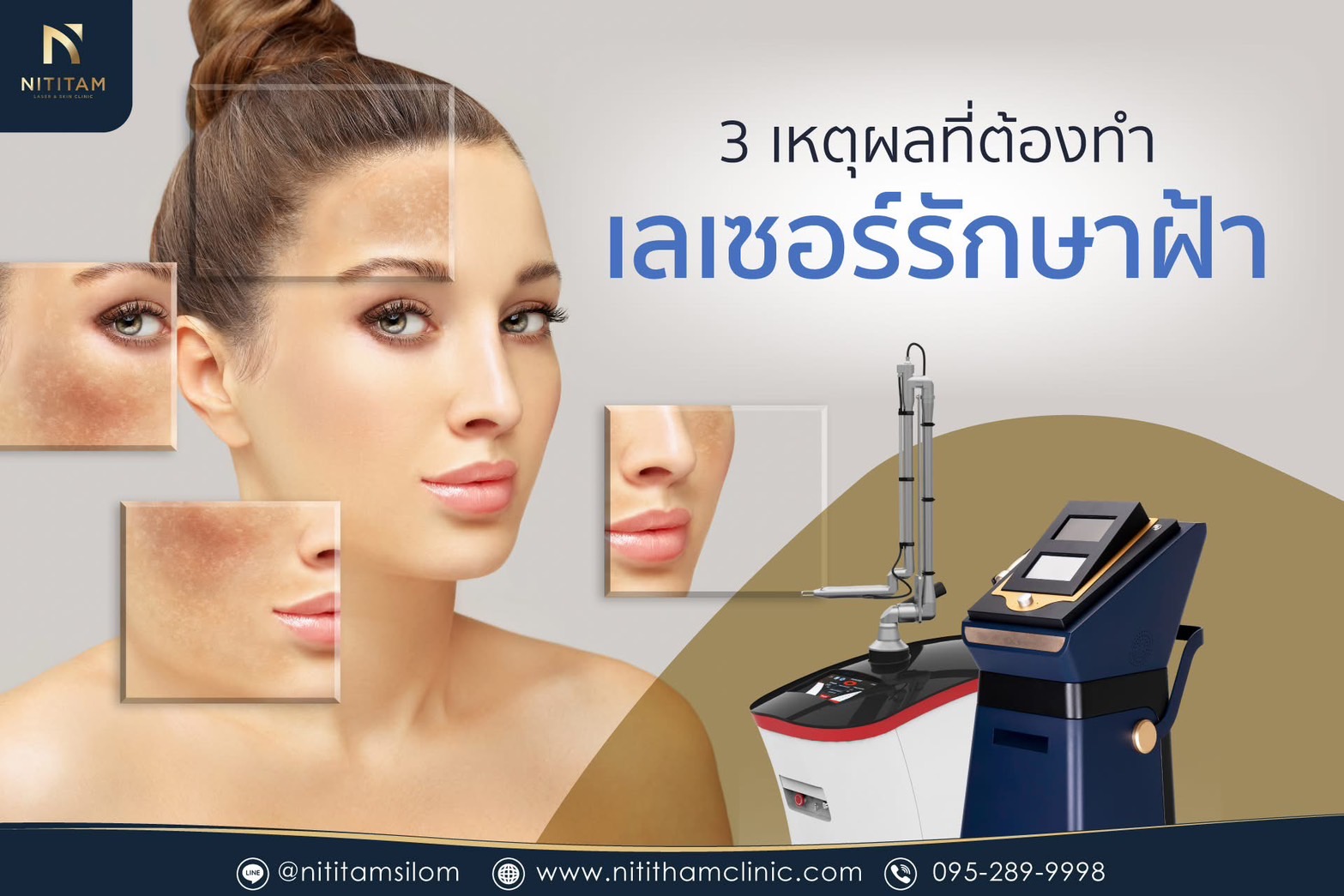
Nevus of Ota is a pigmentation disorder occurring in the deeper layers of the skin, particularly on facial areas such as around the eyes, cheekbones, or forehead. It is caused by melanocytes producing excess melanin in specific locations. While the exact cause remains unclear, it is believed to be linked to genetics or hormonal changes during puberty.

The color of Nevus of Ota can vary from person to person. Some may have dark brown, while others have a purplish or light blue tint, depending on the depth of melanin in the skin. It is generally more common in people of Asian descent, particularly women.
Nevus of Ota Treatment
A popular method is the use of specialized pigment lasers, such as the Q-switched Nd:YAG laser, or lasers capable of penetrating deep into the skin layers where melanin accumulates. The condition cannot be completely resolved in a single session. Continuous treatments are required, depending on the depth and size of the birthmark, as well as individual skin responses.
Generally, noticeable changes begin after about 2–3 sessions, and it may take 5–10 sessions or more in some cases. The interval between each session is approximately 6–8 weeks to minimize skin irritation and allow the skin to recover properly.
Factors Affecting Nevus of Ota Treatment
The results of Nevus of Ota treatment depend on several factors, such as:
- The depth and size of the nevus
- Individual skin tone
- Age and timing of starting treatment
- Consistency in skincare after laser treatment
For some individuals, the birthmark may fade significantly until it is barely visible, while others may still have some residual pigmentation. Starting treatment at a young age generally yields better results than allowing the birthmark to accumulate melanin over a long period.

Post-laser skin care instructions
After laser treatment for Nevus of Ota, the treated area may experience mild redness or swelling. It is recommended to avoid direct sunlight, use gentle skincare products, and protect your skin daily with a suitable sunscreen. Consistent skin care, including sun avoidance and regular sunscreen application, helps reduce the risk of pigment accumulation and supports longer-lasting treatment results.
Although Nevus of Ota is a deep-seated pigmentation issue, its appearance can be effectively lightened using appropriate laser technology combined with consistent care. Treating Nevus of Ota requires an understanding of the birthmark’s characteristics and continuous maintenance to achieve optimal long-term results.
- Nititham Clinic, Phitsanulok Branch Inquiries / Appointments Tel.097-251-3390
- Nititham Clinic, Bangkok Branch (Silom) BTS Sala Daeng Inquiries / Appointments Tel.095-289-9998