


What Causes Keloid Scars? Can They Be Treated?
Post-surgical scars are a concern for many people who want to remove or treat them to restore smooth skin, but they may not know the most effective way to manage these scars. In this article, we will introduce methods for treating/removing surgical scars and treating keloid scars with PicoCareLaser, which helps the skin become naturally smoother.
First, let’s look at what causes keloid scars. Are they caused by poor suturing by the doctor? Or does it depend on wound care?
What Causes Keloid Scars?
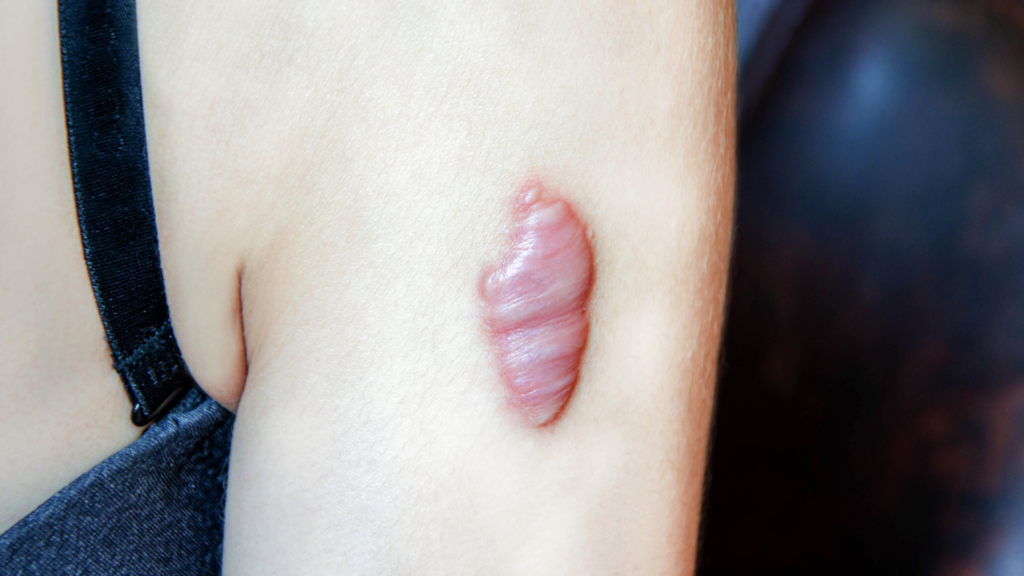
A keloid scar occurs when the body responds abnormally to an injury or surgery, causing an excessive production of new tissue to heal the wound. This tissue extends beyond the original wound’s boundaries. The new tissue appears as a hard, raised bump on the skin, may be red or purple, and can sometimes feel itchy or painful.
Why do some people develop keloids while others do not, even after the same surgery?
The causes of keloid scars go beyond just an abnormal bodily response to a wound. Other contributing factors may include the severity of wound inflammation, wound infection, the location of the injury, or even the patient’s genetics. This is the reason why some people develop keloid scars while others do not.
Can keloid scars be treated?
It can be treated, but only after the keloid scar has already formed. Currently, there is no technology or innovation available to treat the root cause of this abnormality.
Keloid Scar Treatment Methods
Keloid scar treatment requires careful consideration. A medical evaluation of the scar is necessary before starting treatment to determine the most suitable method for the specific area, ensuring safety and minimizing potential side effects.

Keloid Scar Treatment with Medication
For medical treatment of keloids, a doctor will prescribe medication for the patient. These medications work by inhibiting the production of collagen, the protein that causes scars to thicken. When collagen is inhibited, the keloid scar will gradually become smaller and softer. Additionally, the medication helps reduce inflammation and irritation caused by the keloid. The choice of medication depends on the size and severity of the keloid, as well as other factors specific to each patient. Therefore, medical treatment should be under the supervision of a doctor for the patient’s own safety.
Keloid Treatment with Surgery
This method involves surgical removal of abnormal tissue or the keloid scar itself. However, it is important to note that after surgery, keloids may return due to inflammation or infection of the surgical wound. Initially, after surgery, the doctor may use other techniques in combination, such as injections or silicone sheets, to reduce the chance of recurrence and achieve appropriate treatment results.
Keloid Treatment with Silicone Sheets
Treating keloid scars with silicone gel sheets is a popular option because it is relatively safe and convenient to use. The silicone sheet helps reduce scar inflammation, keeps the wound moisturized, and decreases excess collagen production. However, this method is recommended to be started when the wound is still new and has just healed from medical treatment. The treatment process involves using the silicone sheet to compress the wound and reduce internal tension, preventing the scar from becoming raised.
Keloid Scar Treatment with PicoCare Laser
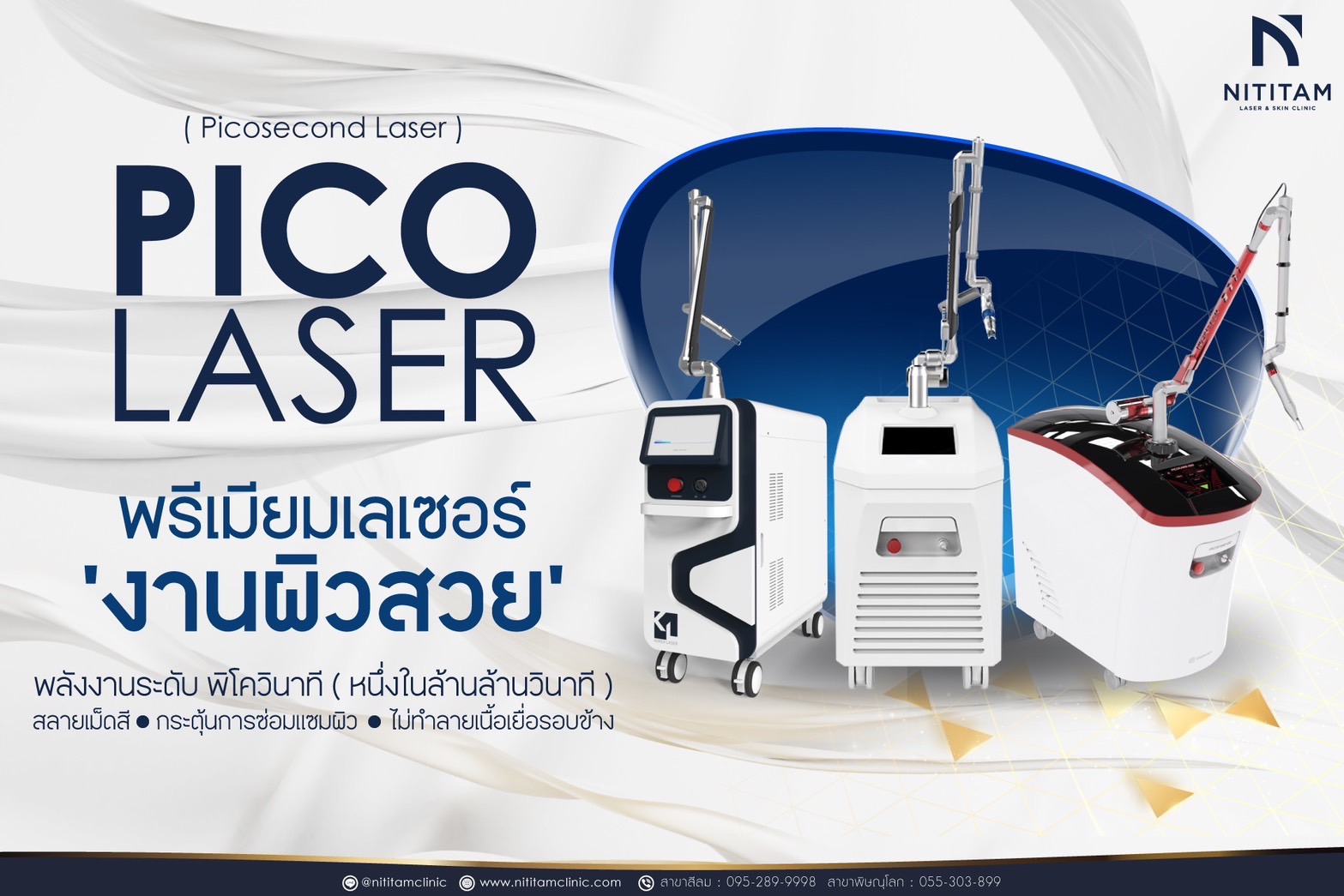
Using the PicoCare laser to treat keloid scars is another popular method, as it can treat both new and long-standing keloids. It is also safe and generally shows faster results compared to other methods. The laser works by delivering energy directly into the skin layers, causing the keloid tissue to break down and dissolve without harming or affecting the surrounding skin.

By now, it is clear that keloid scars can be treated. However, it is recommended to undergo treatment under the supervision of a medical professional for optimal results and patient safety. If you are looking for a clinic to consult aboutKeloid Scar TreatmentWe highly recommend “Nititham Clinic” at both of our branches (Bangkok/Silom and Phitsanulok). We are ready to provide consultations and expert advice from our clinic’s doctors, along with personalized treatment plans tailored to each individual for the best possible outcomes.
For more information or to book a consultation with a doctor, please contact:
Nititham Clinic Phitsanulok
Tel: 055-303899, 097-251-3390
Line: https://lin.ee/mxQAzch
Facebook: Nititham Clinic
Nititham Clinic Bangkok (Silom)
Tel: 095-289-9998
Line: https://lin.ee/kUu8NAt
Facebook: Nititham Clinic