


Dealing with Chronic Comedonal Acne: Should You Continue Using AHA BHA Creams or Consult a Doctor?
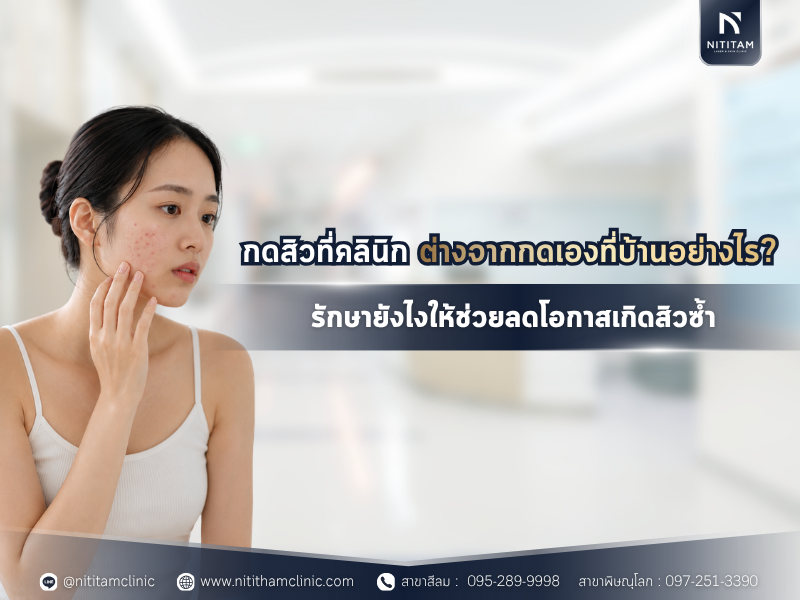
Comedonal acne is a skin concern for many, especially when self-care routines yield no visible changes over time. A common question arises: should you patiently continue using exfoliating products like AHA or BHA, or is it time to seek medical advice? This article explores the mechanisms, limitations, and signs indicating that your skin may require professional medical care.
Understanding the Mechanisms of AHA and BHA
Using chemical exfoliants is a popular initial approach for self-treating acne. Their working principles are as follows:
AHA (Alpha Hydroxy Acids)
A group of water-soluble acids, such as Glycolic Acid or Lactic Acid, that help exfoliate dead skin cells on the surface. They assist in reducing clogged pores and making acne marks appear lighter. Ideal for individuals with superficial clogged pores or those who also experience dry skin.
BHA (Beta Hydroxy Acids)
A group of oil-soluble acids, with Salicylic Acid being the most popular. It can penetrate into the pores to dissolve trapped sebum and help reduce mild inflammation. Therefore, it is often the primary choice for individuals with oily skin and clogged pores.
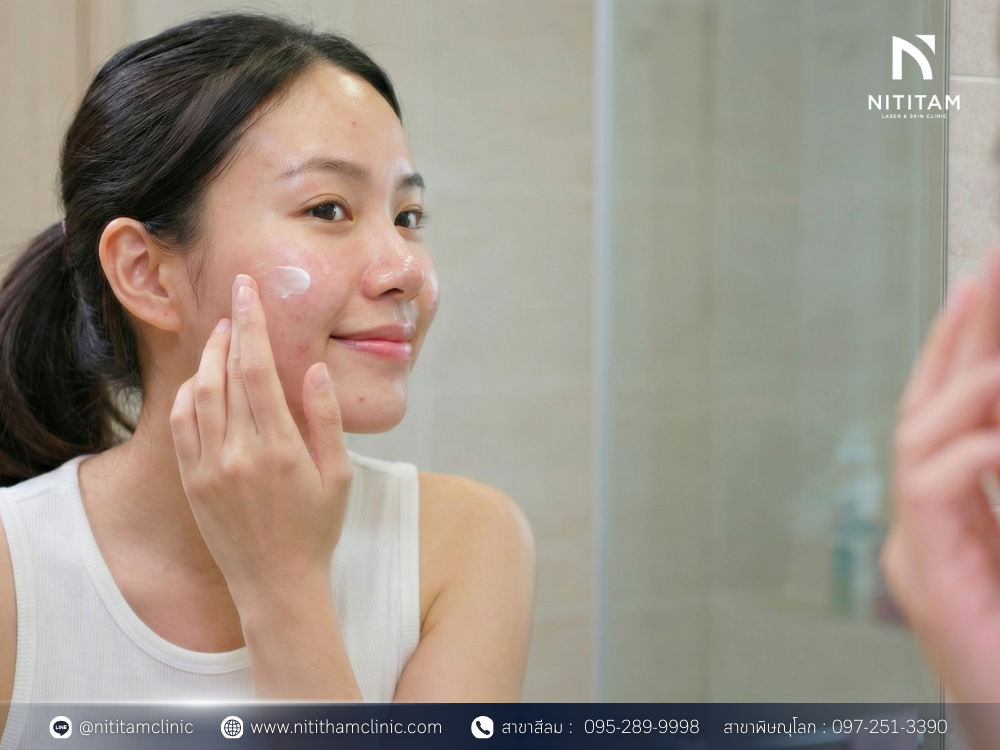
Benefits of Skincare with AHA and BHA
- Widely available and convenient to use.
- Gently exfoliates the skin when used at an appropriate concentration.
- Suitable for individuals with mild comedonal acne and no severe inflammation.
When AHA and BHA Might Not Be Enough
Although exfoliating agents are effective in reducing acne-causing factors, in many cases, they may not be able to completely resolve the issue due to the following factors:
- The severity and depth of acne Some types of comedones are located deep beneath the skin layer, or they are large closed comedones (whiteheads). Applying topical medications or skincare products alone may not be able to completely extract the acne core, resulting in recurring breakouts or developing into inflammatory acne later on.
- Skin Barrier Issues Using AHA or BHA at excessively high concentrations or too frequently can weaken the skin barrier, leading to dryness, peeling, and irritation. This irritation can trigger more acne breakouts or cause severe flare-ups that are not typical skin purging.
- Internal Factors Chronic acne is often caused by hormones, genetics, or stress. Applying topical products alone cannot balance these internal factors; oral medications or other additional treatments may be required.
Warning Signs You Should Consult a Doctor
- Using acne treatment products continuously for more than 8 to 12 weeks without improvement.
- Comedones start developing into inflammatory acne, pustules, or cystic acne.
- Developing dark spots, redness, or early signs of pitted acne scars.
- Facial skin experiences unusual irritation, stinging, redness, or excessive peeling.
- Acne impacts confidence and daily life.
If you have been caring for your skin on your own for a while and still experience these symptoms, consulting a doctor may be an option to help reduce the risk of future scarring and pitted acne scars.
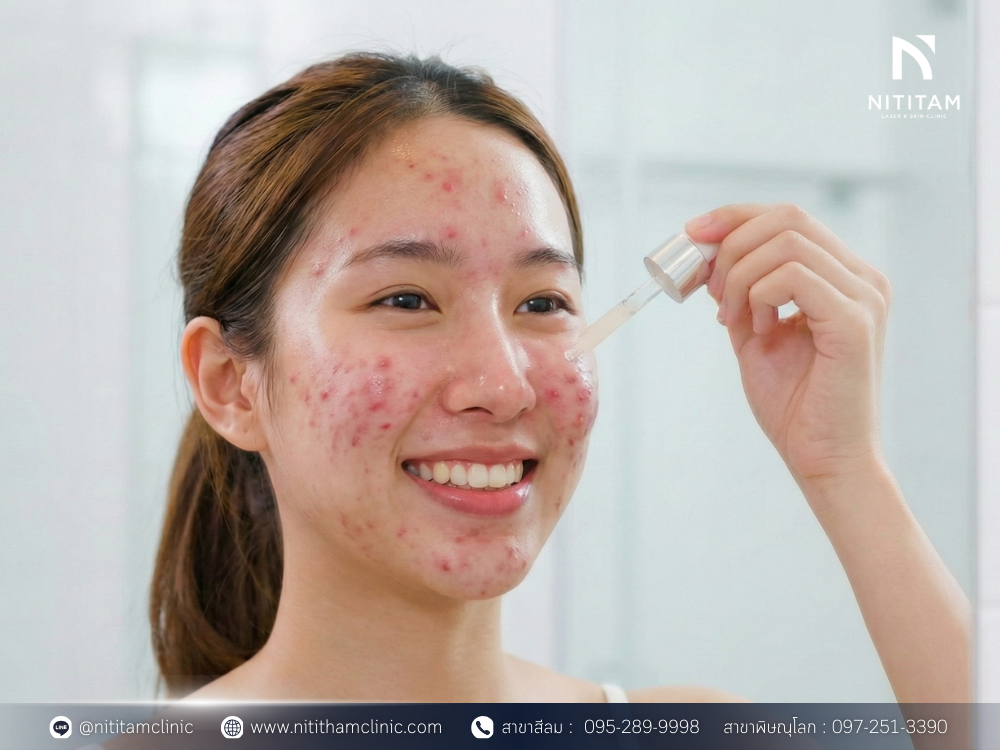
Medical treatment perspectives at Nititham Clinic
Consulting a doctor is not just about prescribing medication, but involves holistic treatment planning to address acne at its root cause and reduce the likelihood of recurrence.
at Nititham ClinicSupervised by Dr. Nititham Rattakasikorn (Medical License No. 37602) Focusing on personalized skin analysis to select the most appropriate and targeted treatments.
Doctor’s Treatment Approach
- Medication and Cosmeceutical Adjustments The doctor may consider prescribing topical retinoids, antibiotics, or hormonal medications as necessary. These treatments offer higher concentrations and efficacy than over-the-counter cosmetics and are administered under close medical supervision to minimize potential side effects.
- Proper Acne Extraction Procedure Acne extraction performed by a medical professional using sterilized instruments helps remove stubborn or deep-seated comedones. This reduces the risk of inflammation and bruising often caused by improper self-extraction.
- Utilizing Technology to Enhance Treatment In some cases, a doctor may recommend laser therapy or treatments to reduce sebaceous gland activity, minimize redness from inflammation, and help restore the skin’s structural integrity.
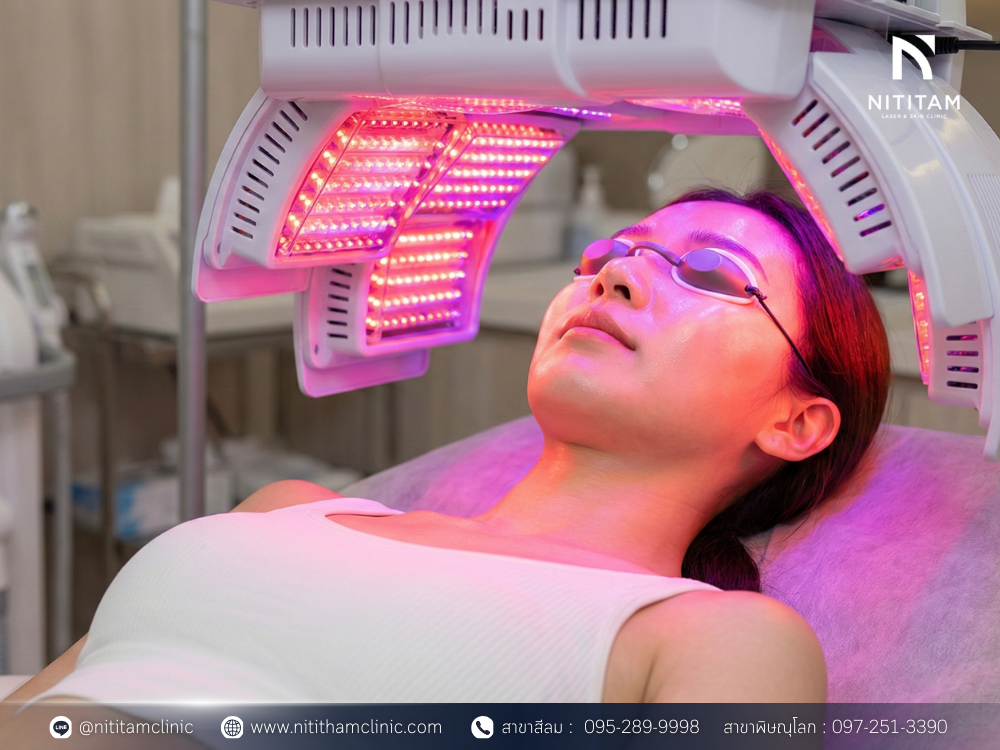
Using AHA and BHA is an effective skincare approach for early-stage and mild comedonal acne. However, if the acne is chronic or if you have concerns about side effects, consulting a doctor will provide you with an accurate diagnosis, targeted treatment, and save you time from trial and error.
If you are concerned about acne problems that have not improved with self-care, you can consult and plan your treatment with Dr. Nititham Rattakasikorn (Medical License No. 37602) at Nititham Clinic, available at both the Phitsanulok and Bangkok branches. We are ready to provide care based on medical standards, focusing on safety and satisfactory outcomes.
Nititham Clinic Phitsanulok
Tel: 097-251-3390
LINE: https://lin.ee/mxQAzch
Facebook: Nititham Clinic
Nititham Clinic Bangkok (Silom)
Tel: 095-289-9998
LINE: https://lin.ee/kUu8NAt
Facebook: Nititham Clinic, Silom Branch, BTS Sala Daeng
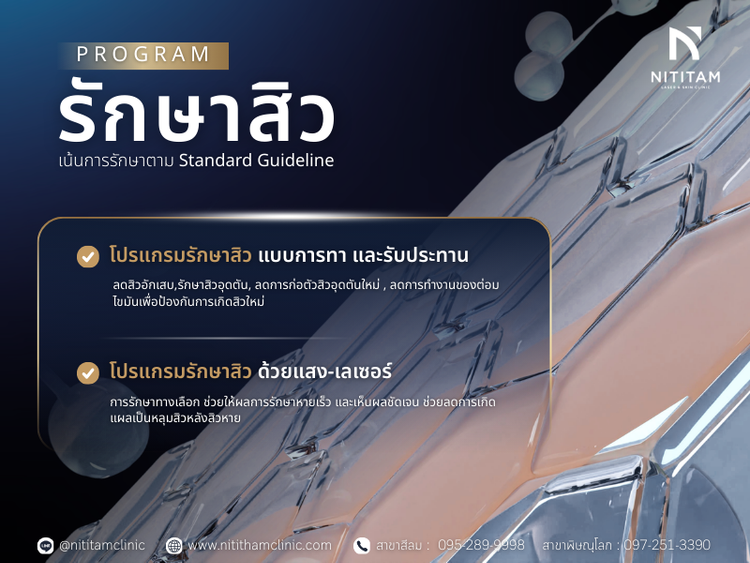
View details of the Acne Treatment Program at Nititham Clinic.
Treatments are performed by doctors according to standard medical guidelines. The treatment plan for each patient is individualized, depending on the severity and cause of the acne, as well as any other co-existing skin conditions.