


Understanding Tattoo Ink Allergies: Causes and Basic Treatments
Many people consider tattoos as a cool and exciting way to express their identity or showcase body art. However, in some cases, individuals may develop an allergic reaction to tattoo ink. What causes a tattoo ink allergy, and how does it occur? This article explains the causes and provides basic treatment guidelines if you or someone close to you experiences these symptoms.
What is a Tattoo Ink Allergy?
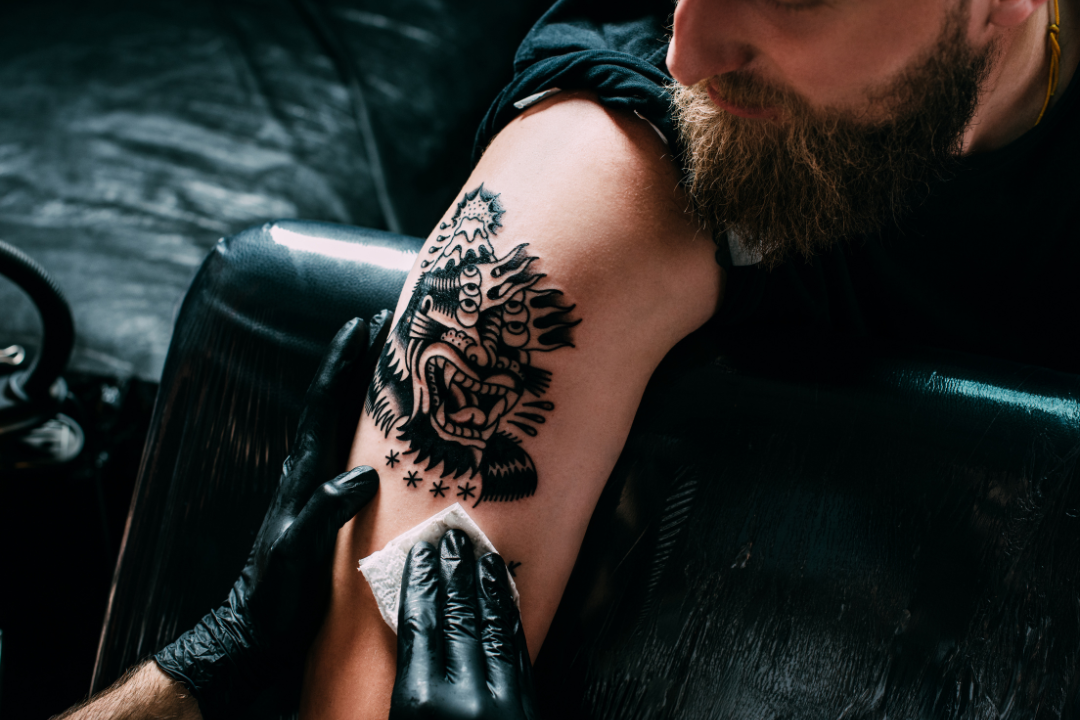
A tattoo ink allergy typically occurs when the body’s immune system reacts to the ink used during the tattooing process. Since tattoo inks contain a mixture of various chemicals, they can sometimes trigger an abnormal immune response. Allergic reactions to tattoo ink can happen immediately after getting a tattoo or may develop later, even after a significant amount of time has passed.
Common Symptoms of Tattoo Ink Allergy
- Itchy rash
- Redness and swelling around the tattoo
- Dry and peeling skin
- Feeling a burning sensation or irritation around the tattooed area.
In severe cases, individuals allergic to tattoo ink may develop blisters or experience deeper swelling within the skin layers, which can lead to pain and further infection.
Causes of Tattoo Ink Allergies
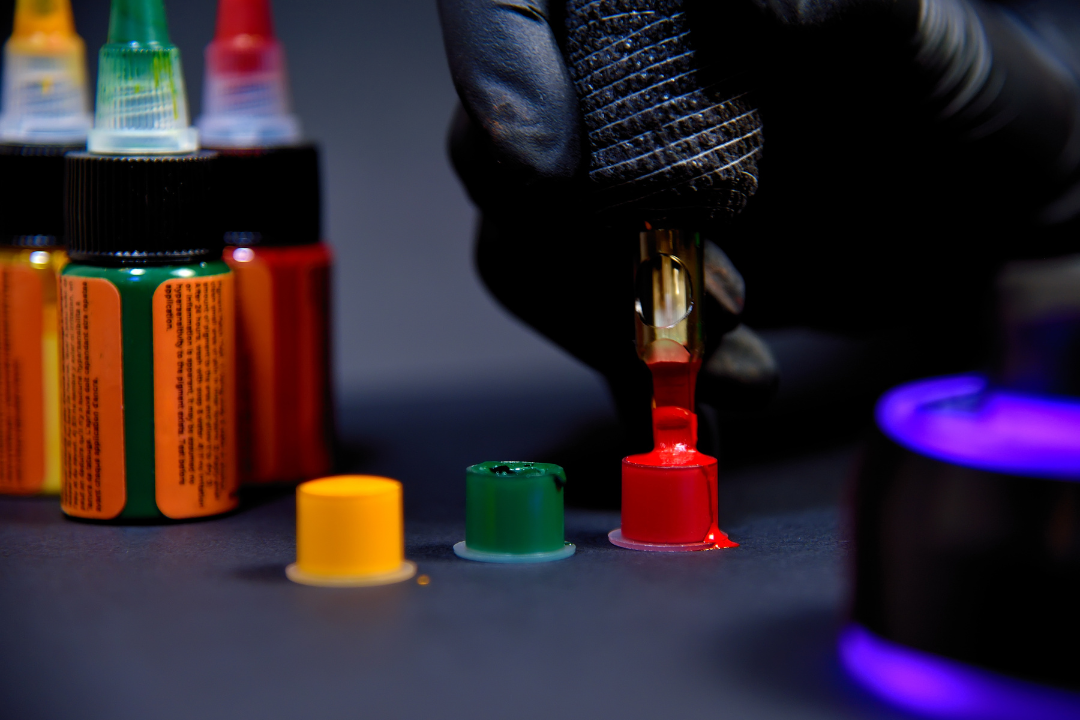
The primary cause of tattoo ink allergies is the chemicals present in the ink. Sometimes, these substances contain heavy metals such as nickel, cobalt, or colorants that trigger an immune system response. Additionally, red and yellow inks are the most common culprits for allergic reactions due to their higher concentrations of heavy metals.
The type of ink used also plays a role. For instance, inks that do not meet safety manufacturing standards may contain chemicals that are more likely to cause skin irritation.

Initial Treatments for Tattoo Ink Allergic Reactions
If you begin to experience an allergic reaction to tattoo ink, it is recommended to consult a dermatologist promptly for an accurate diagnosis. Initial management may include the following:
1. Apply a topical cream with anti-inflammatory properties.
Topical steroid medications can help reduce inflammation and itching. A doctor may prescribe creams or ointments containing these ingredients to relieve symptoms.
2. Avoid scratching and touching the affected area.
Scratching the itchy area may worsen symptoms and increase the risk of infection. It is recommended to keep the area clean and avoid scratching.
3. Apply a cold compress to reduce swelling.
Applying a cold, damp cloth to the swollen and irritated area can help alleviate symptoms and reduce discomfort.

4. Consult a doctor about tattoo removal
In cases of severe allergic reactions or if the allergy cannot be completely cured,Tattoo removalmay be a necessary option. It is recommended to consult a clinic with specific experience in tattoo removal, such as Nititham Clinic Utilizing safe and effective laser technology for tattoo removal. The laser breaks down ink particles within the skin layers without damaging surrounding tissues, helping to reduce the risk of scarring or other complications.
Tattoo ink allergies can occur in anyone who gets a tattoo. The primary cause is the chemicals found in the ink, particularly in red or yellow pigments. Understanding the causes and initial treatments helps in managing the allergic reaction properly. If severe symptoms occur, it is recommended to consult a physician and consider tattoo removal options, such as laser treatments performed by an experienced doctor, ensuring you receive safe and appropriate care.
For more information or to book a consultation with a doctor, please contact:
Nititham Clinic Bangkok (Silom)
Tel: 095-289-9998
Line: @nitithamclinic
Facebook: Nititham Clinic
Nititham Clinic Phitsanulok
Tel: 055-303899, 097-251-3390
Line: @nitithamclinic
Facebook: Nititham Clinic