


Causes of Blistering After Tattoo Removal and Proper Aftercare
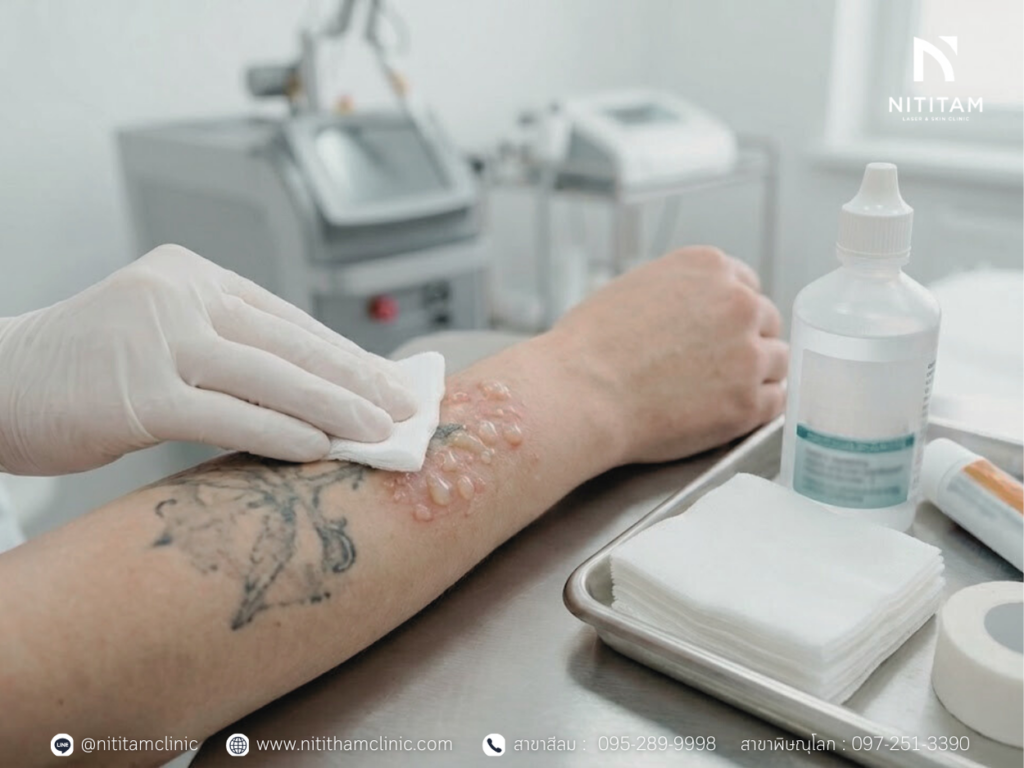
One of the primary concerns for those undergoing tattoo removal is the skin’s reaction after the procedure, particularly the appearance of “blisters” or “clear blisters” (Blisters) Many patients may feel alarmed about the recently laser-treated tattoo area, wondering if these symptoms indicate an infection or a treatment error.
Today, we will provide an in-depth explanation of the medical mechanism behind blistering and the proper care guidelines to ensure your peace of mind during treatment.
How Tattoo Removal Lasers Work and Their Effect on the Skin
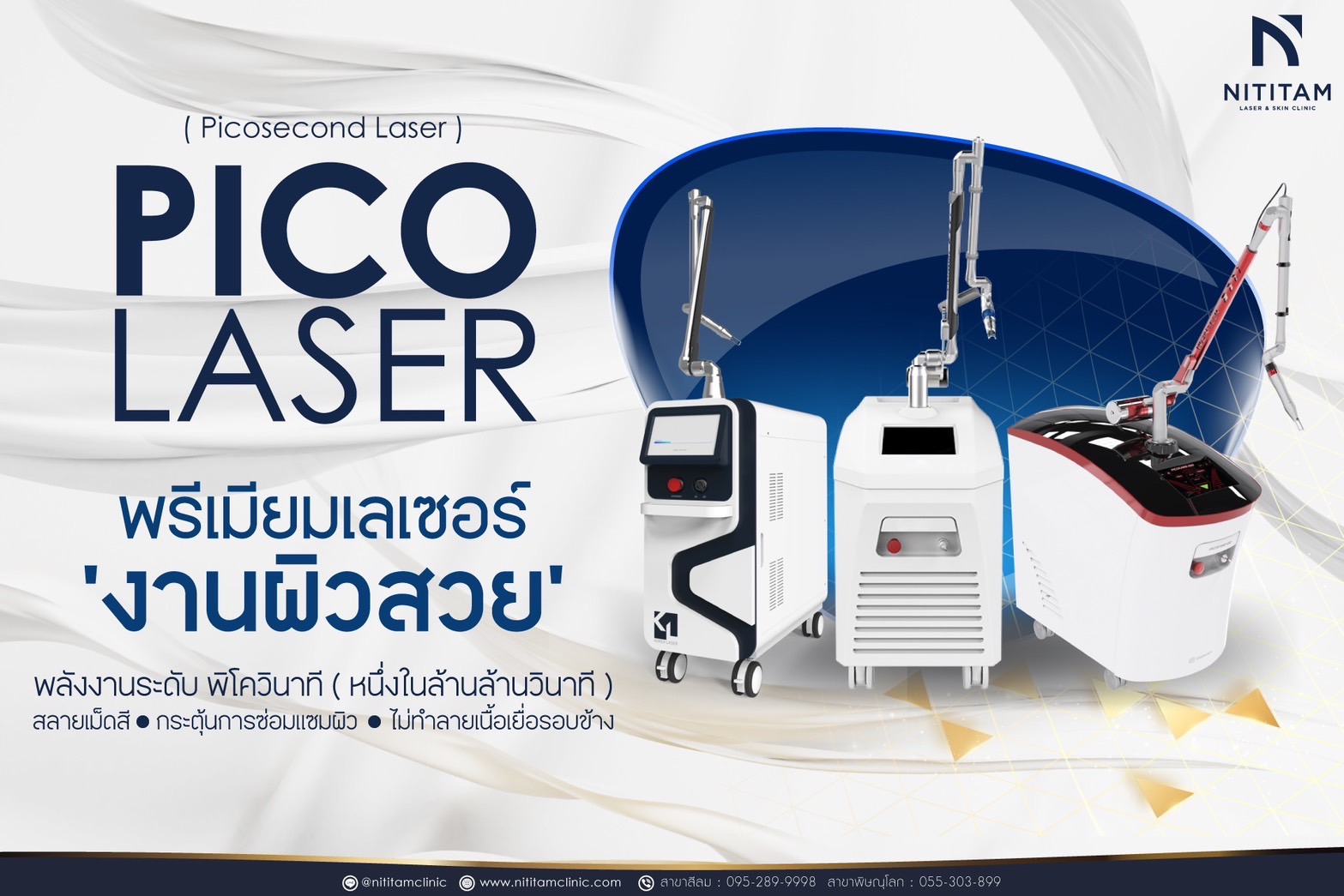
To understand the cause of blistering, it is essential to first understand the principles of tattoo removal lasers. Currently, there are several standard technologies used for pigment removal, such as: Q-Switched Laser or newer technologies such as Pico Laser Nititham Clinic selects equipment that meets international standards.
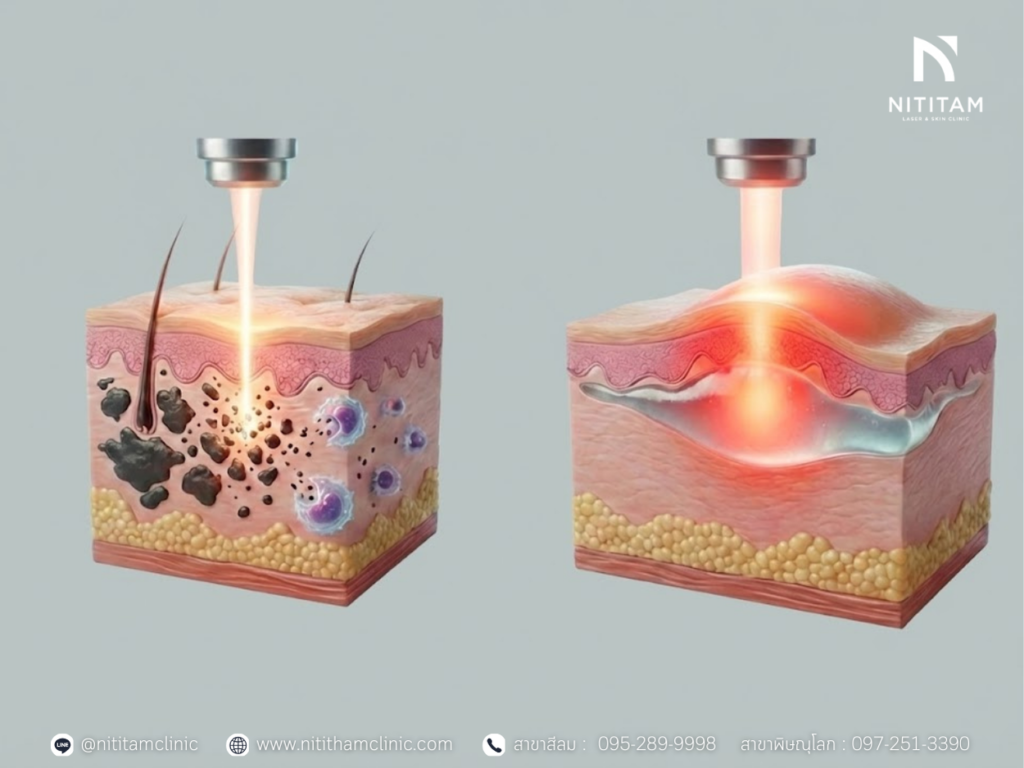
The main principle involves emitting high-intensity light energy beneath the skin layer to break down clumped ink pigments into fine particles, allowing the body to naturally eliminate them through the lymphatic system.
When the laser beam strikes the pigment, two main physical phenomena occur:
- Photoacoustic Effect: A powerful vibration that shatters the pigment particles.
- Photothermal Effect: Heat generated from energy absorption by the pigment.
This accumulated heat beneath the skin layer is a key factor that triggers the body’s response, ultimately leading to the formation of clear blisters later on.
Why Do Blisters Occur After Laser Treatments?
Blisters are not always a sign of infection, but rather The body’s defense mechanism This occurs naturally. When the upper layer of the skin (Epidermis) and the lower layer (Dermis) receive heat energy from pigment breakdown, the body sends lymph and white blood cells to the area to dissipate heat and initiate the tissue repair process.
The main causes of excessive blistering in some cases are as follows:
- Ink density: Dark, dense tattoos or those with multiple needle passes absorb a high amount of laser energy, resulting in higher heat accumulation compared to faded tattoos.
- Tattoo location: Areas with delicate skin or poor blood circulation, such as the forearms, legs, or ankles, are generally more prone to blistering than other areas.
- Individual body response: Each individual’s immune system and skin condition respond differently to heat.
Therefore, the formation of clear blisters is considered a common side effect in the tattoo removal process. It is often a sign that the laser has reacted with the pigment intensely enough to break it down.
Are clear blisters after tattoo removal dangerous?
Typically, these blisters Not dangerous With proper care, a blister acts as a “natural bandage” that protects the underlying soft tissue from external pathogens and helps retain moisture to promote better wound healing.
However, improper care leading to premature popping or using unclean tools to puncture it can lead to complications, such as:
- Bacterial infection
- Delayed wound healing
- Formation of raised scars or keloids
7 Care Steps for Blisters and Clear Fluid Bumps
To help your skin return to a smooth texture and minimize the risk of scarring, we recommend the following aftercare guidelines for laser tattoo removal:
1. Strictly avoid popping or scratching.
The most important rule is “Do not pop blisters yourself.” Popping a blister with an unsterilized needle or scratching it until the skin breaks allows bacteria to enter the wound, which can lead to inflammation and pus formation. If the blister is large enough to interfere with your daily life, you should consult a doctor to have it safely drained using sterile equipment.
2. Apply cold compresses to reduce soreness
During the first 24-48 hours, if you experience soreness or a burning sensation, you can apply a cold pack or ice wrapped in a clean cloth around the wound area (avoid placing it directly on the wound if it is open) for 10-15 minutes at a time to reduce the temperature under the skin and minimize swelling.
3. Keep the area clean
Gently clean the wound with normal saline solution twice a day, morning and evening. Pat dry with a clean gauze pad and avoid rubbing vigorously.
4. Applying Topical Medication
Doctors usually prescribe an antibiotic ointment or an anti-inflammatory cream to be applied thinly over the wound. This helps prevent infection and promotes moist wound healing, which reduces the chance of scarring better than letting the wound dry out immediately.
5. Avoiding Water and Friction
Try to keep the wound away from water for the first 2-3 days or until it starts to dry. If showering is necessary, you may temporarily cover it with a waterproof plaster. Wear loose, breathable cotton clothing to reduce friction against the blister.
6. Avoid activities that cause excessive sweating
Heavy exercise, saunas, or activities that cause excessive sweating should be avoided during the first 3-5 days. Sweat and heat can cause wound irritation and dampness, increasing the risk of infection.
7. Avoid sun exposure
The laser-treated skin will be sensitive to light. Direct sun exposure to the wound should be avoided for at least 2-4 weeks. Once the wound has fully healed, a high-SPF sunscreen should be applied regularly to prevent post-inflammatory hyperpigmentation (PIH).
“Dos” and “Don’ts”
| Dos | Don’ts |
| Strictly apply the prescribed medication. | Pop blisters or pick at scabs |
| Clean the wound with sterile saline solution | Use harsh soaps or apply whitening creams to the wound |
| Wear loose, comfortable clothing | Wearing tight clothing that rubs against the wound |
| Drink plenty of clean water to support the lymphatic system | Drinking alcohol, as it increases blood circulation and delays wound healing |
Warning signs! When to see a doctor
Although blistering is a normal reaction, if you notice any of the following symptoms, please contact the clinic or consult a doctor immediately.
- The blisters become cloudy, thick, or contain yellow/green pus.
- The skin around the tattoo becomes increasingly red, swollen, warm to the touch, and the redness continues to spread.
- Experiencing a high fever or chills.
- Experiencing severe pain that increases rather than subsides over time.
These symptoms may indicate a secondary infection, which requires additional antibiotic treatment under medical supervision.
The formation of clear blisters after tattoo removal is simply a part of the skin’s natural healing process to eliminate pigment. By strictly following aftercare instructions and maintaining proper hygiene, the skin will gradually recover, return to a smooth texture, and the tattoo will fade as intended.
For a tattoo removal consultation or a pre-treatment skin assessment, you can send a photo of your tattoo for preliminary advice or schedule an appointment with our doctor at Nititham Clinic, both branches
Nititham Clinic Phitsanulok
Tel: 097-251-3390
LINE: https://lin.ee/mxQAzch
Facebook: Nititham Clinic
Nititham Clinic Bangkok (Silom)Tel: 095-289-9998
LINE: https://lin.ee/kUu8NAt
Facebook: Nititham Clinic, Silom Branch, BTS Sala Daeng