


10 Steps to Eliminate Acne Bacteria: Root-Cause Acne Treatment for Clear Skin
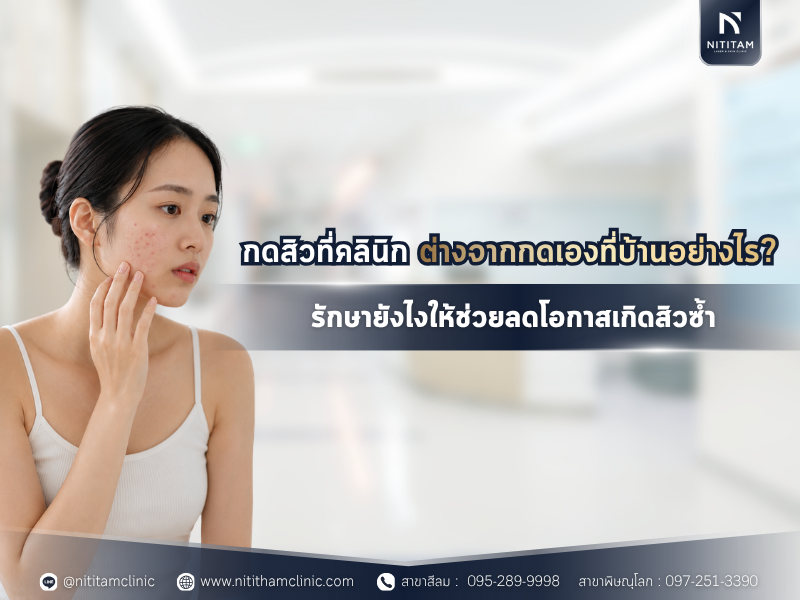
Many people have experienced acne breakouts. Whenever acne appears, it can affect self-confidence, leading to a dull complexion and uneven skin texture. Acne can take a long time to heal and is often painful. For effective acne treatment, it is essential to understand the underlying causes. Managing acne requires addressing the root cause rather than just treating the external symptoms. This article will introduce 10 steps for comprehensive acne treatment at Nititham Clinic, along with skincare techniques to help maintain smooth, clear, and acne-free skin. Let’s explore what these 10 steps entail.
1. Reduce Sebaceous Gland Activity to Control Excess Sebum
One of the primary causes of acne is the overproduction of oil by the sebaceous glands, which leads to clogged pores and breakouts. The approach used at Nititham Clinic to address this issue involves safely and effectively regulating sebaceous gland activity.
For some individuals, a doctor may recommend oral medication to reduce excess oil production in the skin, which is suitable for those with chronic acne. Additionally, sebum-control laser treatments can directly target excess oil production. The laser works deep within the skin layers to help reduce oiliness and the formation of new acne.

2. Medical Treatments to Eliminate Acne Bacteria
P. acnes bacteria is the main factor that triggers inflammatory acne. Eliminating these bacteria is therefore an essential step that should be done alongside regular skincare. There are two main methods: topical medications and acne light therapy.
- Eliminating Acne Bacteria with Topical Medications The doctor will select topical medications containing antibacterial agents, such as benzoyl peroxide or topical antibiotics, to directly kill acne-causing bacteria.
- Silitone Light Therapy to Kill Acne Bacteria This method is a new technology that uses light to safely eliminate bacteria without damaging skin tissue. It is suitable for those with severe inflammatory acne.
3. Professional Acne Extraction
Comedones are a problem many people overlook, but they are actually the starting point of inflammatory acne. Properly clearing clogged pores helps prevent long-term acne breakouts. Therefore, those with comedones should address them early. Clearing clogged pores can be done by using topical exfoliants to open the pores and dissolve the comedones, followed by acne extraction by a medical professional. Doctors use specific techniques to help reduce the risk of inflammation and minimize acne scarring.
4. Prevent new acne breakouts with cosmeceutical products
After acne treatment, preventing new breakouts is very important. Everyone’s skin is different. It is recommended to choose cosmeceutical products that have been tested and are suitable for your skin type. This will help control excess oil, reduce clogged pores, and restore a strong skin barrier.

5. Treat inflammatory acne to reduce swelling quickly and minimize redness
Inflammatory acne often causes redness, swelling, and pain. Treating this type of acne requires specific care to help reduce inflammation and prevent scarring. A method that helps acne subside quickly is a targeted injection. A doctor will inject medication directly into the inflamed acne to help reduce inflammation and redness, followed by a laser treatment called Theraclear. This laser is designed to help reduce inflammatory acne and unclog pores, rapidly decreasing acne inflammation by targeting the root cause.

6. Exfoliate dead skin cells
Post-acne dark spots and redness can cause an uneven skin texture. Skin exfoliation is another step that helps reduce dark spots and acne redness while smoothing the skin. It is recommended to use gentle techniques that help stimulate skin cell renewal, utilizing safe chemical peels or fruit acids tailored to your specific skin type.
7. Moisturize to restore the skin
Even with acne, your skin still requires hydration to restore and maintain its balance. Dehydrated skin is another factor that can trigger acne breakouts. Replenishing skin moisture is an essential part of the treatment process. Nititham Clinic offers nourishing treatments designed to hydrate the skin, helping to strengthen and balance it, which may reduce the risk of future breakouts.
Hydrating your skin can be as simple as choosing the right moisturizer. Opt for non-comedogenic products containing hydrating ingredients like hyaluronic acid. Additionally, consider getting professional nourishing treatments at a clinic to replenish moisture and revitalize your skin for a plump, healthy appearance.
8. Protect Your Skin from Harmful Sun Exposure
Sunlight can cause acne scars and dark spots to become more prominent. Always remember to apply sunscreen regularly, especially if you are frequently exposed to the sun. The ideal sunscreen for oily or acne-prone skin should be non-comedogenic and offer an appropriate SPF level.

9. Lifestyle Adjustments for Healthy Skin
Acne problems are not only caused by external factors but are also related to daily habits. Getting enough rest, drinking more water, and reducing stress all contribute to reducing acne breakouts. You should adjust your lifestyle, take better care of yourself, choose nutritious foods, exercise, and get proper rest. These simple steps can help improve your skin.
10. Continuous Treatment Follow-up
Acne treatment is not just a one-time process. It requires continuous follow-up to adjust the treatment plan according to changing skin conditions. Nititham Clinic offers follow-up services to help ensure the treatment is effective and to tailor the plan to suit everyone’s skin concerns.
Root-cause acne treatment requires knowledge, expertise, and proper self-care. If you are looking for an effective and safe acne solution, Nititham Clinic helps you say goodbye to acne and restores your skin’s confidence.
For more information or to book a consultation with a doctor, please contact:
Nititham Clinic Phitsanulok
Tel: 055-303899, 097-251-3390
Line: https://lin.ee/mxQAzch
Facebook: Nititham Clinic
Nititham Clinic Bangkok (Silom)
Tel: 095-289-9998
Line: https://lin.ee/kUu8NAt
Facebook: Nititham Clinic, Silom Branch (BTS Sala Daeng)