ปรึกษาแพทย์ ทาง LINE

กรุงเทพ & พิษณุโลก นิติธรรมคลินิก

Mon - Tue : 11:00 - 19:00
Thu - Sun : 11:00 - 19:00
Closed on Wednesday

Vitiligo Treatment

If you are experiencing white spots or patches on your skin (Vitiligo), book your appointment to consult with doctor. Contact us on LINE: @nititamclinic

Vitiligo

Vitiligo – What Is It?

Vitiligo is a condition in which the skin loses its pigment, resulting in white patches on the skin.
It occurs due to dysfunction or destruction of melanocytes, the cells responsible for producing melanin.
Vitiligo is not contagious and not life-threatening, but it may affect confidence and quality of life.

Causes of Vitiligo

  • Autoimmune system abnormalities
  • Genetic predisposition
  • Emotional or physical stress
  • Repeated skin injury or irritation
    (Koebner phenomenon)
  • Sun exposure or certain chemical triggers

Symptoms

  • Well-defined white patches on the skin
  • Can appear on the face, hands, feet, or body folds
  • Hair in affected areas may turn white
  • Usually asymptomatic (no pain or itching)

Vitiligo Treatment Options

Treatment focuses on stopping progression and stimulating repigmentation, tailored to each individual.

1. Topical Medications

  • Topical corticosteroids
  • Calcineurin inhibitors
    (e.g. Tacrolimus, Pimecrolimus)

Best for early-stage vitiligo or sensitive areas such as the face

2. Phototherapy

  • Narrowband UVB (NB-UVB)
    Gold-standard treatment with proven safety and efficacy
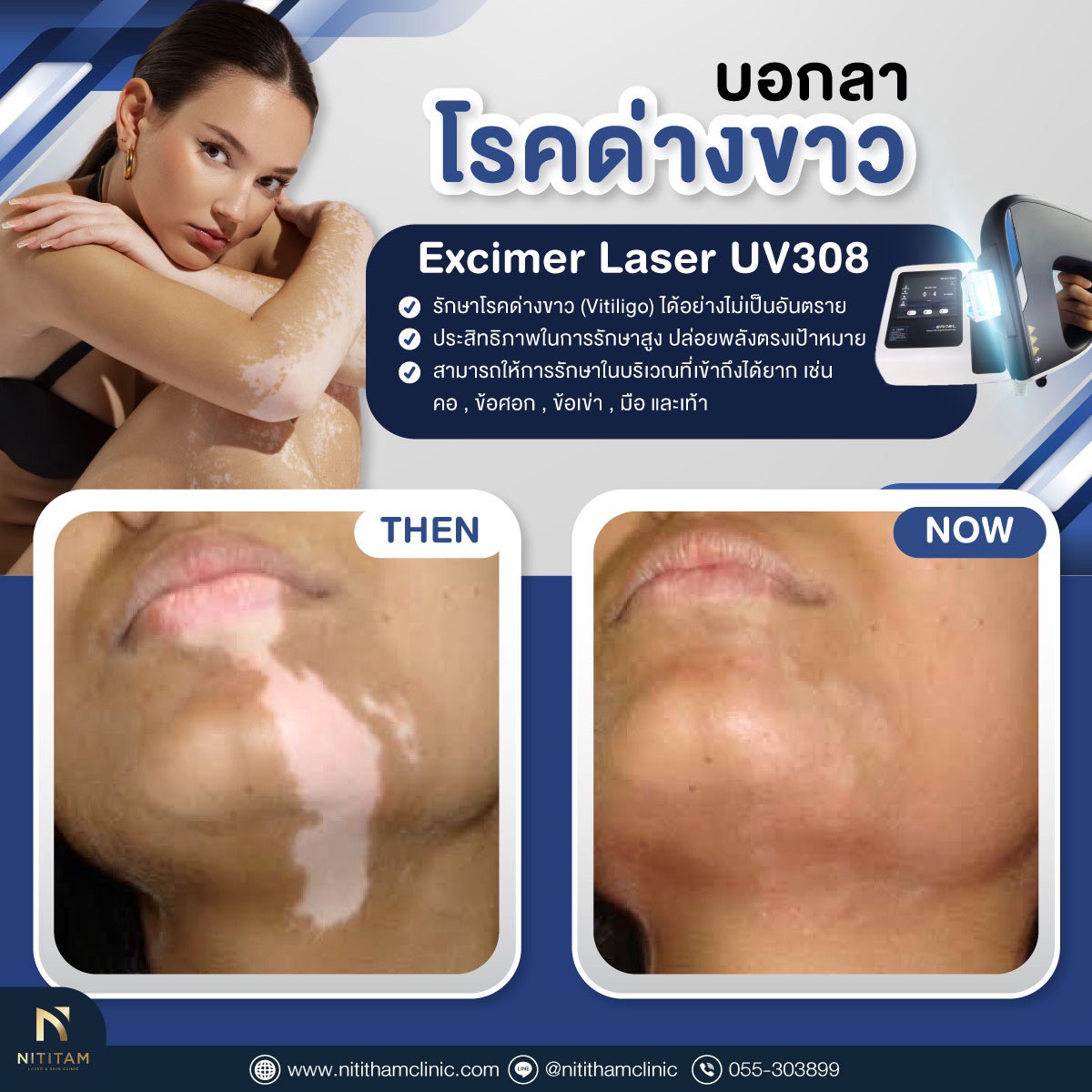
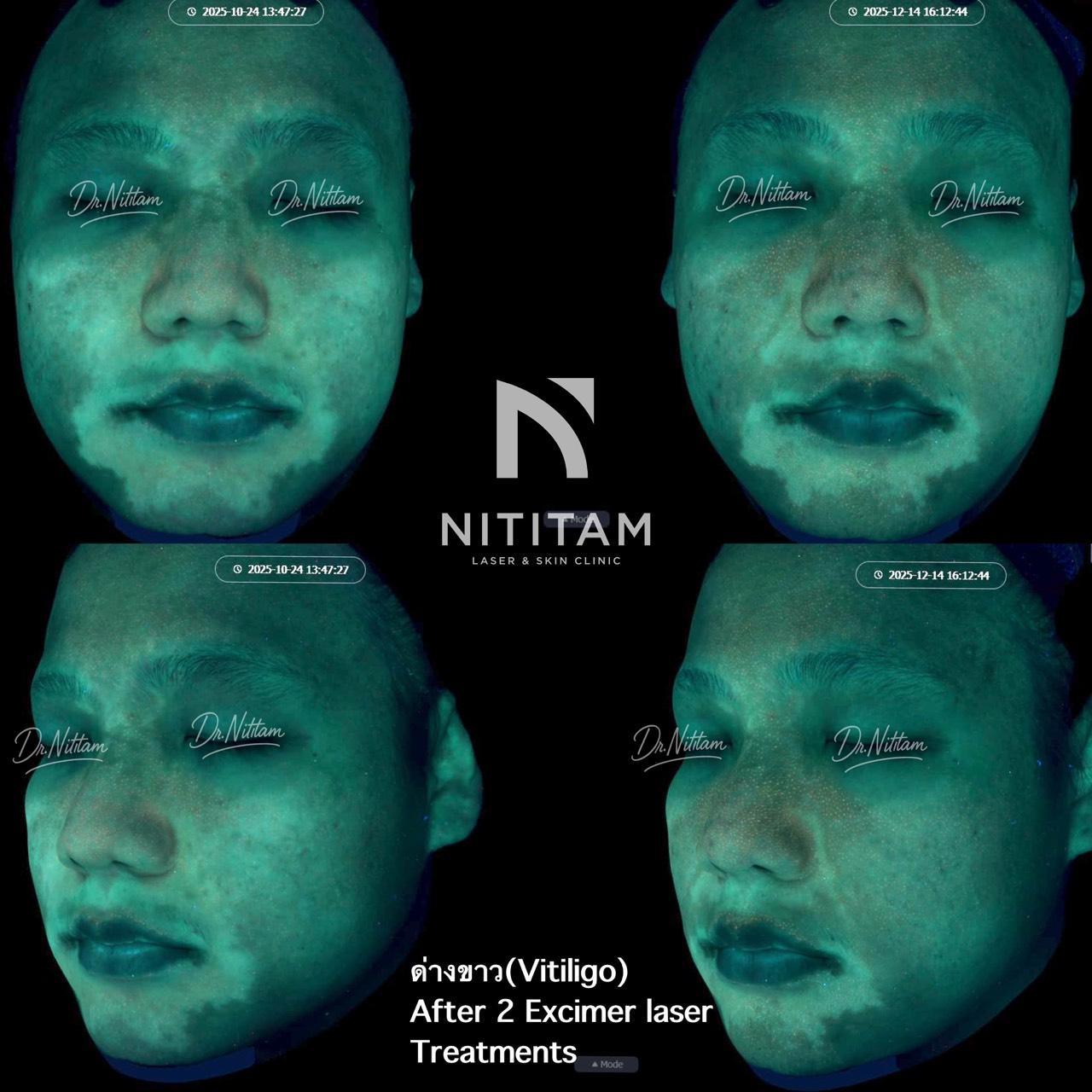
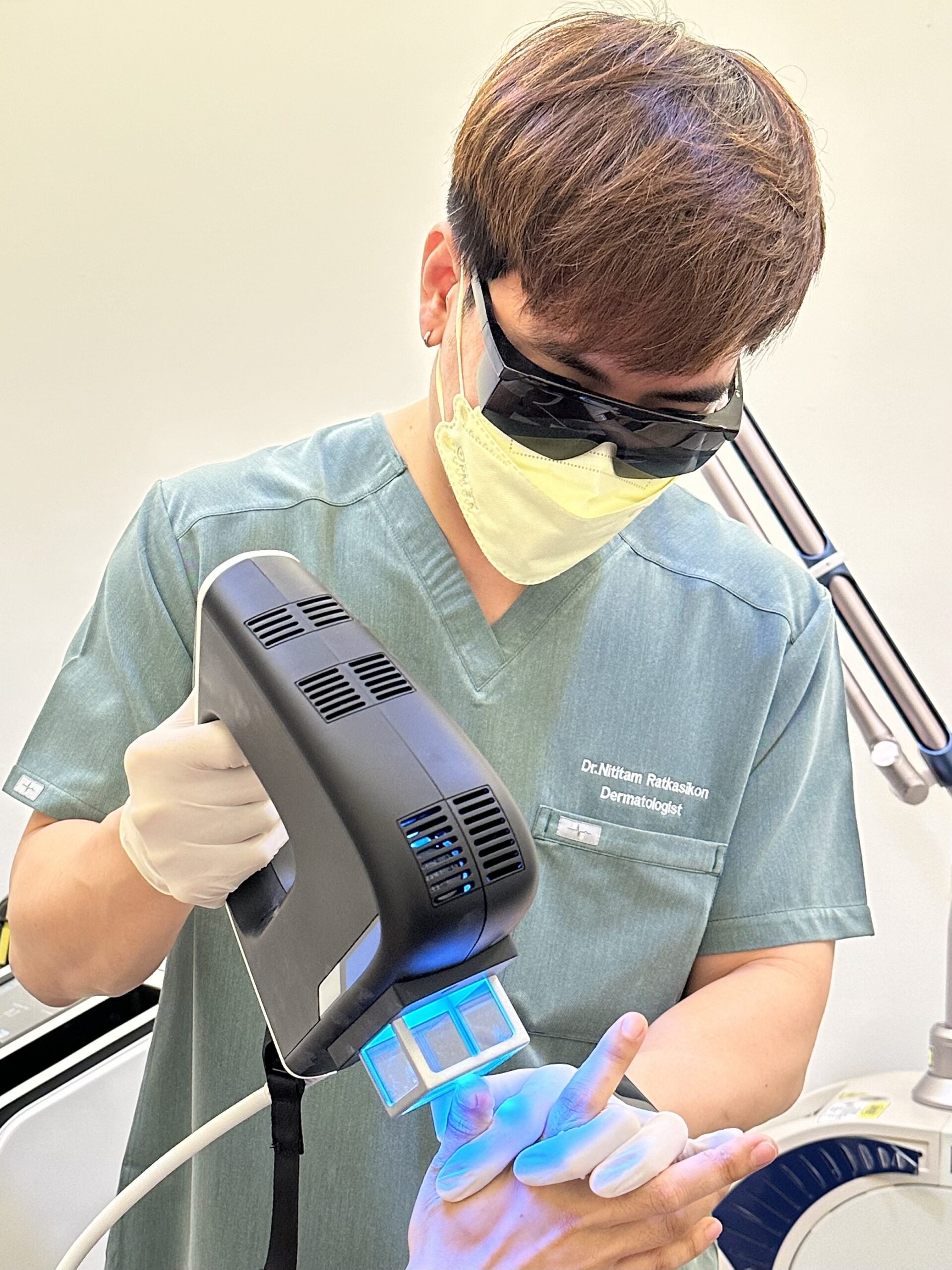
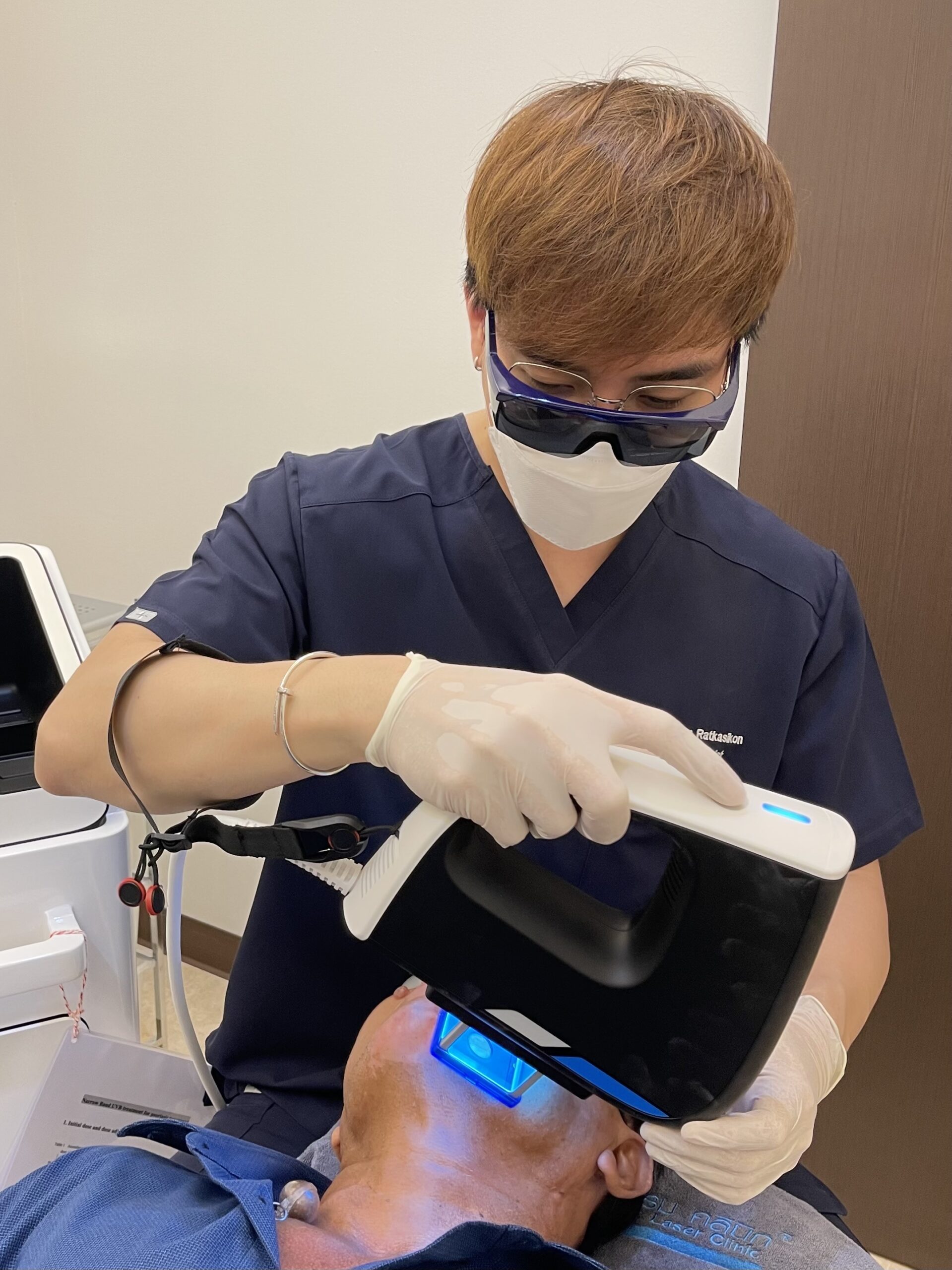
  • Excimer Laser / Excimer Light (308 nm)

Ideal for localized vitiligo with precise energy delivery

3. Laser & Adjunctive Technologies

  • Certain laser technologies help stimulate melanocyte activity
  • Often combined with topical medication and phototherapy
    to enhance treatment outcomes

4. Melanocyte Transplantation (Selected Cases)

  • Suitable for stable vitiligo unresponsive to other treatments
  • Requires careful evaluation by experienced dermatologists

Treatment Expectations

รักษาโรคด่างขาว
  • Requires continuous treatment over several months
  • Results vary among individuals
  • Early treatment improves the chance of repigmentation

Self-Care for Vitiligo Patients

  • Avoid excessive sun exposure and use sunscreen daily
  • Reduce stress and maintain healthy sleep habits
  • Avoid scratching or repeated skin trauma
  • Attend regular follow-up visits with your doctor

Why Treat Vitiligo with a Dermatologist

  • Accurate diagnosis and staging
  • Personalized treatment planning
  • Safe use of medications and light-based therapies
  • Better long-term disease control and outcomes

Key Message

Vitiligo can be treated and controlled.
With proper medical care and consistent treatment, repigmentation and disease stabilization are achievable.